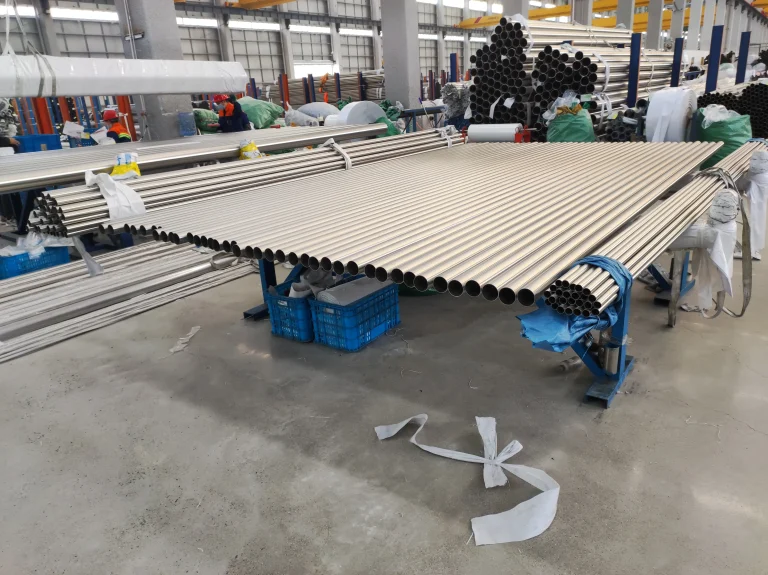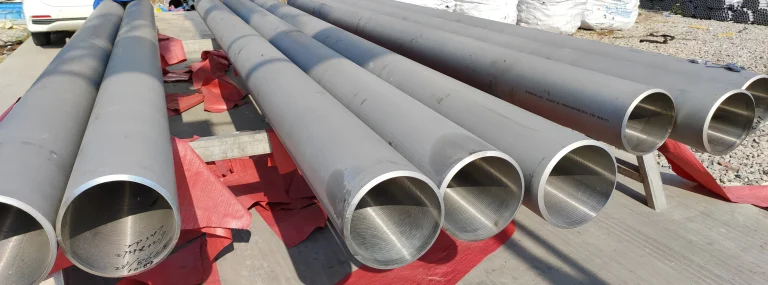
What is Non-destructive Testing of Steel Pipes?
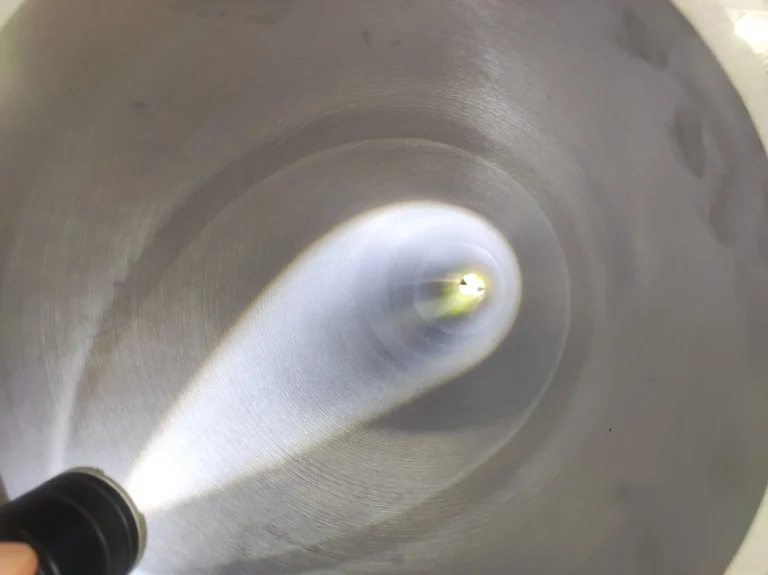
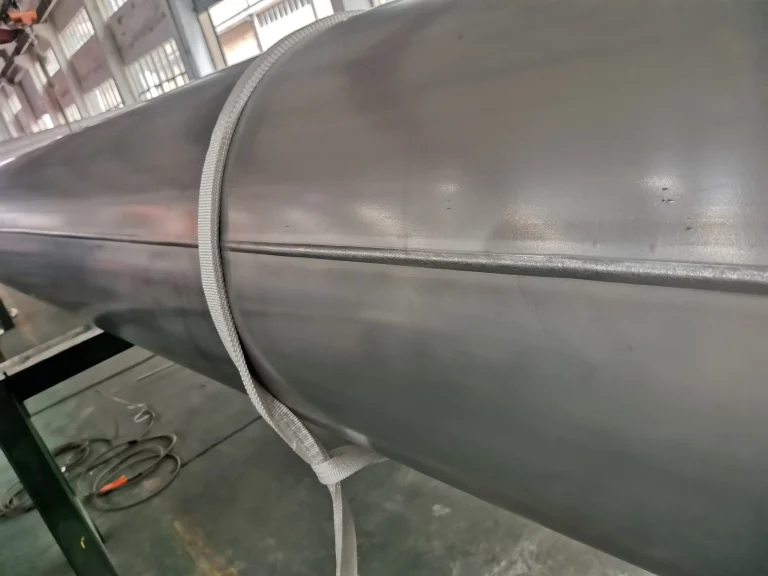
Non-destructive testing (NDT) of steel pipes is a specialized inspection method used to evaluate the structural integrity,physical properties,and manufacturing defects of steel tubes without altering,damaging,or destroying the original product.Unlike destructive testing,NDT allows manufacturers and operators to perform a 100% comprehensive inspection on raw materials,in-line components,and operational pipelines.
Primary Non-destructive Testing Methods
Advantages and Objectives of Non-Destructive Testing
| 100% Inspection Rates | Because the pipes remain fully functional,every single pipe on a production line can be verified,rather than checking just random test samples. |
| Flaw Classification | Identifies the precise location,geometry,depth,and developmental trend of internal or external material anomalies. |
| Process Control | Serves as a real-time quality control system during intermediate manufacturing phases for both seamless and welded pipes. |
| Accident Prevention | Catches microscopic stress cracks and manufacturing inclusions early,averting catastrophic pipeline bursts and structural failures in downstream applications. |
What Non-Destructive Testing Detects
Stainless Tubings Supplier in china
Codes & Standards of Non-Destructive Testing
| API 5L / 5CT | American Petroleum Institute standards that specify NDT requirements for pipeline steel pipes and casing. |
| ASME Section V | American Society of Mechanical Engineers standard,considered the “bible” of non-destructive testing for pressure piping worldwide. |
| ASTM E Series | Standards established by the American Society for Testing and Materials that provide detailed operational guidelines for various non-destructive testing methods. |
| ISO 10893 Series | International Organization for Standardization standards comprising a series of specifications specifically for automated non-destructive testing of steel pipes. |
Certification of Non-Destructive Testing Personnel
The results of non-destructive testing depend heavily on the operator’s experience. Internationally, inspectors are typically classified into three levels:
Level I (Entry Level):
Responsible solely for operating instruments and recording data in accordance with established operating procedures.
Level II (Intermediate Level):
Able to independently calibrate instruments,evaluate test results,and sign off on test reports.
Level III (Advanced Level):
Responsible for drafting operating procedures,selecting testing methods,and resolving complex technical issues.
Advanced Non-Destructive Testing Technologies
With the advancement of Industry 4.0,traditional inspection technologies are evolving toward digital and image-based solutions.Our NDT technologies are also undergoing a transformation toward high-tech solutions.
Phased Array Ultrasonic Testing:
Using a phased array probe,this method electronically controls the angle and focus of the acoustic beam to achieve comprehensive,multi-angle dynamic imaging,with inspection speed and accuracy far exceeding those of traditional single-probe UT.
Time-of-Flight Diffraction:
This method uses diffraction wave signals from the tip of a defect to determine its size and depth,providing extremely precise quantitative measurements of crack depth.It is often used in conjunction with PAUT.
Pulsed Eddy Current:
This technique allows for direct measurement of wall thickness without the need to remove insulation or protective coatings from the pipe’s outer surface,making it a key technology for detecting corrosion under insulation (CUI).
Automated Inspection & AI
Automated Ultrasonic Testing:
During the construction of long-distance pipelines, rail-mounted automated scanning crawlers are used to perform high-speed,standardized ultrasonic scans on all-position welds.
AI-assisted Radiography Interpretation:
Using deep learning-based object detection algorithms,defects such as porosity and cracks in digital radiographic images are automatically marked and classified,significantly reducing the rate of human misinterpretation.
NDT Selection & Applicability Guide
| Method | Target Location | Best for | Material Suitability |
| PAUT | Internal | Cracks, Thinning | Excellent |
| RT | Internal | Porosity, Voids | All Alloys |
| ET | Surface | Cracks, Pitting | Conductive Alloys |
| MPT | Surface | Surface Cracks | Ferromagnetic Only |
| PT | Surface | Open Cracks | All Alloys |
Why can’t Magnetic Particle Testing (MPT) be used on all steel pipes?
MPT relies on magnetism.It only works on ferromagnetic materials like carbon steel.It cannot be used on non-magnetic or weakly magnetic alloys,such as austenitic stainless steel,Inconel, or super duplex stainless steel,because these materials will not create the magnetic leakage fields required to trap the particles.
What is the difference between NDT and Destructive Testing?
NDT evaluates the pipe without altering it,meaning the tested pipe goes directly into service.
DT deforms or destroys a sample slice of the pipe to measure its mechanical limits,meaning the tested piece is scrapped.
How often should in-service steel pipes undergo NDT?
Inspection intervals depend on regulatory codes,the medium being transported,and environmental severity.High-risk lines may require inspection every 1 to 5 years,while low-risk utilities might only be inspected every 10 years or when baseline corrosion monitoring triggers an alert.
Can NDT measure the exact thickness of a pipe coated in insulation?
Yes,using pulsed eddy current (PEC).Traditional ultrasonic testing requires scraping off insulation to touch the steel surface.PEC can induce magnetic fields through thick insulation, fireproofing,or weather jackets,allowing technicians to screen for corrosion under insulation (CUI) without shutting down the plant.
write to us
Have a Question?
Contact Us!
Should you have any questions regarding stainless steel pipes, including manufacturing processes, chemical composition or other unfamiliar matters, our staff will be happy to assist you.