Inconel Pipes

Seamless and Welded
Inconel Pipes SUpplier in China

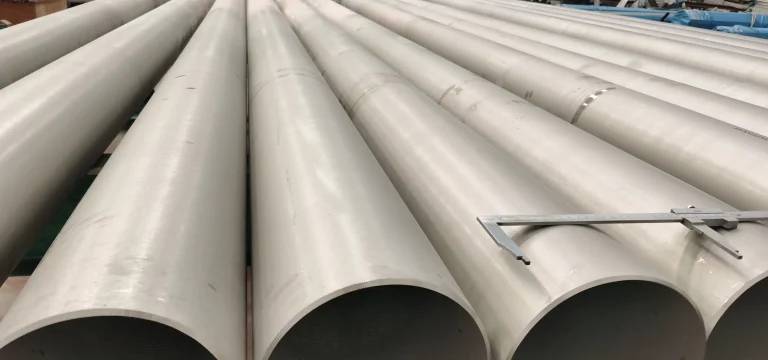
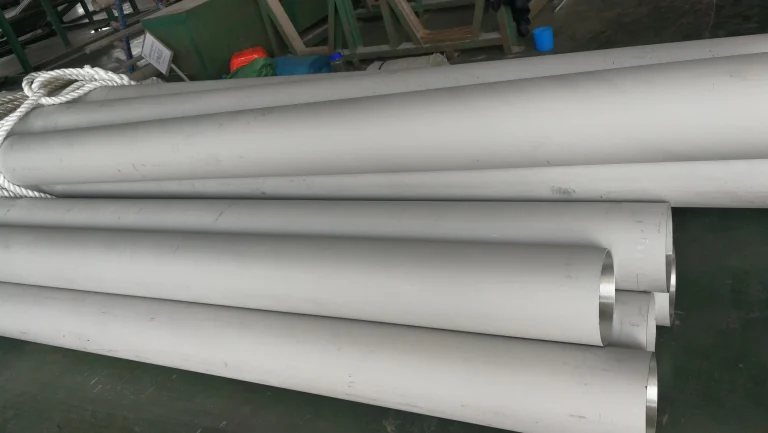
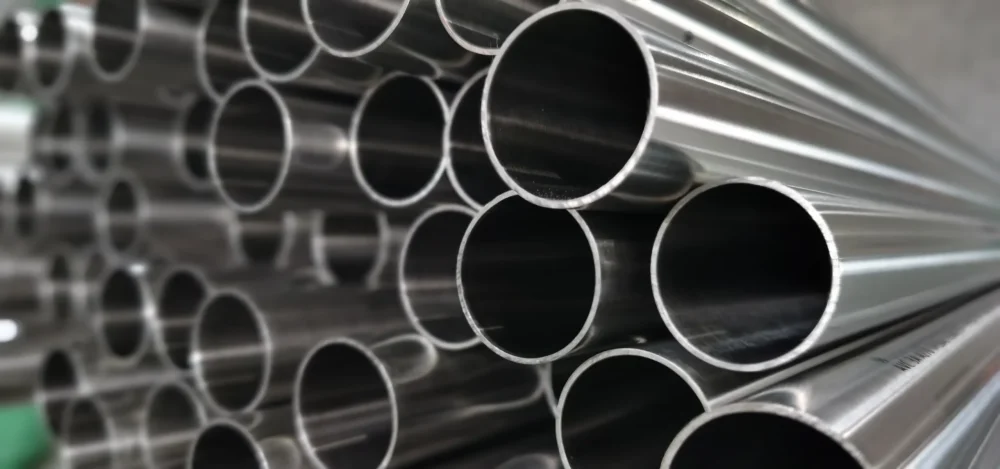
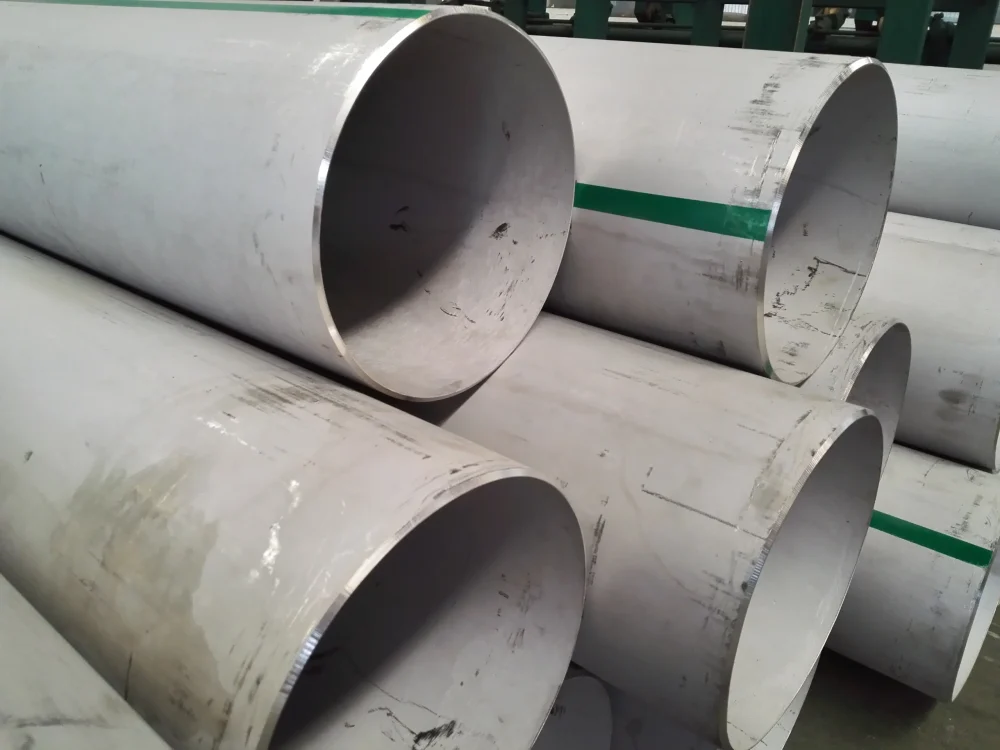
As a leading Inconel pipes supplier in China,we manufacture seamless Inconel pipes ranging from 1/2” to 24” (6 mm to 610 mm) and welded Inconel pipes ranging from 6” to 104” (159 mm to 2800 mm).
Our product range includes, but is not limited to, Inconel 625 pipe, Inconel 600 pipe, Inconel 601 pipe, and Alloy 718 tube.
With flexible and fast delivery times,we leverage our decade of manufacturing experience and state-of-the-art equipment to integrate our products with other piping systems,providing comprehensive solutions.
We welcome small-volume orders and ensure consistent product quality,no matter how small the order.
Feel free to contact us anytime for a free, quick quote. Our staff will be happy to assist you and will respond to your inquiry within two business days.
Welded Inconel 625 Pipes Manufacturer in China
Welded Inconel 601 Pipe Maker in China,in Stock

Inconel Pipes

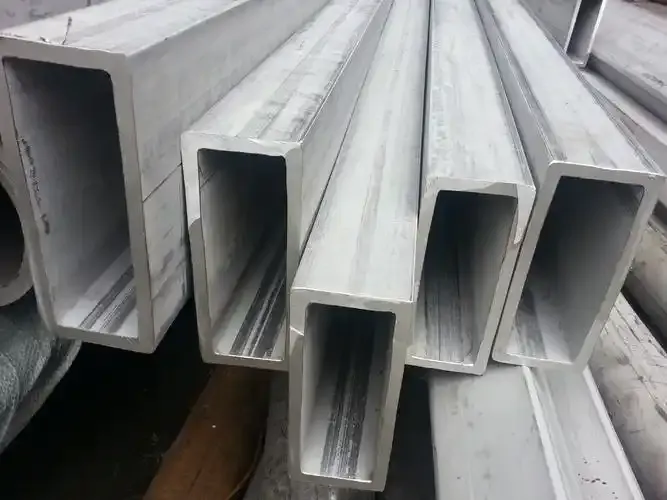
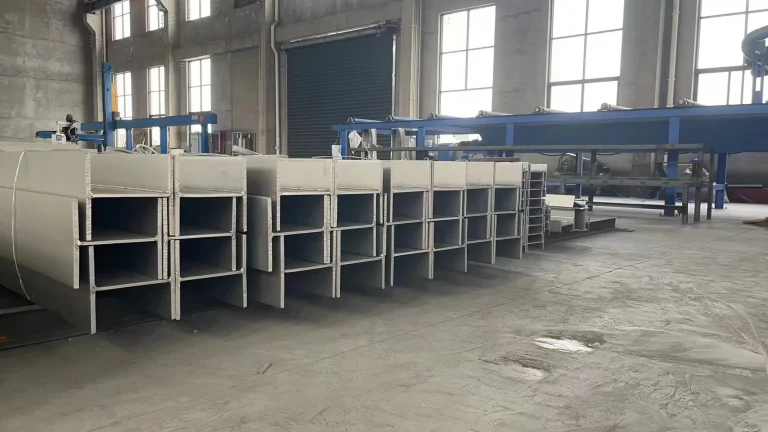
Rectangular Alloy 718 Tube in Stock - Header

Rectangular Alloy 718 Tube

Square Alloy 718 Tube in Stock

Square Alloy 718 Tube

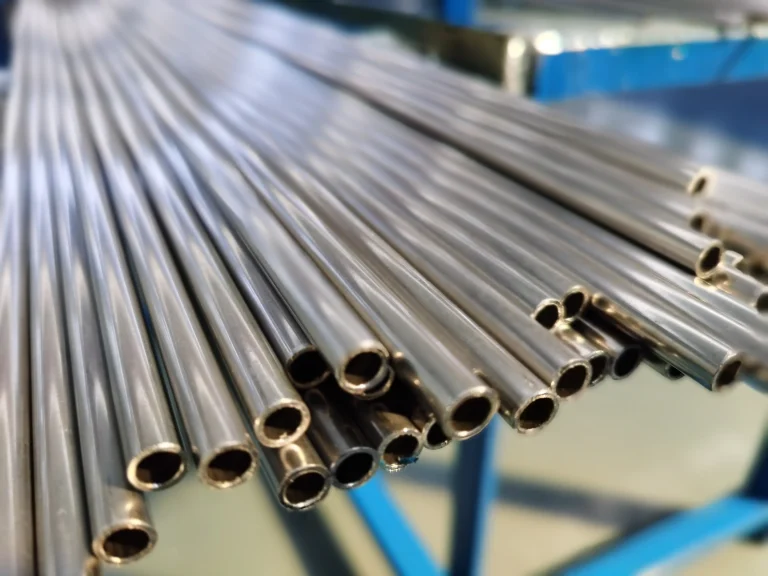
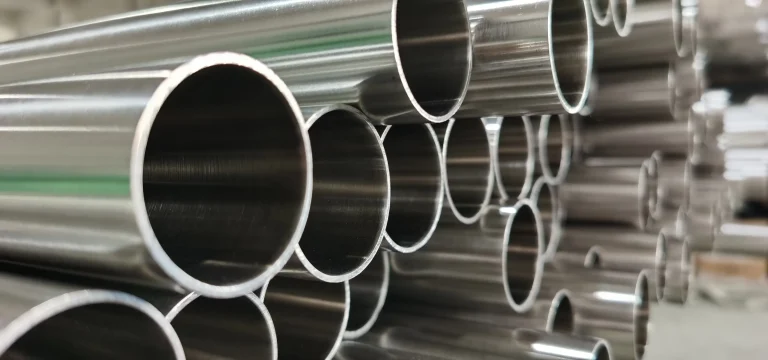
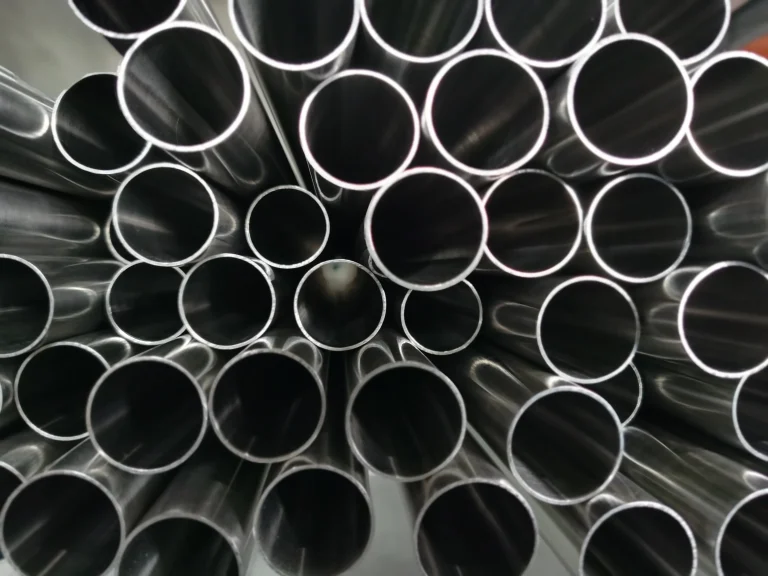
Round Alloy 718 Tube in The Factory

Round Alloy 718 Tube

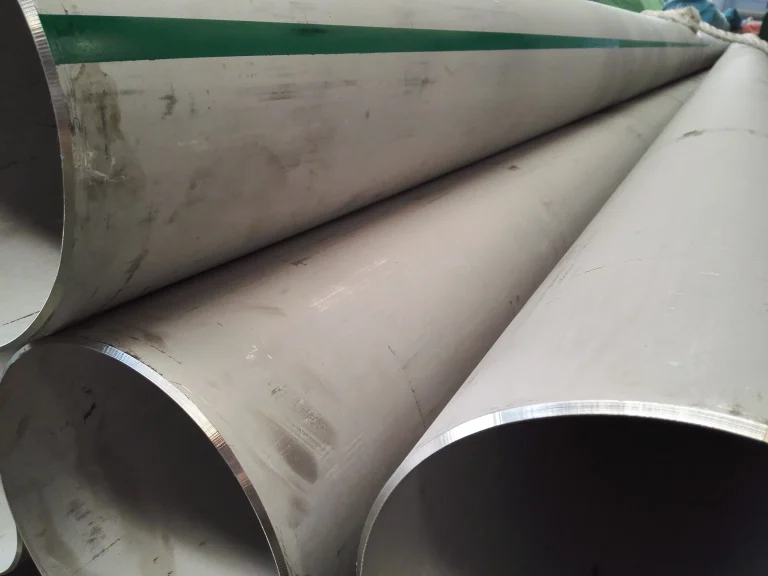
Welded Inconel 601 Pipe

Welded Inconel 601 Pipe

Seamless Inconel 601 Pipes in Stock

Seamless Inconel 601 Pipe

Seamless Inconel 600 Pipe Manufacturer in China

Seamless Inconel 600 Pipe

Welded Inconel 600 Pipe

Welded Inconel 600 Pipe

Welded Inconel 625 Pipe - Header

Welded Inconel 625 Pipe

Seamless Inconel 625 Pipe - Header

Seamless Inconel 625 Pipe

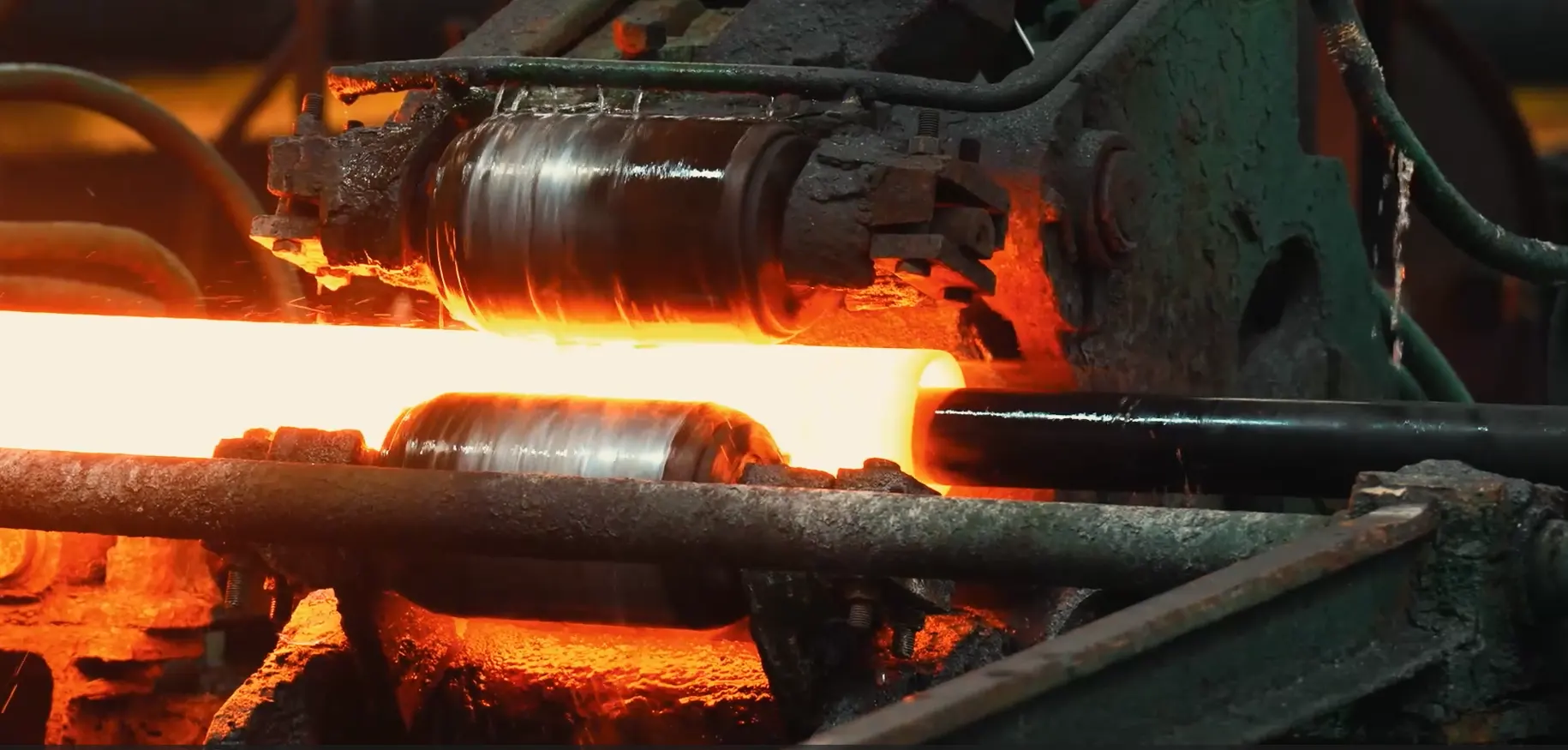
Manufacturing Inconel 625 Pipe - Pipe perforation

Quality Inspection of Inconel Pipes

This is the first step in ensuring that the material “lives up to its name,” and can be accomplished using either spectroscopic analysis or wet chemical analysis.
Spectroscopic Analysis (PMI/XRF):
Using a portable X-ray fluorescence spectrometer (XRF) or an optical emission spectrometer (OES),this method quickly detects the content of key elements such as nickel,chromium,and molybdenum to distinguish between different grades.
Wet Chemical Analysis:
This laboratory-based method uses chemical techniques to obtain the most precise data on elemental composition.

NDT can detect internal or surface defects without damaging the pipe.
Ultrasonic Testing (UT):
Utilizes ultrasonic waves to penetrate the material and detect internal cracks,inclusions,or porosity.
Eddy Current Testing (ET):
Detects surface and near-surface cracks in thin-walled pipes; typically used in automated production lines.
Penetrant Testing (PT):
Involves applying a penetrant to the pipe surface and using capillary action to detect minute surface-opening defects that are difficult to see with the naked eye.
Radiographic Testing (RT):
For welded pipes, X-rays or gamma rays are used to inspect the fusion condition inside the weld.

Verify the strength and toughness of the tubing under load.
Tensile Test:Measure yield strength, tensile strength, and elongation.
Hardness Test:Commonly used methods include the Rockwell and Brinell hardness testers, which verify the effectiveness of heat treatment.
Impact Test:Verify the material’s impact toughness at low temperatures or under dynamic loads.
Processing Performance Tests:
Flattening Test:Flatten a pipe section to a specified distance and observe for cracking.
Flaring Test:Tests the pipe’s cold working deformation capability.

Intergranular Corrosion Testing:
Simulates specific corrosion environments to observe whether grain boundaries are damaged.
Pitting/Crevice Corrosion Testing:
Tests resistance to chloride-ion environments for marine engineering applications.
Metallographic Analysis:
Examines grain size, precipitate phases, and microstructural uniformity using high-power microscopy.

Hydrostatic Test:
The pipe is pressurized to a specified pressure and held at that pressure to ensure there are no leaks and that it can withstand the design pressure.
Dimensional Inspection:
Measure the outside diameter,wall thickness,length,roundness,and bevel angle.

Aerospace Gas Turbines

Used for fuel nozzle lines,combustion liner cooling tubes,and engine exhaust systems.Inconel 718 is the industry standard here due to its high creep-rupture strength at temperatures up to 700°C.

Nuclear Steam Generator Tubing

Crucial for the “heart” of nuclear power plants.Inconel 690 pipes are widely used for heat exchanger tubing because of their superior resistance to primary-side and secondary-side stress corrosion cracking.

Oil & Gas
(Sour Gas Service)

In deep-sea drilling operations where high concentrations of H₂S and CO₂ are present, Inconel 625 pipes are used for downhole casing and production lines to prevent hydrogen-induced cracking and pitting corrosion.

High-Performance Exhaust Systems

In Formula 1 and high-end supercars,Inconel pipes allow for extremely thin-walled designs (saving weight) while withstanding exhaust gas temperatures exceeding 1,000°C without oxidizing or cracking.

Chemical Processing

Used in reactors and piping systems handling highly corrosive media like sulfuric acid,hydrochloric acid,and dry chlorine.It outperforms stainless steel in environments where chloride-ion stress corrosion occurs.

Waste-to-Energy Boilers

Inconel tubing (often as cladding or superheater tubes) is essential in municipal waste incinerators to resist the severe high-temperature gaseous corrosion caused by chlorides in the flue gas.

write to us

Have a Question?
Contact Us!

Should you have any questions regarding stainless steel pipes & tubings, including manufacturing processes, chemical composition or other unfamiliar matters, our staff will be happy to assist you.