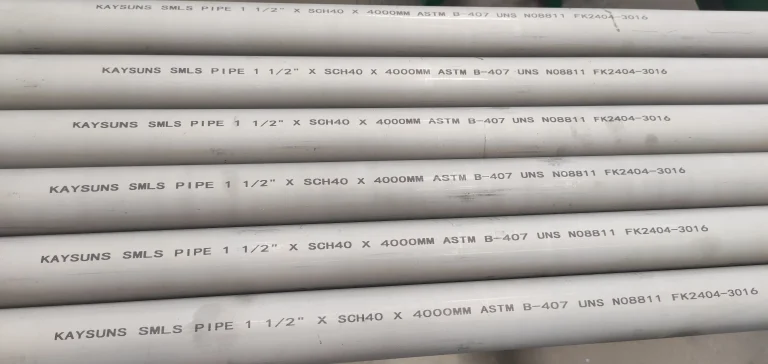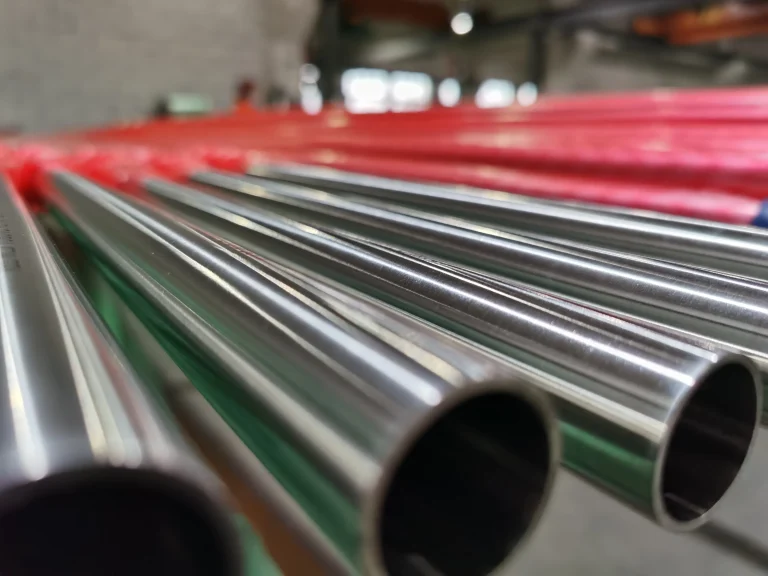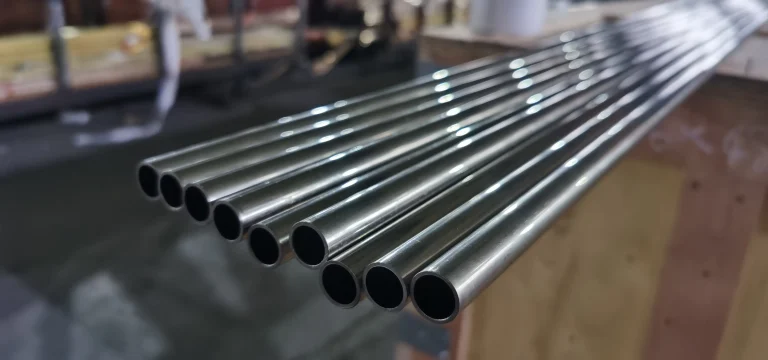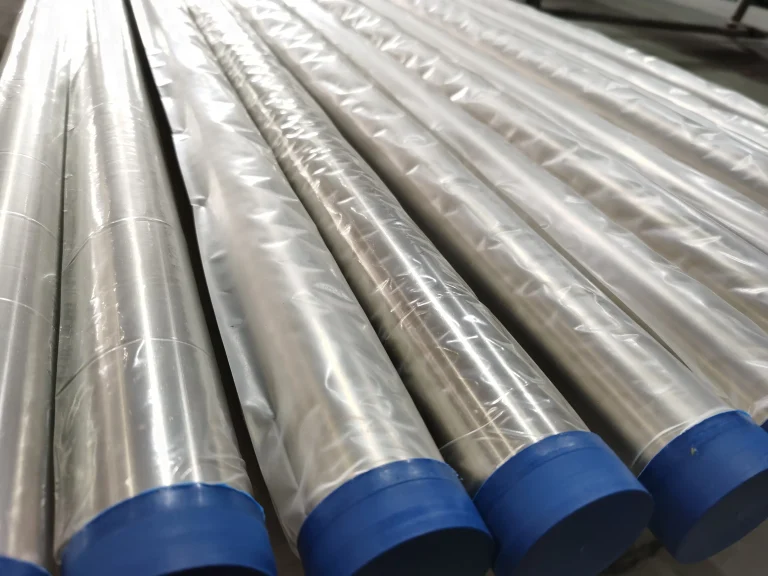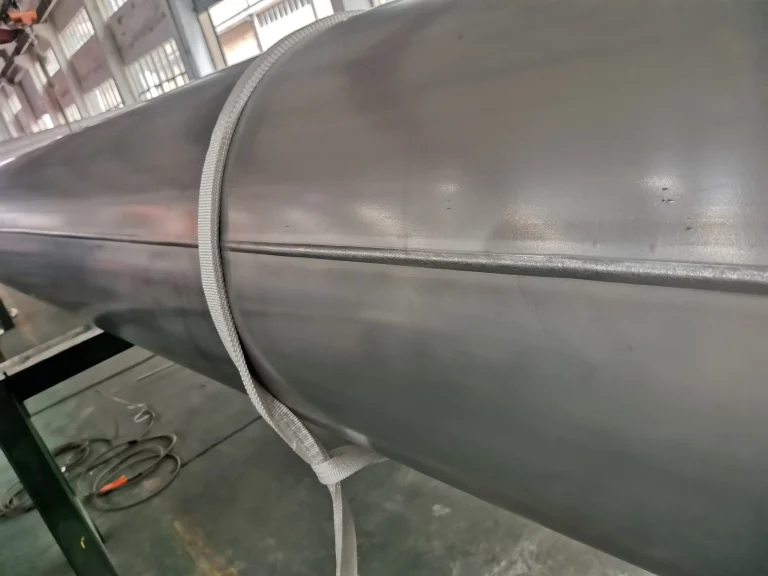
We build efficient,seamless fluid delivery networks for factories around the world,and we can also help you bend steel tubings.This structural modification eliminates the need for expensive welded elbows and joints.The smooth curves significantly improve fluid dynamics within high-pressure pipelines.This seamless design reduces the risk of hazardous chemical leaks.
Core Industrial Methods to Bend Steel Tubings
Why Engineering Projects Require Custom Piping Curves
Hastelloy, Inconel, Monel, Incoloy, Nickel and super duplex pipes offer unique chemical benefits.
For instance,chemical processing plants require pure nickel tubes to resist severe corrosive substances.Welding these specialty metals creates structural vulnerabilities.High heat from welding torches often alters the precise chemical matrix of the alloy.
Consequently,choosing to bend steel tubings preserves the original mechanical strengths of the base metal.Smooth curves minimize internal turbulence and maximize fluid flow efficiency.
Furthermore,continuous pipelines lower overall maintenance costs over time.For this reason,offshore platforms specify seamless curved tubes to withstand extreme oceanic environments.
Material Integrity Profiles Under Bending Processes
| Alloy Group | Critical Material Characteristic | Bending Benefit Over Welding | Primary Field Application |
| Hastelloy | High chemical corrosion resistance | Prevents heat-affected zone corrosion | Chemical processing reactors |
| Inconel | Extreme thermal stability | Maintains continuous grain structure | Aerospace exhaust systems |
| Monel | Strong hydrofluoric acid resistance | Eliminates joint leakage risks | Marine engineering networks |
| Incoloy | Superb oxidation resistance | Reduces pressure drop across lines | Industrial furnace piping |
| Nickel Alloys | High elemental purity | Preserves smooth inner surfaces | Caustic soda manufacturing |
| Super Duplex | Mixed austenitic-ferritic matrix | Avoids phase balance disruption | Desalination plant plumbing |
Stainless Tubings Supplier in china
Step-by-Step Guide to Bend Steel Tubings Accurately
To execute an accurate curve, technicians must first calculate the exact material elongation.Metal stretches along the outer radius while compressing along the inner radius.Operators measure the outside diameter (D) and the wall thickness (t) beforehand.This allows for the determination of the ideal minimum bending radius.
Next,the workers mark the exact starting point of the bend on the surface of the alloy tube.They calibrate the machine to compensate for the metal’s natural springback.High-toughness superalloys like Inconel exhibit significant springback after forming,so operators must slightly overbend the material to achieve the target angle.
Proper lubrication prevents friction damage between the tooling and the alloy surface.Technicians apply high-viscosity synthetic oils inside the pipe before inserting the mandrel.High-viscosity lubricants make it easier to bend steel tubings without tearing.This protective layer eliminates surface scratching and galling.
Finally,inspectors verify the completed geometry using precise digital gauges.They check for wall thinning along the outer curve limit.Excessive thinning can compromise the pressure rating of the pipeline system.Therefore,matching the right mechanical force with proper lubrication ensures an optimal outcome.
Technical Bending Limits for High-Performance Alloys
| Alloy Grade | Typical Minimum Bend Radius | Max Wall Thinning Allowance | Recommended Lubricant Type |
| Hastelloy C276 | 3.0 × Diameter | 10% of nominal thickness | Heavy synthetic gel |
| Inconel 625 | 3.5 × Diameter | 12% of nominal thickness | High-pressure oil paste |
| Monel 400 | 2.5 × Diameter | 10% of nominal thickness | Chlorinated paraffin oil |
| Super Duplex 2205 | 4.0 × Diameter | 15% of nominal thickness | Polymer-based lubricant |
Critical Factors for Choosing the Right Forming Strategy
Selecting an optimal method requires a careful analysis of the specific pipe dimensions.For example,thin-walled tubes require internal mandrels to prevent catastrophic oval deformation;thick-walled industrial pipes can often withstand bending forces without internal support.
Before bending your steel pipes,our professional engineers will carefully calculate the stress conditions specific to your application.Feel free to contact us at any time for a quote on bent steel pipes.
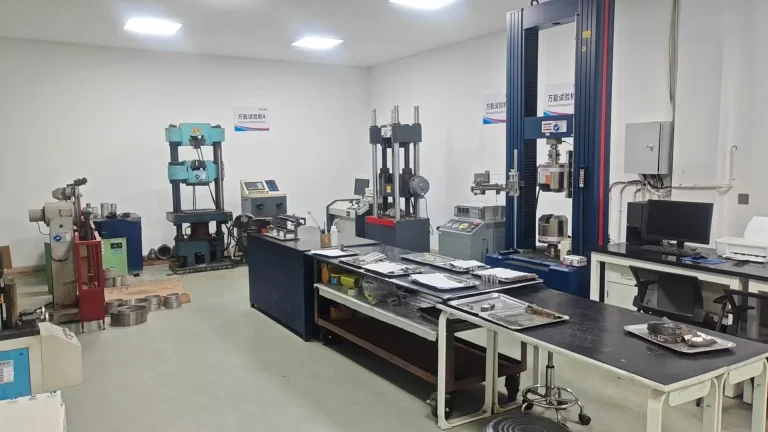
As a leading stainless tubing manufacturer in China,our factory implements rigorous quality assurance protocols.Our laboratory features advanced CNC bending equipment to handle exotic superalloys effortlessly.Our modern factory can bend steel tubings made from advanced superalloys.We test every production batch using non-destructive ultrasonic methods.Our global clients receive fully certified piping solutions that meet international ASTM standards.
Finally,inspectors verify the completed geometry using precise digital gauges.They check for wall thinning along the outer curve limit.Excessive thinning can compromise the pressure rating of the pipeline system.Therefore,matching the right mechanical force with proper lubrication ensures an optimal outcome.
Industrial Comparison of Bending Methodologies
| Bending Technique | Process Precision Level | Tooling Investment Cost | Ideal Material Profiles |
| Rotary Draw | Extremely High(± 0.1°) | High initial cost | Thin-walled precision tubes |
| Mandrel System | High geometric retention | Medium tooling cost | Critical fluid transfer lines |
| Induction Heating | Moderate structural tolerance | Very high system cost | Large diameter heavy-wall pipes |
| Three-Roll Bending | Moderate for long arcs | Low to Medium cost | Large structural frameworks |
Why do factories bend steel tubings instead of using welded elbows?
Factories choose to bend steel tubings because smooth bends improve fluid dynamics.
Welded joints create internal friction and restrict flow velocity.Furthermore,eliminating welds reduces the structural vulnerabilities that lead to corrosion.
How do you prevent superalloy tubes from wrinkling during the process?
Technicians insert a solid mandrel tool inside the tube to prevent wrinkling.This device supports the inner wall during deformation.Using correct wiper dies ensures the metal compresses smoothly.
Is it difficult to bend steel tubings composed of Inconel?
Yes,Inconel possesses high tensile strength and work-hardens rapidly.The process requires heavy-duty machinery and immense mechanical force.Operators must also apply premium lubricants to avoid surface damage.
What is the maximum allowable wall thinning percentage?
International engineering codes usually limit wall thinning to between 10% and 15%.
Technicians use ultrasonic thickness gauges to verify compliance.This step ensures the pipe safely handles high operating pressures.
write to us
Have a Question?
Contact Us!
Should you have any questions regarding stainless steel pipes, including manufacturing processes, chemical composition or other unfamiliar matters, our staff will be happy to assist you.