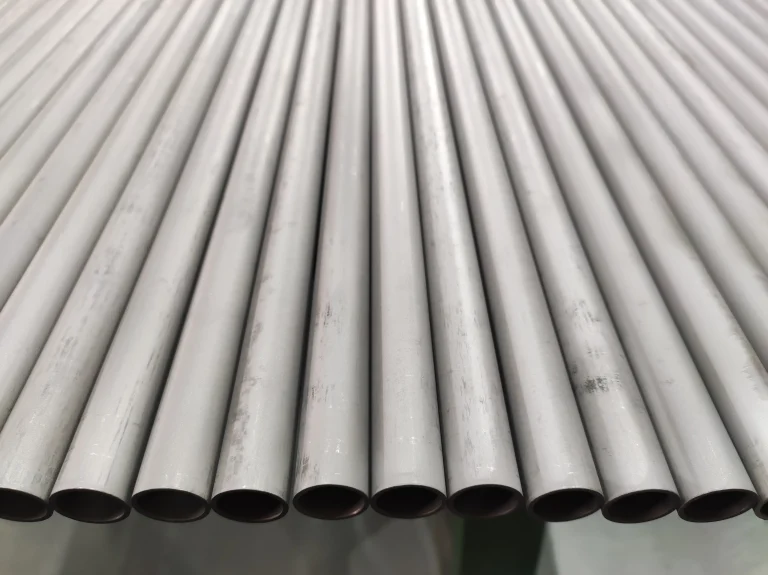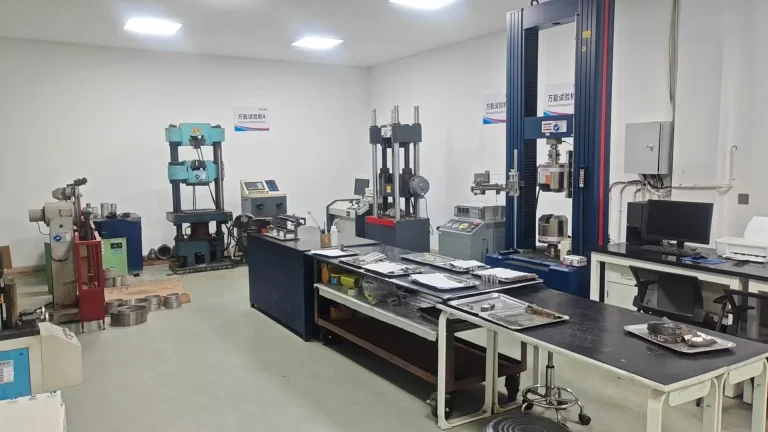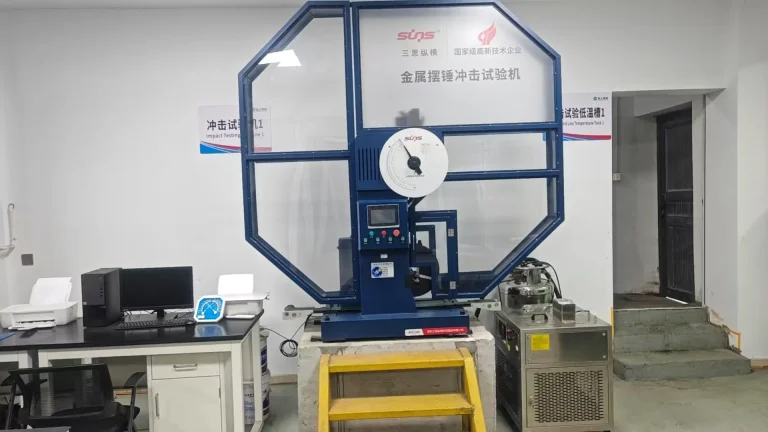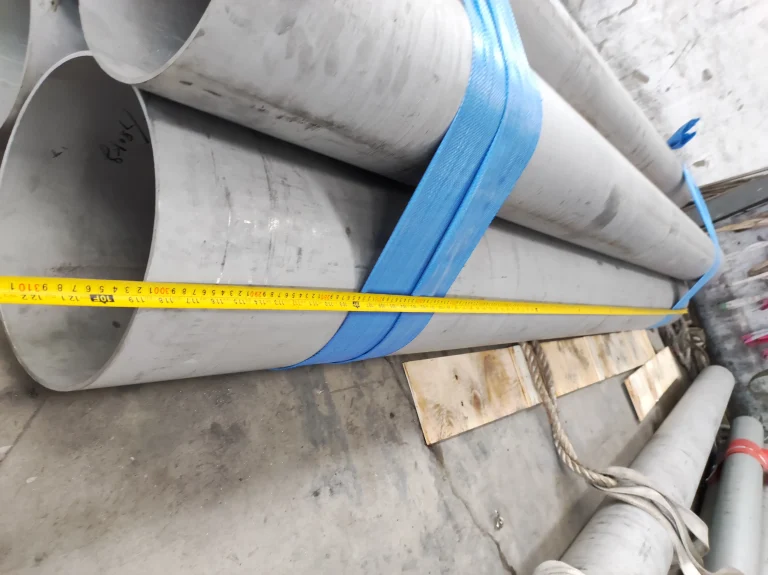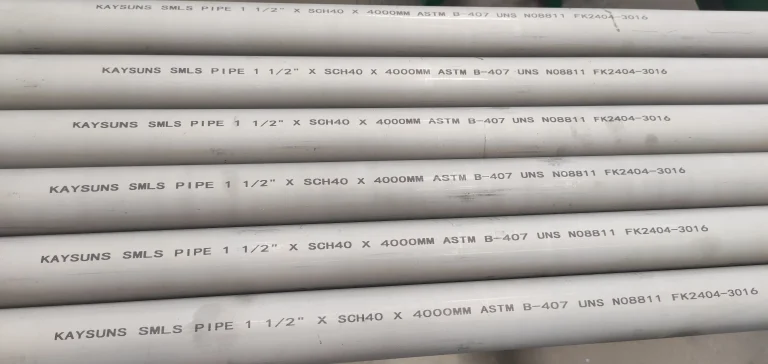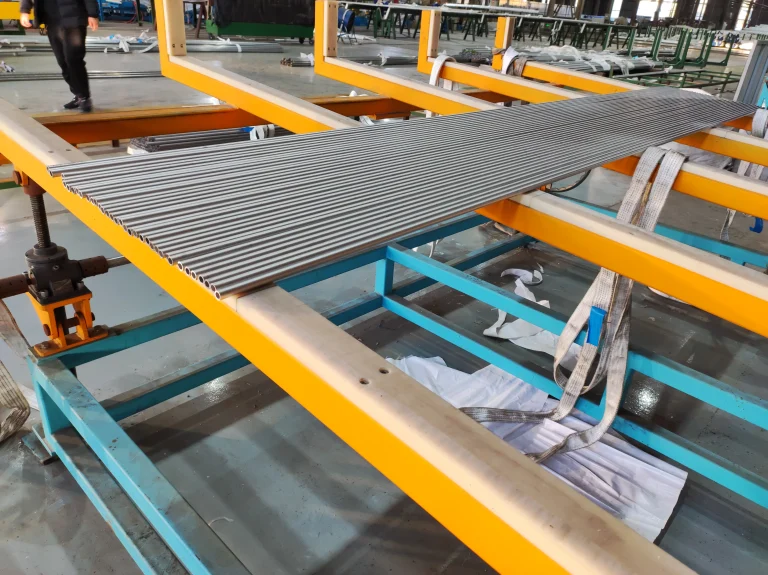
Choosing a seamless vs welded pipe determines the ultimate success of your industrial piping project.Engineering teams must evaluate several critical variables before making a final purchasing decision.For instance,you must consider internal pressure limits, environmental corrosion,and total budgetary restrictions.Fortunately,this comprehensive guide offers the exact solutions that modern industrial professionals require.
Role-Based Perspectives on Seamless vS Welded Pipe
Seamless vS Welded Pipe: The Basic Decision
| Dimension | Seamless Pipe | Welded Pipe | Procurement and Project Decision-Making Tips |
| Maximum Pressure | Extremely high up to over 30 MPa | Low- and medium-pressure typically <10 MPa | For pressures exceeding 10 MPa or high-risk media,seamless pipes must be used. |
| Budgeted Cost | High Complex Process | Low 30–50% cheaper than seamless | For low-pressure water,gas,and structural components,welding must be selected during procurement. |
| Delivery Time and Order Quantity | Long lead times and difficulties with small-batch customization | Short lead times;large-diameter products are very easy to manufacture | For large-diameter (over 24 inches) pipelines,welding (SSAW/LSAW) is generally the only viable option. |
Precise Selection of High-End Pipe Grades
When projects are exposed to highly corrosive,extremely high-temperature,or extreme marine environments,the distinction between seamless and welded pipes becomes secondary,and the chemical composition of the material (pipe grade) takes center stage.
Super Duplex Pipe – S32750 / S32760
- Applications:
High-chloride environments,offshore oil and gas development,seawater desalination,and extremely high-strength structural components. - Performance Characteristics:
2507 Super Duplex Pipe combines the advantages of both austenitic and ferritic stainless steels,offering exceptional resistance to pitting corrosion (PREn > 40) and stress corrosion cracking,with twice the strength of standard stainless steel. - Recommendation:
It offers the best value for money among specialty pipes.For coastal or offshore projects,using this material instead of 316L can significantly reduce wall thickness and lighten the weight of platform structures.
Hastelloy Pipe – C276, C22
- Applications:
Chemical intermediates,strong reducing acids (high-concentration hydrochloric acid,sulfuric acid,phosphoric acid),and environments with moist chlorine gas. - Performance Characteristics:
Hastelloy C276 pipe and Hastelloy C22 pipe are the ultimate champions of corrosion resistance,withstanding virtually any strong acid and chloride ion erosion. - Recommendation:
These materials are extremely expensive.Purchasing managers should note that these materials are classified as controlled and high-value items;approval will not be granted unless the chief engineer provides absolute proof of “extremely harsh acidic media.”
Inconel Pipe – 600, 601, 625 And 718
- Applications:
Aerospace engines,nuclear reactors,and ultra-high-temperature chemical reactors (capable of withstanding temperatures up to 1,000°C in an oxygen-free environment). - Performance Characteristics:
Extremely resistant to high-temperature oxidation and creep,while maintaining exceptionally high mechanical strength even at high temperatures. - Recommendation:
Whenever a project involves extreme operating conditions of “high temperature and corrosion,” Inconel pipes are the only choice.
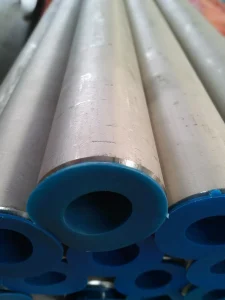
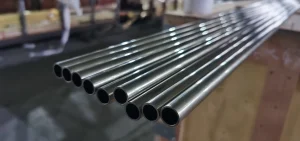
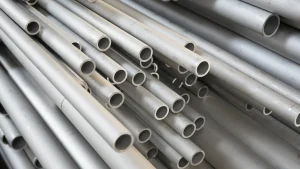
Stainless Tubings Supplier in china
Incoloy Pipe – 800 / H / HT, 825
- Applications:
Pipelines for petrochemical cracking furnaces,processing of high-sulfur crude oil, and industrial heating elements. - Performance Characteristics:
A “budget alternative” to Inconel.They have a higher iron content and slightly lower nickel content,and offer excellent resistance to carburization and oxidation,as well as moderate corrosion resistance at high temperatures. - Recommendation:
If the process temperature ranges between 600°C and 800°C and the corrosion level is moderate to high,the technical director may recommend using Incoloy pipes as a substitute for Inconel pipes,thereby helping the procurement manager save a significant amount of money.
Monel Pipe – 400, K500
- Applications:
Hydrofluoric acid (HF) alkylation units (core component of refineries),marine engineering (propeller shafts, pumps, and valves),and valve internals. - Performance Characteristics:
Both Monel 400 pipe and K500 pipe are nickel-copper alloys that offer excellent resistance to hydrofluoric acid, fluorine gas,and fast-flowing seawater. - Recommendation:
The gold standard for alkylation units in refineries.Because they contain copper,they must never be used in environments containing ammonia,as this would cause severe corrosion.
Nickel Pipe – 200, 201
- Applications:
Production of high-purity caustic soda (sodium hydroxide, NaOH),the salt industry,and food and synthetic fiber processing. - Performance Characteristics:
They exhibit exceptional resistance to highly concentrated alkaline solutions (including molten caustic soda) and do not contaminate the product. - Recommendation:
Primarily limited to chlor-alkali chemical processing and strongly alkaline environments.When purchasing,please note that if the temperature exceeds 315°C,you must select the low-carbon Nickel 201 tube to prevent graphitization and brittle fracture.
Seamless VS Welded Pipe: Core Difference in Pressure Ratings
The fundamental difference in pressure ratings between seamless and welded pipes is established by international engineering codes (e.g., ASME B31.3, ASME Section VIII).
The governing factor is the Weld Joint Efficiency Factor (E),which acts as a safety derating multiplier in wall thickness and pressure calculations.
- Seamless Pipe (E = 1.0):
Assumed to have 100% strength across the entire cross-section because there is no weld seam. - Welded Pipe (E = 0.85 or 0.70):
Derated by 15% to 30% out of the box because the weld seam is a potential point of weakness.If the welded pipe undergoes 100% Radiographic Testing (RT),the factor can be upgraded to 1.0.
The Barlow’s Formula: How Pressure is Calculated
To understand exactly how seamless pipes handle higher pressure,engineers use Barlow’s Formula to calculate the Internal Design Gauge Pressure (P):
- P = Design Pressure (PSI or MPa)
- S = Allowable Stress Value of the material (PSI or MPa)
- T = Nominal Wall Thickness (inches or mm)
- E = Weld Joint Efficiency Factor (Seamless = 1.0; Welded = 0.85 default)
- D = Outside Diameter of the pipe (inches or mm)
The Mathematical Reality:
For the exact same material,diameter,and wall thickness,a standard welded pipe will always have a 15% lower pressure rating than a seamless pipe purely due to the E factor.
Seamless VS Welded Pipe: Cost vs. Inspection Trade-Off
When a project allows welded pipes but requires a 1.0 efficiency factor to match seamless pressure ratings, Procurement must run a cost-benefit analysis.Buying a welded pipe + paying for 100% non-destructive testing is often still cheaper than buying an exotic large-diameter seamless pipe.
| Scenario | Seamless Choice | Welded + 100% NDT Alternative | Procurement Impact |
| High Pressure / Small Bore | Standard choice.Stock is readily available. | Not economically viable to weld and test small bores. | Buy Seamless |
| Medium Pressure / Large Bore | Extremely expensive; massive lead times from specialty mills. | Buy LSAW (Longitudinal Welded) with 100% X-ray testing. | Buy Welded + RT (Saves up to 40% cost) |
Seamless VS Welded Pipe: Field Hydro-Testing & Risk
Particular attention should be paid to the risk of failures that may occur during on-site hydrostatic testing (typically conducted at 1.5 times the design pressure).Any failure during hydrostatic testing would result in a complete derailment of the project schedule.
| Pipe Type | Pressure Performance in Field | Quality Control Risk | Schedule Mitigation |
| Seamless | Uniform expansion.Extremely rare to burst during field hydro-tests. | Minimal field inspection required for the pipe body. | Fast-track scheduling for high-pressure loops. |
| Welded | Risk of pinhole leaks or longitudinal cracks along the seam if QA/QC failed at the mill. | Requires strict review of mill test certificates before installation. | Allocate buffer time in the schedule for potential weld repairs. |
Seamless VS Welded Pipe: Technical Compliance & Safety Limits
| Pressure Category | Typical Range | Recommended Type | Engineering Justification |
| Low Pressure | < 2.0 MPa ≈ 300 psi | Welded ERW / SSAW | More than adequate.Wall thickness is governed by mechanical rigidity,not pressure. |
| Medium Pressure | 2.0 – 10.0 MPa | Welded (with RT) or Seamless | Case-by-case.Welded is preferred for large utilities;Seamless for hydrocarbons. |
| High Pressure | > 10.0 MPa ≈ 1500 MPa | Seamless Only | Eliminates Hoop Stress risks.Weld seams are highly susceptible to fatigue under cyclic high pressure. |
| Severe Cyclic Conditions | Variable High Pressure | Seamless Only | ASME B31.3 strictly limits or penalizes welded joints under severe thermal/pressure cycling. |
Comprehensive Selection Decision Flow
As a professional wholesaler of alloy pipes in China,we recommend that your team conduct a simulation exercise in the following order to determine whether to use seamless or welded pipes and to select the appropriate material.
Step 1: Rated operating conditions
Is the pressure greater than 10 MPa,or the temperature greater than 450°C,or are flammable,explosive,or toxic substances being transported?
If so, lock the seamless pipe.If not,secure the welded pipe.
Step 2: Approved for Corrosive Environments
Check for the presence of strong acids,high chloride ion concentrations,or extremely high temperatures.
If none of these conditions apply,use standard carbon steel or stainless steel,such as A106, 304, or 316.
If any of these conditions apply,proceed to the special alloy grade selection:
- Seawater / Ocean / High Chloride:Select Super Duplex Pipes.
- Extreme Heat + Corrosion: Choose Inconel; for a lower budget,choose Incoloy Pipes.
- Strongly Reducing Acids (Hydrochloric Acid / Sulfuric Acid): Select Hastelloy Pipes.
- Hydrofluoric Acid / Flowing Seawater: Select Monel Pipes.
- High-temperature Strong Alkali (NaOH): Select Nickel Pipes.
Step 3: Get your personalized quote
First,contact us to receive a quick,free,customized quote.We will respond within 2 business days.Please specify the type of pipe you need (seamless or welded),the grade (e.g., Hastelloy C276 or C22),the wall thickness,length,and the quantity required.
For example:
SMLS pipe, ASTM A312 TP316/316L, 10” * SCH40S * 6m length, fixed price, 100 pieces
What is a “Clad Pipe,” and how does it save money on specialty materials?
A clad pipe consists of a cheap base material (like carbon steel) bonded internally with a thin layer (usually 2–3 mm) of an expensive corrosion-resistant alloy (CRA) like Inconel or Hastelloy.
The carbon steel provides the required structural pressure containment,while the CRA liner handles the corrosive chemicals.This can cut material procurement costs by 50% to 70% compared to a solid exotic alloy pipe.
What is the difference between Inconel and Incoloy?
Inconel (Nickel-Chromium base):
Features a much higher nickel content (typically >50%).It is designed for extreme,high-stress environments and severe corrosion up to 1000°C.
Incoloy (Nickel-Iron-Chromium base):
Contains more iron and less nickel,making it the “budget-friendly alternative.”It offers excellent oxidation and mid-to-high temperature resistance but at a lower price point than Inconel.
Why is Monel strictly mandated for Hydrofluoric Acid (HF) Alkylation units?
Monel forms a stable,protective fluoride film on its surface when exposed to hydrofluoric acid.This film acts as an impenetrable barrier against further corrosion,making it the industry standard for refinery alkylation units.
Because Monel contains copper,it must never be used in ammonia environments,which cause rapid,catastrophic stress corrosion cracking.
Are there temperature limits for pure Nickel pipes?
Yes,due to Graphitization:
Pure Nickel (Nickel 200) shouldn’t be used above 315°C (600°F).Above this temperature, carbon precipitates out into graphite at the grain boundaries,causing the pipe to become brittle and fail.For temperatures above 315°C,Nickel 201 (the low-carbon version) must be specified.
write to us
Have a Question?
Contact Us!
Should you have any questions regarding stainless steel pipes, including manufacturing processes, chemical composition or other unfamiliar matters, our staff will be happy to assist you.