What is Hydrogen-induced Cracking?
HIC stands for hydrogen-induced cracking.It is a type of internal metal degradation that occurs when atomic hydrogen diffuses into carbon steel or other high-strength alloys,causing internal blistering,delamination,and cracking.It typically occurs without any applied external stress and is a severe threat in oil and gas pipelines,refineries,and chemical processing plants.
The Mechanism of Hydrogen-induced Cracking
Key Factors Driving hydrogen-induced cracking
- Environment:
Highly prevalent in sour service environments containing wet hydrogen sulfide,cyanides,or hydrofluoric acid. - Material Susceptibility:
Dirty steels with high levels of sulfur,manganese,or phosphorus inclusions are highly prone to hydrogen-induced cracking. - Temperature:
Most critical at low to ambient temperatures (between -50°C and 150°C),as higher temperatures allow hydrogen to safely diffuse out of the metal.
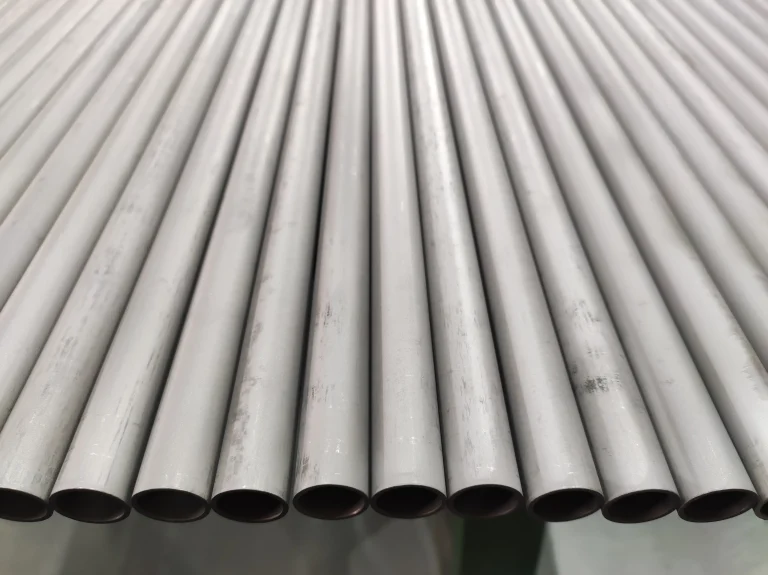
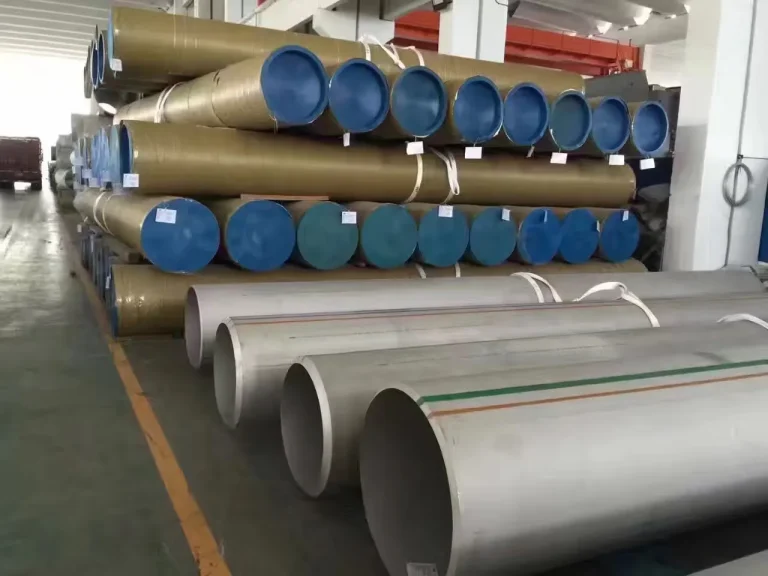
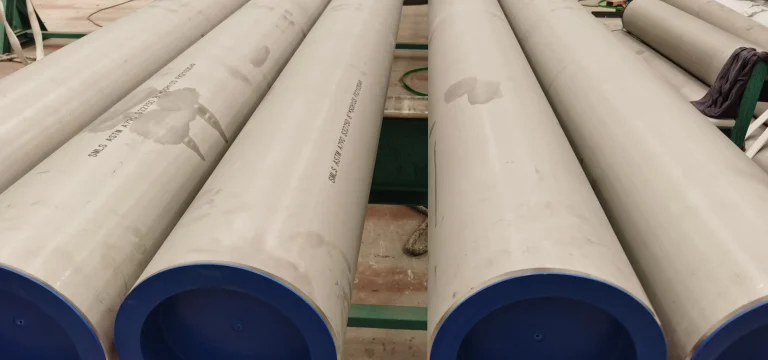
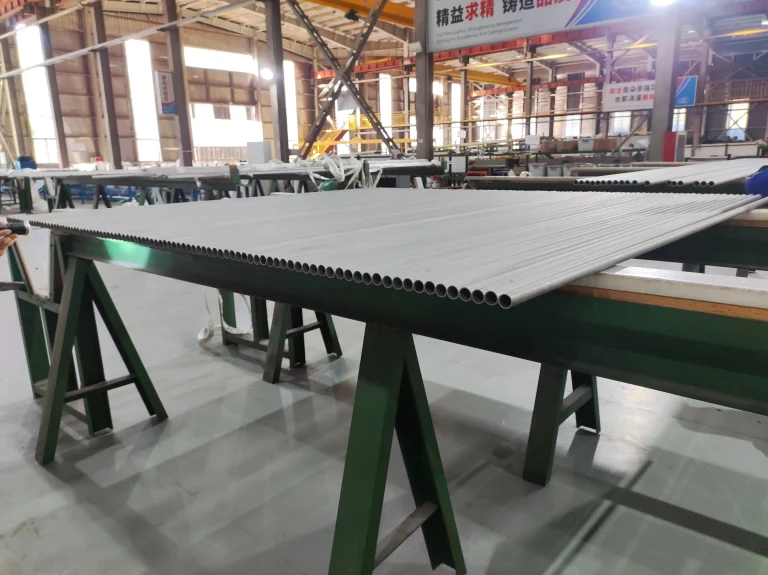
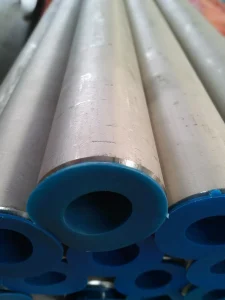
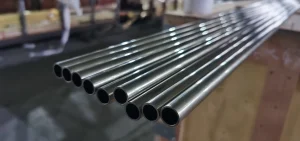
Stainless Tubings Supplier in china
How to Prevent Hydrogen-induced Cracking?
To effectively prevent hydrogen-induced cracking,industries must address three main factors:the environment,the material metallurgy,and manufacturing processes.
Material Selection
- HIC-Resistant Steels:
Specify steels manufactured to NACE MR0175 / ISO 15156 standards. - Low Sulfur Content:
Keep sulfur levels extremely low (typically less than 0.002%) to prevent the formation of elongated manganese sulfide (MnS) inclusions. - Inclusion Shape Control:
Treat the steel with calcium during manufacturing. This changes brittle,elongated inclusions into hard, spherical shapes that do not trap hydrogen. - Chemistry Control:
Limit the presence of trace elements like phosphorus,manganese,and copper to reduce internal structural segregation.
Environmental Controls
Reducing the amount of atomic hydrogen generated on the metal surface stops the diffusion process before it starts.
- Corrosion Inhibitors:
Inject chemical inhibitors into process streams (especially in wet hydrogen sulfide environments) to form a barrier film on the metal. - Process Modification:
Control pH levels,reduce water content,and minimize the concentration of cyanides or hydrogen sulfide. - Dehumidification:
In welding environments,keep materials dry to prevent moisture from breaking down into hydrogen.
Welding and Fabrication Controls
Welding is a major source of hydrogen introduction. Strict procedures must be followed.
- Low-Hydrogen Consumables:
Use welding electrodes specified as low-hydrogen (e.g., E7018 or flux-cored wires designated with H4 or H8 parameters). - Baking Electrodes:
Bake welding rods in dedicated ovens prior to use to eliminate any absorbed atmospheric moisture. - Preheating:
Heat the metal before welding.This slows the cooling rate and allows hydrogen to easily diffuse out of the weld zone. - Post-Weld Heat Treatment:
Bake the completed weldment (typically around 600°C) to relieve residual stresses and forcefully drive out any remaining trapped hydrogen.
Surface Protection
Physical barriers prevent corrosive mediums from interacting with the base steel.
- Corrosion-Resistant Alloys:
Apply an internal cladding or weld overlay using alloys like Inconel or Stainless Steel 316L. - Organic Coatings:
Use specialized epoxy or polymer linings to isolate the steel from wet,sour process fluids.
Variants and Related Phenomena
Non-Destructive Testing & Inspection
Because hydrogen-induced cracking starts inside the steel walls without visible surface changes,specialized inspection methods are required to find it before failure:
- Automated Ultrasonic Testing:
Uses automated probes to map the internal steel structure and find laminations or early-stage HIC mid-wall. - Phased Array Ultrasonic Testing:
The industry standard.It provides high-resolution,multi-angle cross-section views to distinguish between harmless inclusions and dangerous stepwise cracking. - Time-of-Flight Diffraction:
Highly accurate for sizing the height and length of internal cracks,helping engineers decide if equipment is still safe to operate. - Hydrogen Flux Monitoring:
Specialized sensors placed on the outside of pipes to measure how much atomic hydrogen is actively diffusing through the steel wall in real-time.
Industry Risk Centers
- Upstream Oil & Gas:
Production pipelines carrying “sour” crude oil or natural gas with high concentrations of water and H₂S. - Refineries:
Amine treatment units,hydrocrackers,and sour water strippers where high temperatures and corrosive chemicals interact. - Asset Lifecycle:
Older facilities built before modern HIC-resistant steel standards are at the highest risk for sudden catastrophic rupture.
Economic and Safety Impact
- Catastrophic Failures:
Hydrogen-induced cracks can grow silently until the remaining steel wall can no longer hold the pressure,leading to explosive ruptures, fires, and toxic gas leaks. - Financial Loss:
Discovering hydrogen-induced cracking during a shutdown means unexpected,expensive steel plate replacements, weld repairs,and prolonged facility downtime.
Advanced Material Upgrades
When standard HIC-resistant carbon steels cannot withstand extreme conditions,industries switch to corrosion-resistant alloys.These nickel-based,highly alloyed pipes offer complete resistance to hydrogen diffusion and sour gas corrosion:
- Inconel Pipes:
This nickel-chromium-molybdenum alloy features excellent resistance to pitting and crevice corrosion.It is widely used for internal cladding or solid piping in top-tier offshore production wells where high levels of H₂S and CO₂ are present. - Monel Pipes:
A copper-nickel alloy known for its exceptional resistance to hydrofluoric acid and sour environments.
It prevents the initial corrosion reactions that generate atomic hydrogen,eliminating the root cause of hydrogen-induced cracking. - Super Duplex Pipes:
Featuring a 50/50 austenitic-ferritic microstructure,super duplex stainless steel combines high mechanical strength with extreme resistance to chloride stress corrosion cracking and hydrogen damage.
What is the difference between Hydrogen-induced Cracking and SCC?
Hydrogen-induced cracking is driven by internal gas pressure.It occurs without the need for external tensile stress, forming horizontal internal bubbles and step-like cracks.
SCC is caused by a combination of tensile stress and a corrosive environment.It creates sharp,branching cracks that originate from the outer surface.
Can Hydrogen-induced Cracking be detected visually from the outside?
No,not in its early stages.HIC is an internal degradation process that occurs mid-wall within the steel lattice.
Surface blisters only appear in advanced stages when cracks grow close to the outer surface.
Advanced Ultrasonic Testing (like PAUT) is required for early detection.
Does Hydrogen-induced Cracking occur in stainless steels or nickel alloys?
Rarely.HIC primarily targets ferritic carbon steels and low-alloy steels.
Austenitic stainless steels and nickel alloys have a different crystal structure.This structure features much lower hydrogen diffusion rates,making them highly resistant or immune.
Can Post-Weld Heat Treatment completely cure Hydrogen-induced Cracking?
PWHT prevents HIC,but it cannot fix existing cracks.
Baking the metal immediately after welding drives out mobile hydrogen before it can pool and cause damage.However,if internal stepwise cracks or laminations have already formed, heat treatment cannot bond the separated steel back together.
What is the standard test to qualify steel against Hydrogen-induced Cracking?
NACE TM0284 is the universal laboratory test standard.
Steel samples are immersed in a corrosive solution saturated with hydrogen sulfide for 96 hours.The steel is then cross-sectioned and evaluated using three primary metrics:Crack Length Ratio (CLR),Crack Thickness Ratio (CTR),and Crack Sensitivity Ratio (CSR).
write to us
Have a Question?
Contact Us!
Should you have any questions regarding stainless steel pipes, including manufacturing processes, chemical composition or other unfamiliar matters, our staff will be happy to assist you.