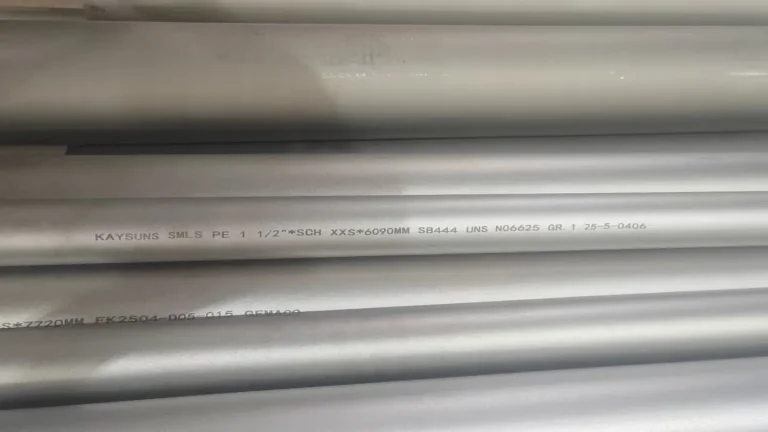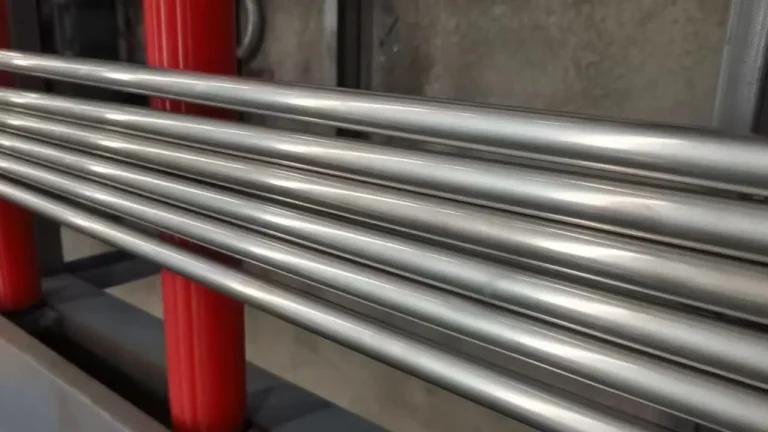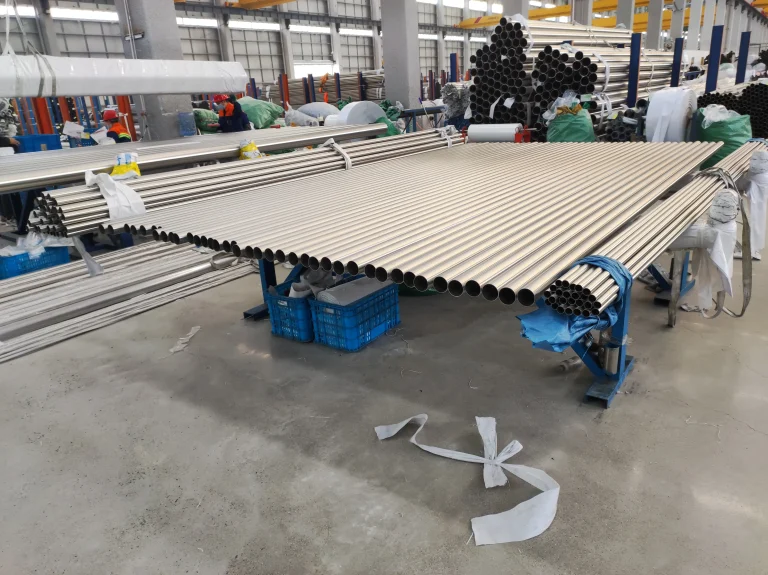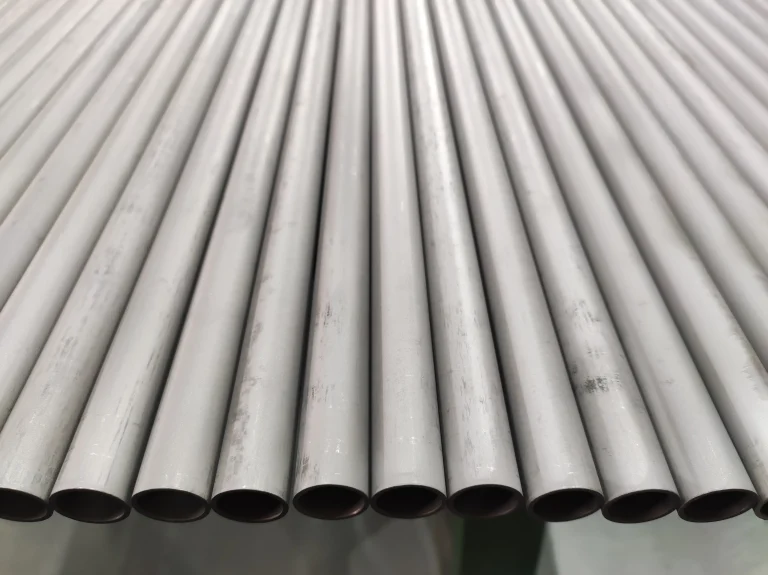
What is NACE MR0175 / ISO 15156 Standard?
NACE MR0175 / ISO 15156 is the definitive global materials standard that defines which metallic materials can safely be used in upstream oil and gas production environments containing hydrogen sulfide.
Often referred to as “sour service” environments,these conditions present severe risks of catastrophic equipment failure.The standard provides strict guidelines to prevent environmentally assisted cracking,ensuring human health,safety,and environmental protection.
Key Crack Mechanisms Prevented
The standard is explicitly designed to mitigate specific cracking mechanisms triggered by wet H₂S under tensile stress, such as SSC, SCC, and HIC.
- Sulfide Stress Cracking (SSC):
A form of hydrogen-assisted cracking occurring in high-strength steels. - Stress Corrosion Cracking (SCC):
Cracking caused by the combined effects of tensile stress and a corrosive environment. - Hydrogen-Induced Cracking (HIC):
Internal cracks that form as hydrogen molecules accumulate within steel defects.
Structure of NACE MR0175 / ISO 15156 Standard
The standard is harmonized across two major global bodies:
the Association for Materials Protection and Performance (AMPP/NACE) and the International Organization for Standardization (ISO).It is divided into three comprehensive parts:
- Part 1:
General principles for selecting cracking-resistant materials. - Part 2:
Requirements for carbon steels,low-alloy steels,and cast irons. - Part 3:
Requirements for corrosion-resistant alloys (CRAs),including stainless steel and nickel alloy pipes.
Core Requirements for Compliance
To be certified as “NACE compliant,”materials must follow strict rules regarding metallurgical properties and operational environments:
Crucial Limitations
It is vital for engineers to recognize what NACE MR0175 / ISO 15156 does not do:
Stainless Tubings Supplier in china
NACE MR0175 / ISO 15156 provides comprehensive details beyond general rules.
It defines specific environmental regions and explicit material limits.
H₂S Severity Regions as Specified in NACE MR0175
The standard uses pH and H₂S partial pressure to classify the severity of sour environments.Engineers use these regions to determine if standard carbon steels require special testing.
| Severity Region | H₂S Partial Pressure | In-situ pH Range | Material Qualification Rule |
| Region 0 | < 0.05 psi (0.0003 MPa) | Any pH | Standard carbon steels allowed without SSC testing. |
| Region 1 | ≥ 0.05 psi | High pH (≥ 5.5) | Low risk.Basic hardness control (≤ 22 HRC) applies. |
| Region 2 | ≥ 0.05 psi | Medium pH (3.5 to 5.5) | Moderate risk.Requires strict sulfur limits and chemistry controls. |
| Region 3 | ≥ 0.05 psi | Low pH (< 3.5) | High risk.Laboratory SSC qualification testing highly recommended. |
Common Alloys and Environmental Limits as Specified in NACE MR0175
Corrosion-resistant alloy pipes are not universally immune to cracking.
The standard restricts their usage based on maximum temperature,chloride concentration,and H₂S limits.
| Material Group | Common Examples | Max Temperature | Max Chloride (Cl⁻) | Max pH2S |
| Austenitic Stainless | 304, 316 / 316L | 140°F (60°C) | No limit specified | 15 psi (0.1 MPa) |
| Duplex Stainless | UNS S31803 / F51 | 450°F (232°C) | 120,000 mg/L | 1.5 psi (0.01 MPa) |
| Super Duplex | UNS S32750 / F53 | 450°F (232°C) | 120,000 mg/L | 3.0 psi (0.02 MPa) |
| Precipitation-Hardened | 17-4PH, 15-5PH | 150°F (65°C) | No limit specified | 0.5 psi (0.003 MPa) |
| Nickel-Copper Alloys | Monel K-500 | Any temperature | No limit specified | No limit specified |
Mandatory Laboratory Qualification Testing
When a material falls outside the pre-approved tables in the standard,it must pass mandatory laboratory tests to prove resistance to environmental cracking:
- SSC Testing (NACE TM0177):
Employs methods like Method A (tensile test),Method B (bent-beam),or Method D (double-cantilever-beam) to verify resistance under fixed tensile stress. - HIC Testing (NACE TM0284):
Evaluates flat steel plates by exposing un-stressed samples to sour solutions for 96 hours,followed by ultrasonic or microscopic analysis to calculate the crack sensitivity ratio.
Does “Meeting NACE” mean a material is safe from all corrosion?
No.NACE MR0175 / ISO 15156 strictly governs environmentally assisted cracking mechanisms triggered by wet H₂S.
It does not protect against weight-loss corrosion,localized pitting,or crevice corrosion.
What is the difference between NACE MR0175 and NACE MR0103?
NACE MR0175 / ISO 15156:
Applies exclusively to upstream exploration and production equipment where high chloride levels and varying pH are common.
NACE MR0103 / ISO 17495:
Applies strictly to downstream petroleum refining environments.Refining fluids generally have very low chloride levels and high,buffered pH environments,meaning the material controls and limits can differ significantly from upstream requirements.
Are 3.1 or 3.2 material certificates required for NACE validation?
The standard itself does not mandate certification types like EN 10204 3.1 or 3.2.
Certification requirements are commercial and regulatory issues defined by the end-user or local law.
However,to prove compliance to a client,material test reports showing heat treatment, chemical content,and actual hardness test values are universally demanded during procurement.
write to us
Have a Question?
Contact Us!
Should you have any questions regarding stainless steel pipes, including manufacturing processes, chemical composition or other unfamiliar matters, our staff will be happy to assist you.