How To Clean Stainless Steel And Superalloy Pipes?
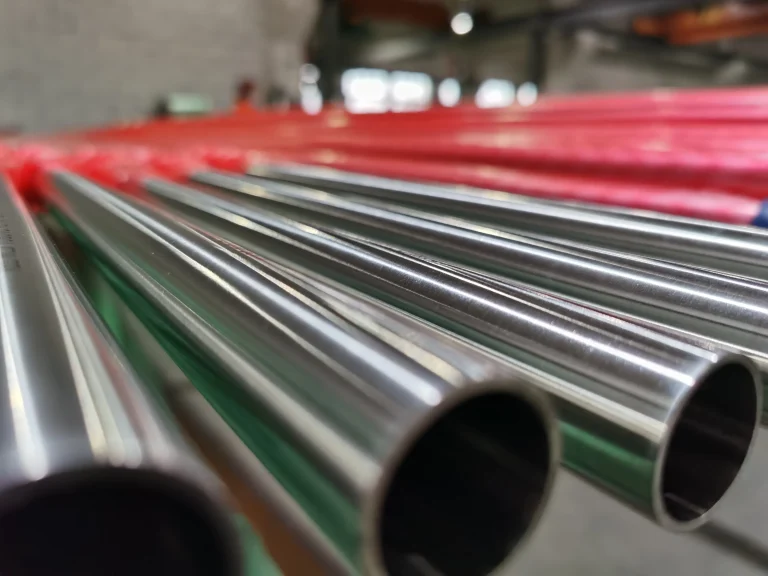
To clean stainless steel and superalloy pipes such as Inconel pipes, Hastelloy pipes, or Monel pipes effectively,you must remove surface contaminants without damaging the metal’s protective passive oxide layer.Both materials require careful handling to avoid cross-contamination and micro-scratches.
Clean Stainless Steel VS Superalloy Pipes
The core difference between cleaning stainless steel and superalloy pipes lies in the material’s chemical tolerance and the hardness of its oxide layer.Due to the massive differences in crystal structure and alloy elements,they require entirely different process standards for cleaning, pickling, and maintenance.
Procedures for Cleaning Stainless Steel Pipes
When it comes to cleaning stainless steel pipes like 304/L, 316/L, and 321, the focus is on removing iron contamination, eliminating weld heat-tint, and restoring the passive layer.
- General Cleaning & Degreasing:
Use warm water mixed with neutral or mildly alkaline detergents.For heavy grease,wipe down with isopropyl alcohol (IPA) or acetone. - Chemical Pickling:
Industrially,a mixture of Nitric Acid (HNO₃) + Hydrofluoric Acid (HF) or a dedicated pickling paste is used.This thoroughly dissolves the chromium-depleted layer on the surface. - Passivation:
After pickling,the pipes must be treated with a 20% to 50% nitric acid solution or an eco-friendly citric acid solution.This forces the rapid reformation of a dense chromium oxide (Cr₂O₃) protective barrier.
Procedures for Cleaning Stainless Steel Pipes
Stainless Tubings Supplier in china
Procedures for Cleaning Superalloy Pipes
Cleaning superalloy pipes requires them to be 100% degreased before any high-temperature operation.If fingerprints,lubricants,or paint remain on the surface during welding or heat treatment,carbon will diffuse into the alloy matrix,causing severe embrittlement.
Hastelloy Pipes
Known for extreme corrosion resistance,Hastelloy is typically used in severe acid,alkali,and highly oxidizing environments.
- Cleaning Method:
Use hot,highly concentrated alkaline solutions for flush-degreasing.To remove high-temperature scale,a potassium permanganate + caustic soda molten salt bath is preferred,followed by a rapid acid flash.
Inconel Pipes
A classic nickel-chromium-iron superalloy widely used in aerospace and nuclear high-temperature components.
- Cleaning Method:
For mechanical cleaning, use ultrasonic baths combined with high-purity solvents.Chemical cleaning employs sulfuric acid or nitric-hydrofluoric acid mixtures under strict temperature and concentration controls.
Monel Pipes
A nickel-copper alloy featuring exceptional resistance to seawater and fluorine gas.
- Cleaning Method:
Usually cleaned with mild soapy water,alkaline solutions,or specialized dilute nitric acid solutions.
Incoloy Pipes
An iron-nickel-chromium alloy positioned between high-grade stainless steel and standard superalloys.
- Cleaning Method:
The cleaning process closely mirrors 316L,utilizing nitric-hydrofluoric acid mixtures for pickling.
Pure Nickel Pipes
Industrial pure nickel pipes are primarily utilized in high-concentration caustic alkalis and strong reducing chemical lines.
- Cleaning Method:
Because pure nickel is chemically reactive,stick to mild industrial organic solvents or high-pressure hot water flushes.If pickling is mandatory,use highly diluted hydrochloric or sulfuric acid only with added corrosion inhibitors.
How can field technicians tell if a pipe is completely degreased before heating or welding?
Technicians use the Water Break Test (ASTM F21).
Spray or pour high-purity,deionized water onto the cleaned pipe surface.
If the water spreads evenly in a continuous,unbroken film,the pipe is 100% degreased.If the water beads up,separates,or leaves dry spots,residual oil or grease is still present,and the pipe must be degreased again.
How do you clean the inside of very long or bent pipe spools where brushes cannot reach?
You must use CIP chemical circulation or pigging.
CIP:Temporary pumps circulate the degreasing solvent,acid,and rinse water through the closed pipe loop at a high velocity to mechanically scour the inner walls.
Pigging:For heavy debris,an elastic or foam cylinder (a “pig”) is launched through the pipe using compressed air or water pressure to physically scrape the interior walls.
What is the most critical safety rule when cleaning stainless steel or superalloy process piping?
The absolute priority is to ensure 100% chemical compatibility.For instance,while you can use standard nitric-hydrofluoric acid mixtures when cleaning stainless steel to remove weld scale,using that same formula on certain superalloys like Pure Nickel or Hastelloy B3 can cause a catastrophic,violent reaction that dissolves the pipe wall in minutes and releases highly toxic nitrogen dioxide gas.Always verify the specific alloy grade before introducing any acid.
Can I use high-chloride municipal tap water for the final rinse after cleaning stainless steel or superalloy pipes?
Absolutely not.High-performance lines require a final rinse with demineralized or deionized (DI) water with a chloride content below 5 to 50 ppm.If you use standard tap water,the high levels of chlorine/chlorides will remain on the inner walls as the pipe dries.This triggers severe localized pitting corrosion and SCC,completely undoing the benefits of your cleaning stainless steel or superalloy process.
What type of mechanical blasting media should be used when cleaning superalloy systems to avoid cross-contamination?
When cleaning superalloy components mechanically,you must only use high-purity,iron-free abrasives such as premium aluminum oxide or silicon carbide.Additionally,these tools and media must be strictly color-coded and dedicated only to that specific alloy grade.Using a grinding disk or brush that has previously touched carbon steel or even a different grade of stainless steel will embed foreign metallic particles,causing localized galvanic corrosion later.
write to us
Have a Question?
Contact Us!
Should you have any questions regarding stainless steel pipes, including manufacturing processes, chemical composition or other unfamiliar matters, our staff will be happy to assist you.