What is An Optical Emission Spectrometer?
An optical emission spectrometer (OES) is an analytical instrument primarily used to determine the rapid elemental composition and chemical makeup of metals and alloys.By introducing electrical energy to a solid metal sample,it excites the atoms to emit light at specific wavelengths unique to each element,allowing for simultaneous identification and quantification from trace levels to high percentages.
Common Applications and Uses
Industries That Rely on Optical Emission Spectrometer
- Foundries and Primary Metal Producers
- Automotive Manufacturing
- Aerospace and Defense
- Oil, Gas, and Petrochemical
- Scrap Metal Recycling
- Power Generation and Nuclear Energy
- Fabricated Metal Products and Machining
- Construction and Civil Engineering
- Shipbuilding and Marine Engineering
- Medical Device Manufacturing
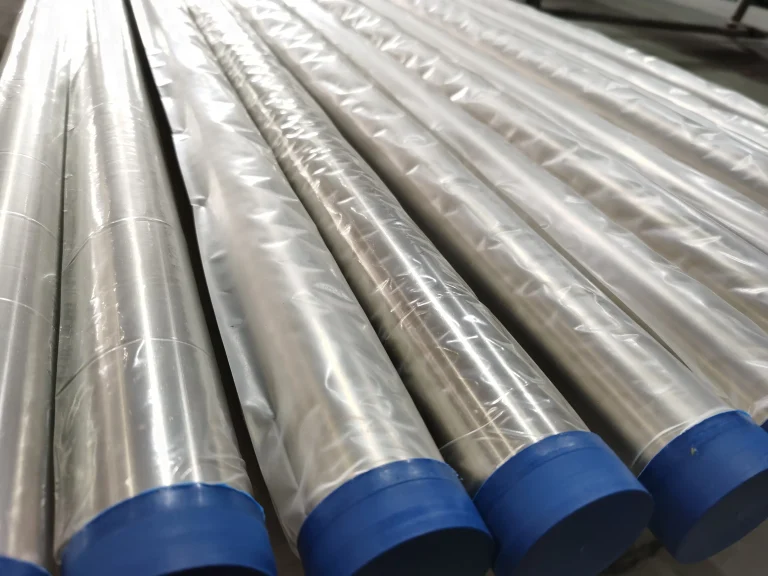
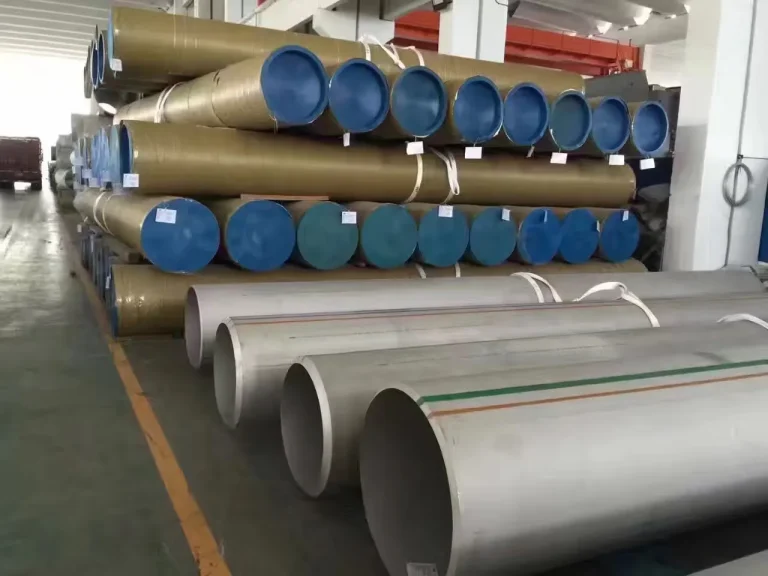
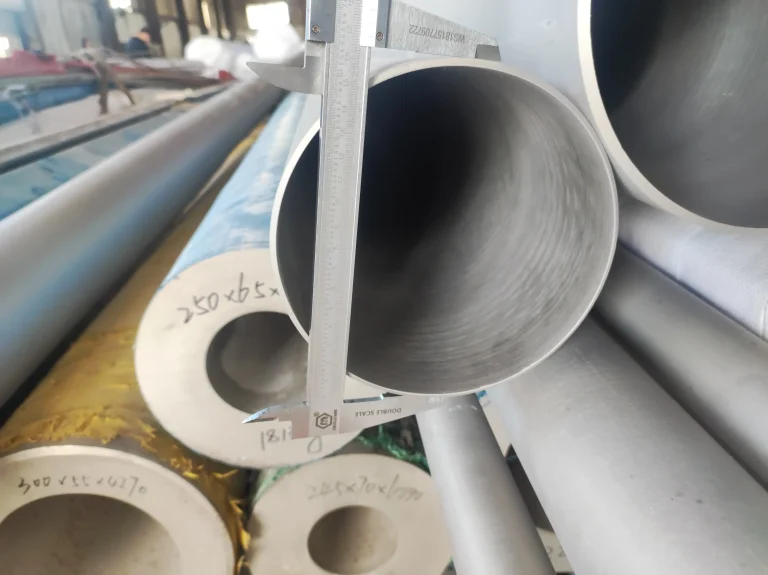
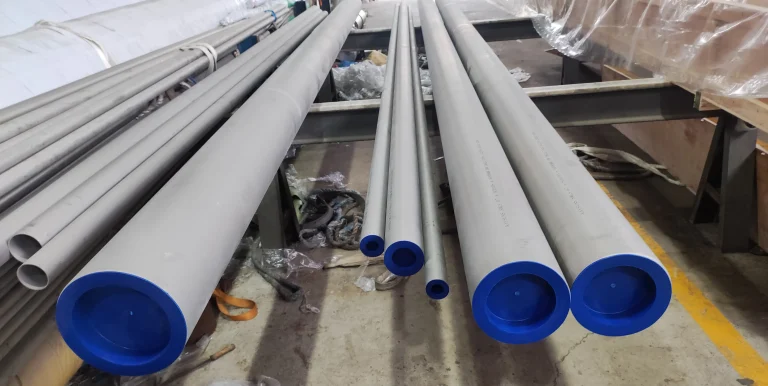
Stainless Tubings Supplier in china
How an Optical Emission Spectrometer Works
- Excitation:
An electrical discharge (arc or spark) strikes the metal sample, vaporizing and exciting a tiny amount of material on the surface. - Emission:
As the excited atoms and ions return to a stable state,they emit light at specific wavelengths unique to each element. - Dispersion:
An internal optical system splits the mixed light into separate wavelengths,much like a prism. - Measurement:
Detectors (modern CMOS/CCD sensors or traditional PMTs) measure the intensity of each wavelength.
Computers translate this intensity directly into an accurate percentage of elemental concentration.
Technical Limitations and Challenges
Equipment Classification
- Stationary / Laboratory OES:
Large,benchtop or floor-standing units.They use vacuum pumps or are flooded with high-purity Argon gas to clear out oxygen,allowing the optics to read sensitive elements (like Nitrogen and Carbon) in the vacuum ultraviolet spectrum.This offers the highest possible accuracy. - Mobile / Portable OES:
Built into wheeled carts or rugged cases with a flexible probe gun.These are designed for field deployment,scrap yards,or climbing up scaffolding to test existing refinery pipelines.
Technology Comparison: OES vs. XRF vs. LIBS
| Feature | OES | XRF | LIBS |
| Excitation Source | Electrical Spark / Arc | X-ray Tube | High-energy Pulsed Laser |
| Carbon Detection | Excellent | Cannot Detect | Possible |
| Destructiveness | Burn Mark | 100% Non-destructive | Tiny Laser Pit |
| Safety Concerns | Bright Light Flash | X-ray Radiation Risk | Requires Eye Protection |
| Portability | Heavy | Ultra-portable Handheld Gun | Ultra-portable Handheld Gun |
What causes an Optical Emission Spectrometer to give unstable or inaccurate readings?
Poor Sample Preparation:
If the metal surface isn’t ground completely flat,or contains traces of paint,rust,oil,or fingerprints,the spark will fail to cycle evenly.
Fluctuating Lab Climate:
Optical emission spectrometer hardware is highly sensitive to ambient temperature and humidity shifts, which physically expand or contract the internal diffraction gratings.
Gas Impurity:
If the Argon tank purity drops below 99.999%,the plasma weakens and readings drift.
How often does an Optical Emission Spectrometer need to be calibrated?
Daily for routine checks,weekly for deep standardization.
Because optical emission spectrometer devices utilize relative measurements rather than absolute calculations,they drift slightly over time.Operators typically run a known control sample (drift correction) at the start of every shift.A full Type Standardization using certified reference materials is typically performed weekly,or after the instrument logs a few hundred burns.
Can Optical Emission Spectrometer accurately measure Carbon in Cast Iron?
It requires special care.
While optical emission spectrometer is the global standard for identifying carbon levels in steel,cast iron is tricky because its carbon segregates into uneven,localized free-graphite nodules or flakes.To get a precise reading,the molten iron sample must be quenched rapidly during casting to force the structure into a uniform “white iron” phase,ensuring the carbon is evenly distributed for the spark.
write to us
Have a Question?
Contact Us!
Should you have any questions regarding stainless steel pipes, including manufacturing processes, chemical composition or other unfamiliar matters, our staff will be happy to assist you.