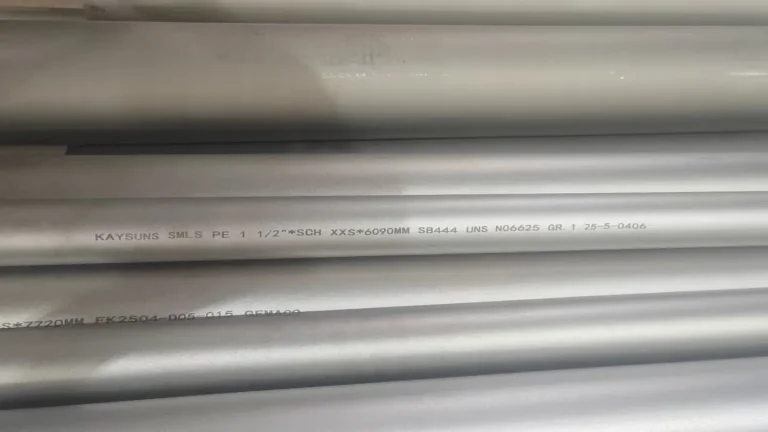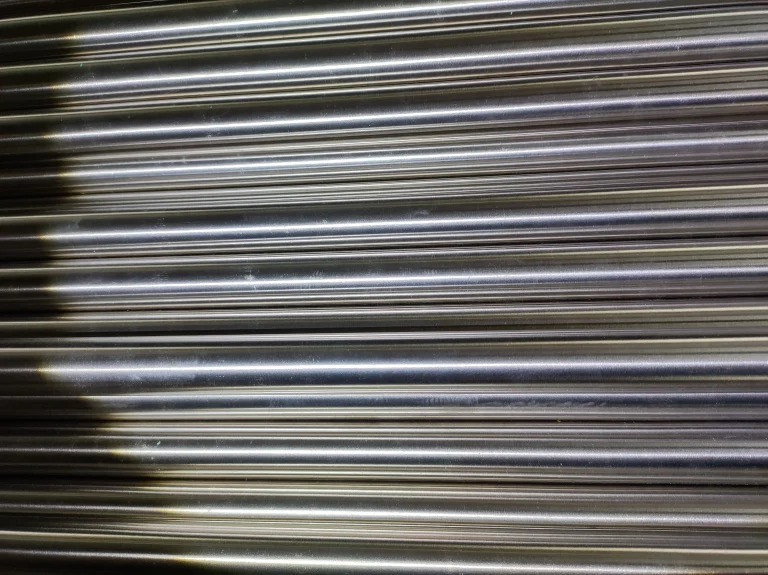
What is Physical Property Testing?
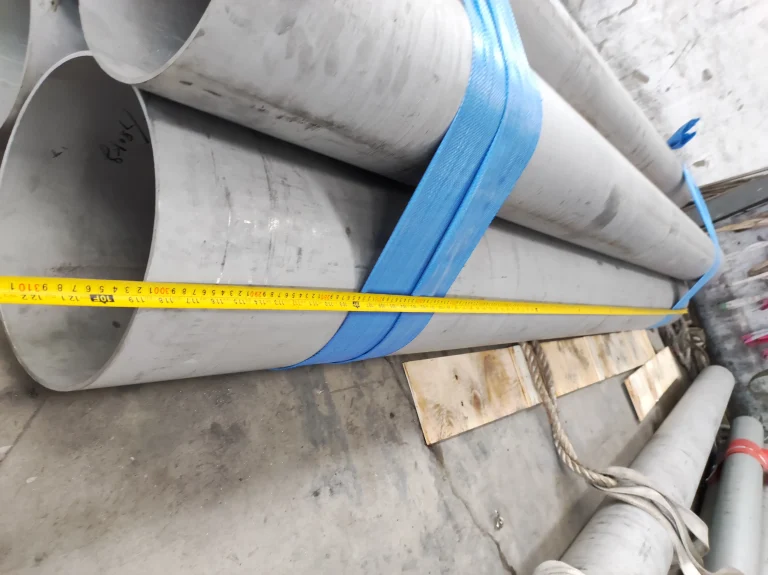
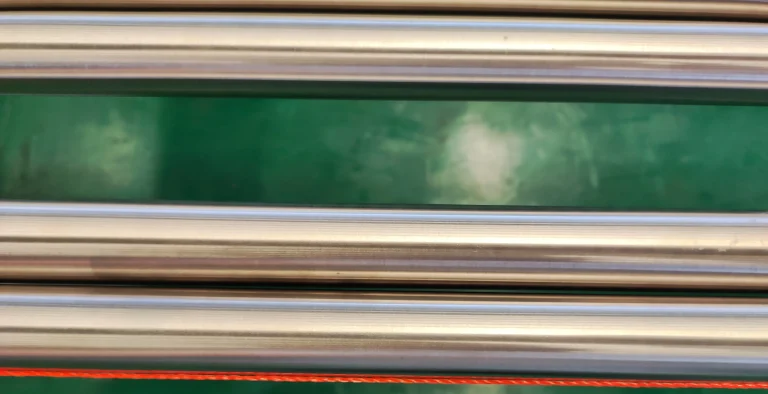
Physical property testing is the measurement of a steel pipe’s inherent physical characteristics without permanently altering its chemical structure.Unlike mechanical testing—which measures how a material deforms under force—physical property testing evaluates how a material behaves naturally or reacts to environmental factors like heat,light,and moisture.
Methods for Physical Property Testing of Steel Pipes
Core Types of Physical Property Testing
| Fundamental & Geometric Properties | Measures fundamental traits like density, porosity,and dimensions including thickness.These metrics ensure structural uniformity,verify manufacturing tolerances,and confirm volume-to-mass consistency before materials undergo mechanical stress. |
| Thermal Properties | Evaluates material responses to temperature via thermal conductivity,expansion coefficients,and phase changes.It identifies melting and glass transition points to guarantee structural stability under extreme operational heat. |
| Optical Properties | Quantifies light interaction by measuring surface gloss,color consistency,haze,and refractive index.This ensures aesthetic uniformity across production batches and optimizes light transmission for optical components. |
| Electrical & Magnetic Properties | Assesses electromagnetic behavior by measuring volume resistivity,dielectric strength,and magnetic permeability.These tests determine electrical insulation or conduction efficiency and evaluate performance within electronic systems. |
| Environmental & Surface Interactions | Analyzes environmental resistance through water absorption,gas permeability,and contact angle testing.These methods predict long-term weathering,evaluate packaging barrier efficiency,and ensure coatings bond without peeling. |
Testing Areas in Physical Property Testing
Stainless Tubings Supplier in china
What is Mechanical Property Testing?
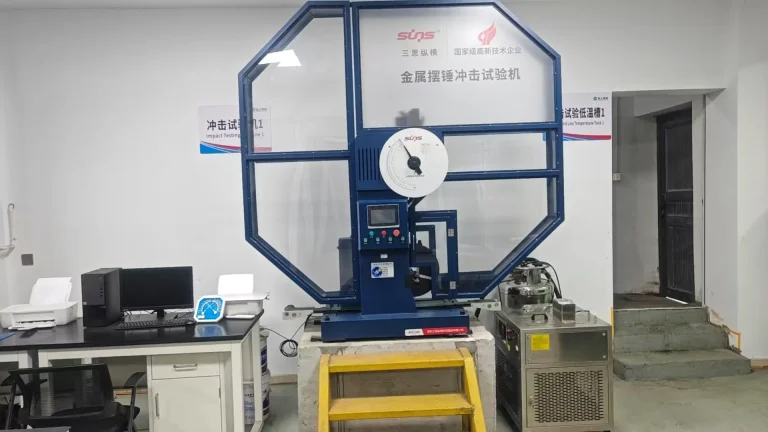
Mechanical property testing is the destructive or non-destructive evaluation of a material to determine how it responds to external physical forces,loads,and stresses.Unlike physical property testing,mechanical testing forces a material to deform,stretch,bend,or break to calculate its structural strength,elasticity,and durability.
Methods for Mechanical Property Testing of Steel Pipes
Core Types of Mechanical Property Testing
| Strength & Deformation Tests | These tests pull,crush,or bend materials to evaluate basic load-bearing limits.Methods like tensile and compression testing measure yield strength and ductility,showing how materials deform under static forces. |
| Durability & Lifetime Tests | Evaluating long-term survival,these methods simulate real-world aging under continuous or repeating stress.Fatigue testing applies cyclic loads to predict failure,while creep testing tracks deformation over decades under heat. |
| Surface & Structural Resistance Tests | This category measures localized toughness and wear resistance.Hardness tests evaluate scratch and dent resistance using sharp indenters,while Charpy impact tests calculate the energy absorbed during sudden,violent collisions. |
Testing Areas in Mechanical Property Testing
Below are the 10 most critical applications of mechanical property testing.
What is the difference between physical and mechanical testing for steel pipes?
Physical property testing evaluates the inherent natural traits and environmental responses of the pipe.It generally uses non-destructive methods that do not damage or alter the pipe structure.
Mechanical property testing measures how the pipe responds to external forces until it deforms or breaks.These are destructive tests used to establish structural safety limits.
Is Hydrostatic Testing mandatory for every single steel pipe?
Yes,in almost all major international standards,it is a mandatory 100% inspection requirement.
According to standards like API 5L and ASTM A53,every pipe must be sealed,filled with water,and pressurized—typically to 1.5 times its rated working pressure.It physically verifies that the pipe body and weld seams are completely leak-free and structurally sound before shipment.
Why do welded steel pipes need to undergo a Flattening Test?
The flattening test is used to evaluate the ductility of the steel and the bonding quality of the weld seam.
A short pipe ring sample is compressed between two parallel hydraulic plates.For welded pipes,the weld is placed at a specific angle.If any cracks,opening of welds,or internal laminations occur before reaching the specified plate distance,the batch fails.
Why is Charpy Impact Testing critical for oil and gas transmission pipelines?
Charpy impact testing measures the low-temperature toughness of the steel to prevent catastrophic brittle fractures.
In freezing environments,steel can become brittle like glass.By striking a notched sample with a heavy swinging pendulum,this test measures how much energy the steel absorbs during fracture.High impact energy means the pipe will dent safely rather than rupture uncontrollably over miles if struck externally.
How does Holiday Detection work on steel pipe coatings?
Holiday detection utilizes the physical principle of electrical insulation.
Anti-corrosion coatings are non-conductive,while the underlying steel pipe is highly conductive.An inspector passes a high-voltage probe over the coated surface.If there is a microscopic pinhole (“holiday”) or crack,the electricity jumps through the gap to touch the steel,triggering an instant audible alarm to locate the flaw.
write to us
Have a Question?
Contact Us!
Should you have any questions regarding stainless steel pipes, including manufacturing processes, chemical composition or other unfamiliar matters, our staff will be happy to assist you.