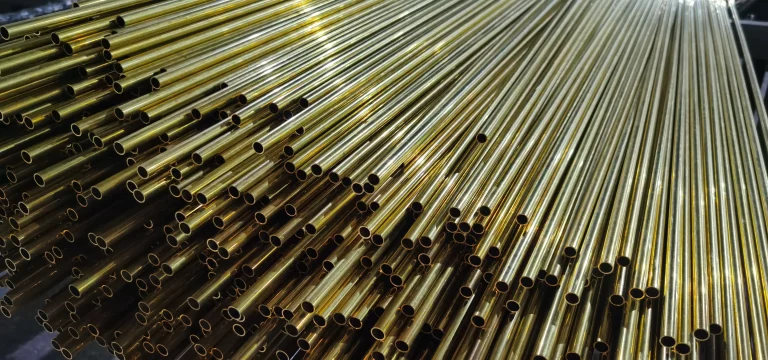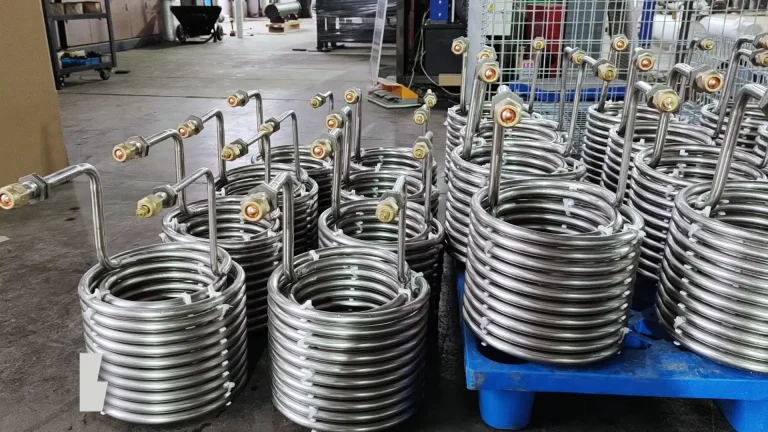
Hastelloy C276 Pipes
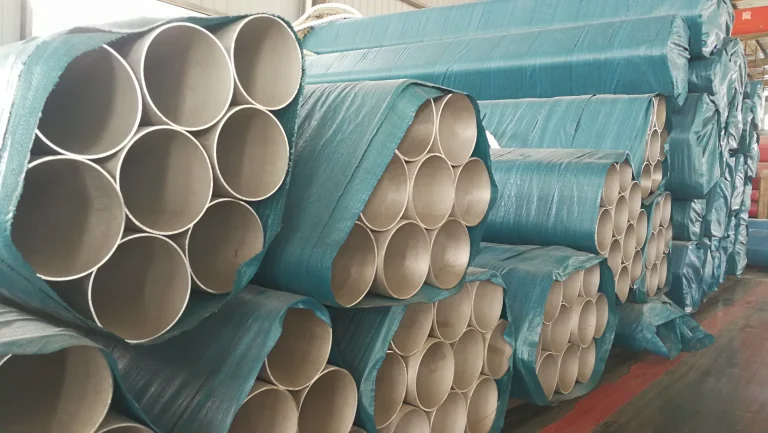
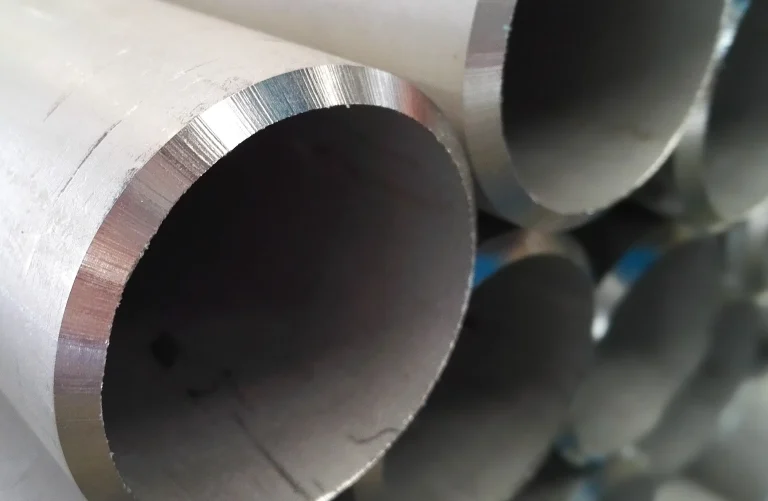
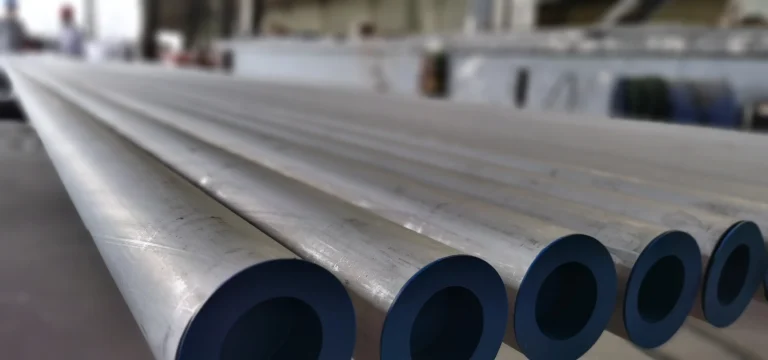
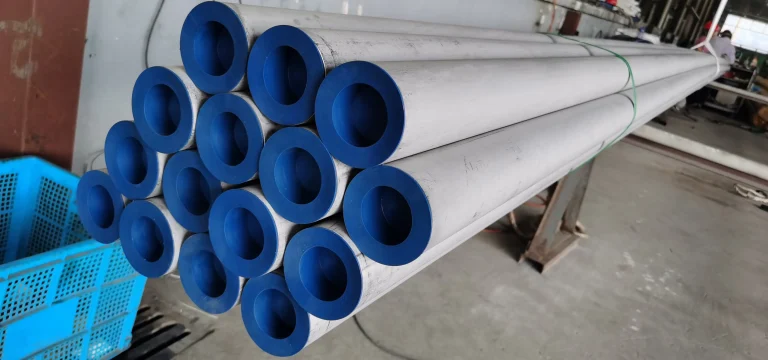
We supply High-quality Hastelloy C276 pipes made in China,offering certified seamless pipes in sizes ranging from 1/2“ to 16”. Small-batch available.
Directly from the manufacturer,no middleman markup.Passed multiple domestic and international tests,with third-party inspection available.
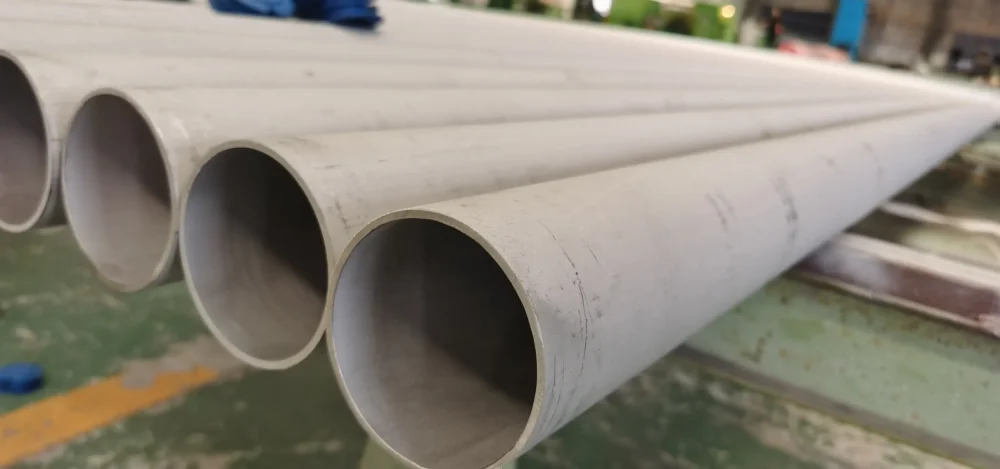
Specification of Hastelloy C276 Pipes
| Product | Hastelloy C276 Pipes |
| Dimension Range | Seamless Pipe & Tube: Outside Diameter (OD): 3 – 600 mm Wall Thickness (THK): 0.5 – 30 mm Length (L): 0.5 – 12 m Welded Pipe & Tube: Outside Diameter (OD): 6 – 200 mm Wall Thickness (THK): 0.35 – 6 mm Length (L): 0.5 – 12 m Capillary Tube: Outside Diameter (OD): 0.4 – 16 mm Wall Thickness (THK): 0.1 – 3 mm Length (L): 0.5 – 12 m Coil Tube: Outside Diameter (OD): 0.4 – 16 mm Wall Thickness (THK): 0.1 – 3 mm Length (L): 50 – 1000 m Thick-walled Pipe: Outside Diameter (OD): 10 – 600 mm Wall Thickness (THK): 2.5 – 100 mm Length (L): 0.5 – 12 m The size can be customized according to ASME B36.10 / ASME B36.19 |
| Schedules | SCH 5, 10, 40, 80, 160, XXS, XXH |
| Materials | Hastelloy C276 | UNS N10276 | W.Nr.2.4819 | DIN/EN 2.4606 |
| Standards | ASTM B622 / ASME SB622: For Seamless Pipes And Tubes. ASTM B619 / ASME SB619: For Welded Pipes. ASTM B626 / ASME SB626: For Welded Tubes. |
| Welding Process | GTAW (TIG/Gas Tungsten Arc Welding) GMAW (MIG/Gas Metal Arc Welding) SMAW (Shielded Metal Arc Welding) PAW (Plasma Arc Welding) |
| Welding Materials | To ensure the weld’s corrosion resistance is no less than that of the base metal,it is generally recommended to use filler metal of the same or higher performance. Typically, ERNiCrMo-4 is selected for welding wire, and ENiCrMo-4 for welding rods. If you have specific welding material requirements, please contact us. |
| Surface Finish | Thermal & Chemical Finishing: Annealed and Pickled (AP) Bright Annealing (BA) Mechanical Finishing: Polishing(From No. 4 (brushed/satin) To No. 8 (mirror finish)) Bead Blasting / Grinding Centerless Grinding Advanced Finishing for High-Purity: Electropolishing (EP) Post-Welding Surface Treatment: Solution Annealing Weld Seam Removal Stainless Steel Brushing |
| Applications | Chemical Processing Oil & Gas Pollution Control Pulp & Paper Waste Treatment Power Generation Medical Devices Food Industry Aerospace Marine Vessels C276 exhibits excellent corrosion resistance in strong acid and mixed acid environments (e.g., sulfuric acid,salt spray environments,etc.). |
| Our Strength | Fast Delivery Various Materials Customized Fabrication Available Package Supplying of Piping Materials Overlay Process Third Party Inspection Available |
For more information on Hastelloy C276 pipes and other products, please contact us.
Hastelloy C276 Pipes Chemical Composition (%)
| Ni | Cr | Fe | Mo | W | Co |
| Balance | 14.5 – 16.5 | 4 – 7 | 15 – 17 | 3 – 4.5 | ≤ 2.5 |
| C | Mn | Si | S | P | V |
| ≤ 0.01 | ≤ 1 | ≤ 0.08 | ≤ 0.03 | ≤ 0.04 | ≤ 0.35 |
Hastelloy C276 Pipes Mechanical Properties(Typical value range)
| Tensile Strength | Yield strength | Elongation | Hardness |
| ~ 690 – 790 MPa | ~ 283 – 355 MPa | ≥ 40 % | ≤ 90 – 95 HRB |
Strain Hardening and Evolution of Mechanical Properties
The work hardening rate of C276 is significantly higher than that of ordinary stainless steel.This table provides reference values for cold bending and cold drawing processes applied to piping.
| Cold Working Degree (%) | Tensile Strength (MPa) | Yield strength (MPa) | Elongation (%) | Hardness |
| 0 (Annealed Condition) | 810 | 360 | 50 | 90 HRB |
| 10% | 930 | 620 | 35 | 22 HRC |
| 30% | 1240 | 1030 | 12 | 35 HRC |
| 50% | 1550 | 1380 | 4 | 45 HRC |
Note:
If cold-bent deformation of the pipe exceeds 15%,the latest 2026 process specifications typically require re-annealing for solution treatment to eliminate residual stresses and restore resistance to stress corrosion cracking.
Hastelloy C276 Pipes Physical Properties
| Density | Melting Point | Modulus of Elasticity |
| 8.89 g/cm3 0.321 lb/in3 | 1325 – 1370℃ 2415 – 2500℉ | 205 GPa 29.8 x 10⁶ psi |
| Thermal Conductivity | Coeff. of Thermal Expansion | Specific Heat |
| 9.8 W/m·K 67.9 Btu·in/ft2·hr·℉ | 11.2 μm/m·℃(25-100℃) | 427 J/kg·K 0.102 Btu/lb·℉ |
Advanced Thermophysical Properties Table
| Temperature Conditions | Modulus of Elasticity (GPa) | Average Linear Expansion Coefficient (μm/m·℃) | Thermal Conductivity (W/m·K) |
| 25℃ | 77℉ | 205 | – | 10.2 |
| 200℃ | 392℉ | 195 | 12.1 | 12.0 |
| 400℃ | 752℉ | 184 | 12.8 | 14.5 |
| 600℃ | 1112℉ | 172 | 13.5 | 17.2 |
| 800℃ | 1472℉ | 160 | 14.4 | 20.5 |
Hastelloy C276 Pipes Surface Finishes
| Finish Type | Common Designation | Visual Appearance | Primary Use |
| Pickled | NO.1 / 2B | Dull Matte / Grey | General Industrial / Chemical |
| Bright Annealed | BA | Highly Reflective | Heat Exchangers / Food Industry |
| Polished | #180, #320, #400 Grit | Satin to Mirror | Ornamental / Pharmaceutical |
| Electropolished | EP | Ultra-Smooth / Mirror | Semiconductor / Biotech |
Pressure Rating of Hastelloy C276 Pipes
| NPS (Inches) | Outside Diameter (OD) | Schedule 10S (PSI) | Schedule 40S (PSI) | Schedule 80S (PSI) |
| 1/8 | 0.405″ | 18,150 | 25,175 | 35,175 |
| 1/4 | 0.540″ | 18,050 | 24,450 | 33,050 |
| 3/8 | 0.675″ | 14,450 | 20,225 | 28,000 |
| 1/2 | 0.840″ | 11,600 | 14,825 | 26,250 |
| 3/4 | 1.050″ | 9,275 | 11,850 | 22,000 |
| 1 | 1.315″ | 7,425 | 12,450 | 20,425 |
| 1-1/4 | 1.660″ | 5,875 | 9,850 | 17,250 |
| 1-1/2 | 1.900″ | 5,125 | 8,600 | 15,800 |
| 2 | 2.375″ | 4,100 | 6,875 | 13,775 |
| 3 | 3.500″ | 3,550 | 5,150 | 9,250 |
| 4 | 4.500″ | 2,750 | 4,000 | 7,900 |
Weight of Hastelloy C276 Pipes (Estimated)
| OD (Inches) | OD (Inches) | Sch 10 (lb/ft) | Sch 40 (lb/ft) | Sch 80 (lb/ft) |
| 1/2″ | 0.840 | 0.72 | 0.92 | 1.15 |
| 1″ | 1.315 | 1.48 | 1.81 | 2.37 |
| 2″ | 2.375 | 2.85 | 3.96 | 5.37 |
| 4″ | 4.500 | 5.75 | 11.45 | 16.32 |
Sensitization of Hastelloy C276 Pipes: TTT data
| Exposure Temperature | Start of Precipitation (min) | Severe Sensitization Threshold (hours) | Precipitate |
| 1050℃ | 1922℉ | > 120 | > 10 | Small amount of M6C |
| 950℃ | 1742℉ | 5 – 10 | 1.5 | μ-phase , M6C |
| 850℃ | 1562℉ | 2 – 4 | 0.5 | Highest Risk Zone (Peak Precipitation) |
| 750℃ | 1382℉ | 10 – 20 | 2.5 | μ-phase |
| 650℃ | 1202℉ | > 180 | > 24 | Extremely Slow Precipitation |
Electrochemical reactivation rate under sensitized conditions
(EPR test data)
The Double Loop Electrochemical Reactivation (DL-EPR) method is commonly used to quantitatively assess the degree of sensitization.
| Specimen Condition | Peak Active Current (Ia) | Peak Reactivation Current (Ir) | Ir / Ia Ratio | Sensitization Conclusion |
| Fully Solution-treated (Quenched At 1121℃) | 120 mA | 0.12 mA | < 0.1% | Non-sensitizing |
| Weld Heat-Affected Zone (Normal Welding) | 125 mA | 0.85 mA | ~0.7% | Minor, does not affect usage |
| Weld Heat-Affected Zone (Overheated) | 130 mA | 6.50 mA | ~5.0% | Moderate Sensitization (Hazardous) |
| Sensitizing Heat Treatment (850℃, 1h) | 145 mA | 22.0 mA | > 15% | Severe Sensitization (Risk of Failure) |
Sensitization Reduction Table for Localized Corrosion Critical Values
Once sensitization occurs in a pipeline,even if no corrosion is visible macroscopically,its critical threshold for resisting localized corrosion will significantly decrease.
| Performance Specifications | Solution Annealed | Sensitized | Performance Loss Rate |
| ASTM G48 Critical Point Temperature (CPT) | > 100℃ | 212℉ | ~75℃ | 167℉ | -25% |
| ASTM G48 Critical Crack Corrosion Temperature (CCT) | 50℃ | 122℉ | ~35℃ | 95℉ | -30% |
| PREN Effective Value (Due to Molybdenum Depletion at Grain Boundaries) | 68.0 | ~45.0 (Localized Grain Boundary) | -34% |
| Elongation | 50% | 38% | -24% |
How to Control Sensitization in Hastelloy C276 Pipes
Ultra-Low Carbon Control (VIM+VAR Melting):
By combining Vacuum Induction Melting (VIM) with Vacuum Arc Remelting (VAR), carbon content is suppressed below 0.005%.This significantly shifts the TTT curve to the right, providing a wider welding window.
Low Heat Input Welding:
During tube manufacturing, welding heat input is restricted to less than 0.8 kJ/mm to rapidly traverse the sensitization zone.
Post-Weld Heat Treatment (PWHT):
For extra-thick C276 pipes exceeding 15 mm wall thickness where cooling rates cannot be controlled, the latest 2026 specifications recommend re-solution treatment at 1121℃(2049.8℉).
Corrosion of Hastelloy C276 Pipes in Hydrochloric Acid (HCl)
Hastelloy C276 offers excellent resistance to hydrochloric acid at room temperature across all concentrations.Its performance decreases with increasing temperature, especially with high concentrations or the presence of oxygen.
The following table summarizes expected corrosion behavior based on concentration and temperature data (corrosion rates are typically <0.13 mm/year below the 5 mpy line and 0.13-0.51 mm/year between the 5 mpy and 20 mpy lines):
| HCl Concentration (%) | 0 – 20% | 10% | 20% | 30% | >30% |
| Temperature | Up to boiling point | ~79℃ (175℉) | ~52℃ (125℉) | ~38℃ (100℉) | Elevated temperatures |
| Expected Corrosion Rate | Very safe (rates < 0.1 mm/y) | Rates below 0.1 mm/y | Rates > 0.5 mm/y expected above certain points | ||
Corrosion of Hastelloy C276 Pipes in Sulfuric Acid (H₂SO₄)
Hastelloy C276 is widely used in applications involving a wide range of sulfuric acid concentrations and temperatures.However,in concentrations between 10% and 90%,corrosion can be significant at temperatures even below 100℃ (212℉).The presence of chloride ions,even in small amounts (like 200 ppm),can accelerate the corrosion rate significantly.
Corrosion rates (in mm/year) for specific concentrations and temperatures can be found in detailed diagrams,with the “very safe” region (corrosion rate < 0.13 mm/year or 5 mpy) defined by a curve that falls rapidly as concentration goes from 0% to 90% and temperature increases:
| H₂SO₄ Concentration (%) | 10% | 30% | 50% | 60% | 70% |
| Temperature | 93℃ (200℉) | 66℃ (150℉) | 38℃ (100℉) | 52℃ (125℉) | 38℃ (100℉) |
| Corrosion Rate Range (mpy) | 5-20 mpy | <5 mpy | 5-20 mpy | <5 mpy | |
Note:The data is based on laboratory tests in reagent-grade acids and should be verified with field tests for specific industrial applications.The actual performance can be affected by impurities or oxygen content in the acid solution.
Core Indicators for Pitting Resistance Performance
| Performance Specifications | Typical Values, Evaluation, and Application Reference |
| PREN | 64.0 – 74.0 , Significantly higher than super duplex steel (approximately 40-45) and 316L (approximately 24) |
| CPT(Critical Pitting Temperature) | In the ASTM G48 standard test, pitting corrosion is extremely difficult to induce even under boiling conditions. |
| CCT(Critical Crevice Corrosion Temperature) | Compared to pitting corrosion, crevice corrosion is the primary concern in extremely harsh chloride environments. |
Crevice Corrosion Resistance Performance
According to ASTM G48 (6% ferric chloride solution, tested for 72 hours) and other industrial standard tests:
| Performance Specifications | Typical Temperature,Evaluation,and Recommended Application Environment |
| Critical Crevice Corrosion Temperature (CCCT) | 45℃ – 50℃(113℉ – 122℉) , Performs exceptionally well in normal seawater temperatures, but caution is advised above 50℃. |
| Yellow Death Solution Test | 60℃(140℉) , Performance in extremely harsh acidic chloride environments |
| Maximum Operating Temperature (Resistance to Crevice Corrosion) | ~400℃(750℉) , Refers to the range of stable mechanical properties, but the risk of crevice corrosion increases dramatically with rising temperatures. |
Core Competencies for SCC Prevention
According to ASTM G48 (6% ferric chloride solution, tested for 72 hours) and other industrial standard tests:
| Types of Corrosive Environments | Performance Evaluation and Description |
| Chloride Solution (e.g., boiling MgCl₂) | Excellent (crack resistance).In standard testing (42% MgCl₂ boiling solution),C276 typically remains crack-free after exceeding 1000 hours of testing,whereas 316L usually fractures within a few hours. |
| Hydrogen Sulfide Acidic Environment(H2S) | Excellence (SSC-resistant). Compliant with NACE MR0175/ISO 15156 standards, it is the material of choice for high-pressure deep wells and acidic oil and gas extraction. |
| Oxidizing Chloride (e.g., FeCl3) | Extremely high.Combining high chromium and high molybdenum content,it resists both localized corrosion and the resulting stress cracking. |
| Sodium Hydroxide (Caustic Soda) Environment | Excellent, with good crack resistance in high-concentration, high-temperature alkali solutions. |
Resistance to seawater crevice corrosion
| Environmental Conditions | Occurrence of Crevice Corrosion | Corrosion Rate (mm/y) | Application Evaluation |
| Flowing Seawater At Ambient Temperature | None | < 0.001 | Excellent, suitable for high-speed heat exchanger piping |
| Seawater at ambient temperature and at rest | None/Extremely small | < 0.002 | Superior to Alloy 625, it is extremely resistant to cracking even under deposits. |
| Hot seawater (50℃ – 80℃ | 102℉ – 172℉) | Extremely low risk | < 0.01 | Extremely few materials can be used directly without lining in this environment. |
| Deep-sea high-pressure H₂S environment | None | < 0.002 | Suitable for subsea oil and gas pipelines, providing dual protection against SSC and crevice corrosion |
Maximum Allowable Stress at Different Temperatures
| Temperature | Maximum Allowable Stress | Strength reduction factor (relative to room temperature) |
| 40℃ | 100℉ | 172MPa | 25Ksi | 100% |
| 150℃ | 300℉ | 172MPa | 25Ksi | 100% |
| 260℃ | 500℉ | 156MPa | 22.7Ksi | ~90% |
| 370℃ | 700℉ | 143MPa | 20.8Ksi | ~83% |
| 480℃ | 900℉ | 134MPa | 19.5Ksi | ~78% |
| 540℃ | 1000℉ | 130MPa | 18.9Ksi | ~75% |
2026 Supplementary Data: ISO 15156 / NACE MR0175 Specification Table
For C276 pipelines operating in acidic oil and gas environments containing H2S,their hardness and service conditions are subject to extremely stringent limitations.
| Constraint | Limit Values and Explanations |
| Maximum Hardness | 35 HRC.Beyond this hardness level,the risk of hydrogen embrittlement increases dramatically. |
| Maximum Operating Temperature | 232℃ (450℉).Recommended upper limit in environments with extremely high concentrations of H2S. |
| Cold-worked Condition | Permitted,provided that the upper yield strength limit is met. |
write to us
Have a Question?
Contact Us!
Should you have any questions regarding stainless steel pipes, including manufacturing processes, chemical composition or other unfamiliar matters, our staff will be happy to assist you.