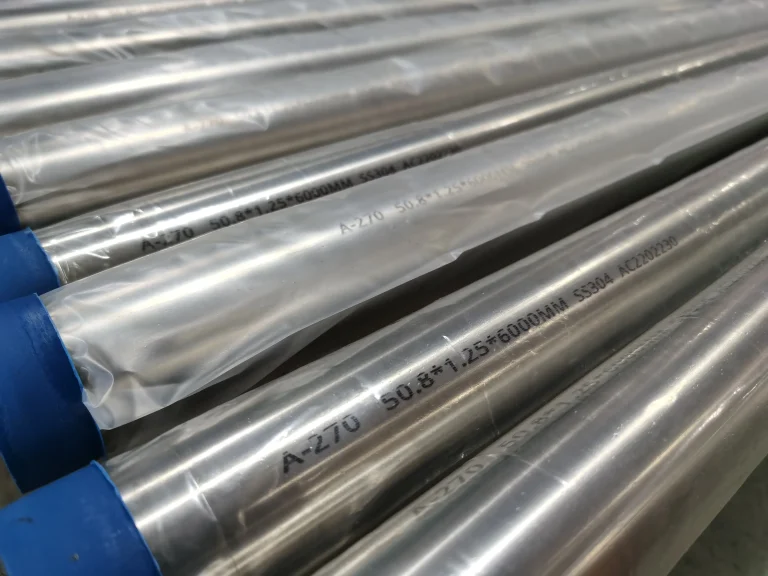
What are Seamless Pipes For Boilers And Heat Exchangers
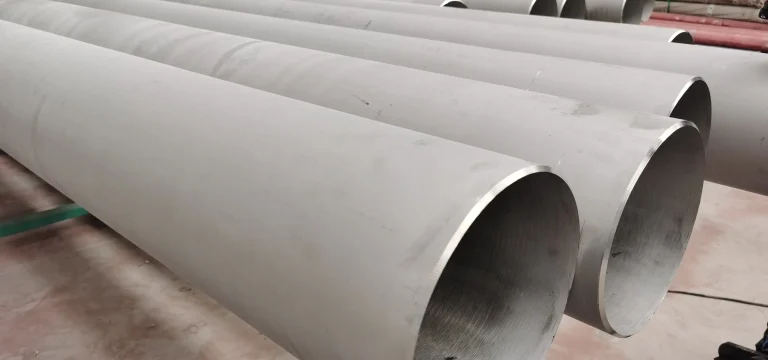
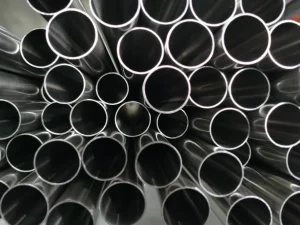
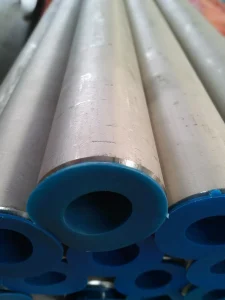
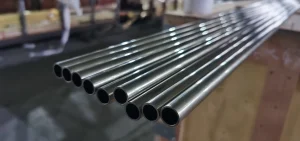
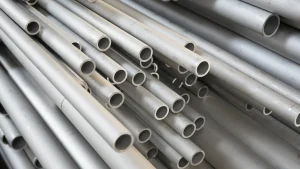
Seamless pipes for boilers and seamless pipes for heat exchangers are continuous hollow tubes manufactured by extruding or piercing solid billets.Compared to welded pipes,their most distinctive feature is the absence of weld seams,which results in a uniform microstructure and exceptional reliability,enabling them to withstand extremely high pressures and temperatures in industrial environments.
Core Strengths of Seamless Pipes For Boilers And Heat Exchangers
Common Standards of Seamless Pipes For Boilers And Heat Exchangers
| Critical Standards | Description/Usage |
| ASTM A213 / ASME SA213 | The most fundamental standard covers seamless ferritic and austenitic alloy steel tubes for boilers, superheaters, and heat exchangers. |
| ASTM A269 | General standards for seamless and welded austenitic stainless steel pipes, commonly used in general corrosion-resistant applications or environments with high or low temperatures. |
| EN 10216-5 | European standard for technical delivery conditions for seamless stainless steel tubes for pressure applications. |
| JIS G 3463 | Japanese Industrial Standard, specifically for stainless steel tubes used in boilers and heat exchangers. |
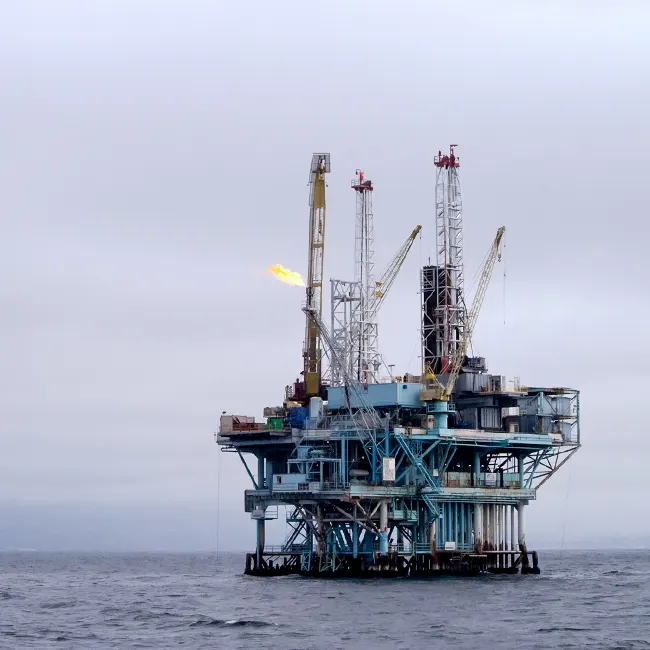
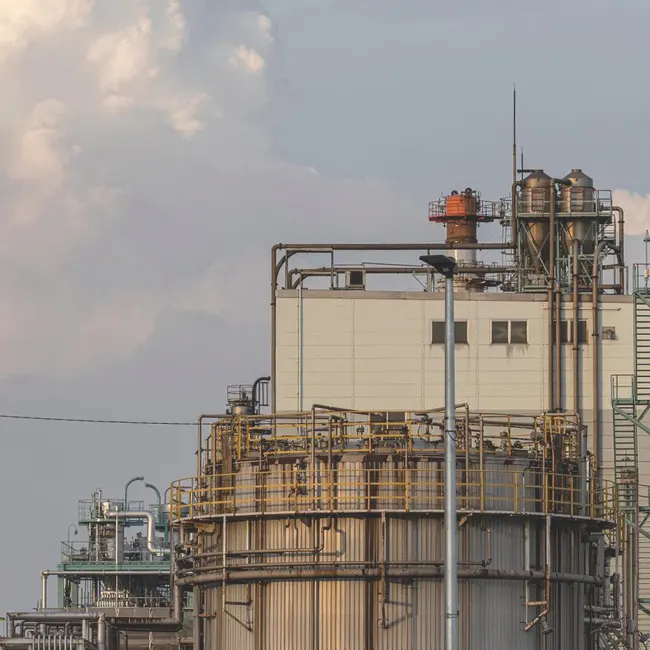
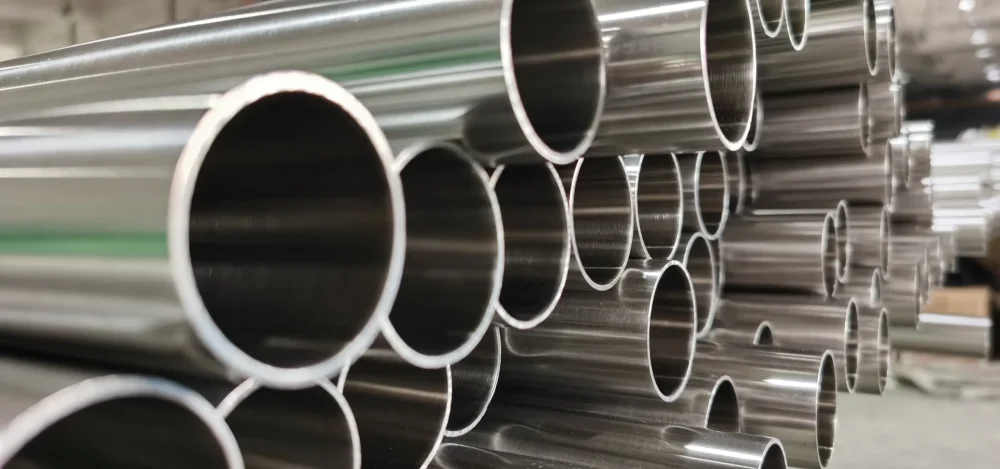
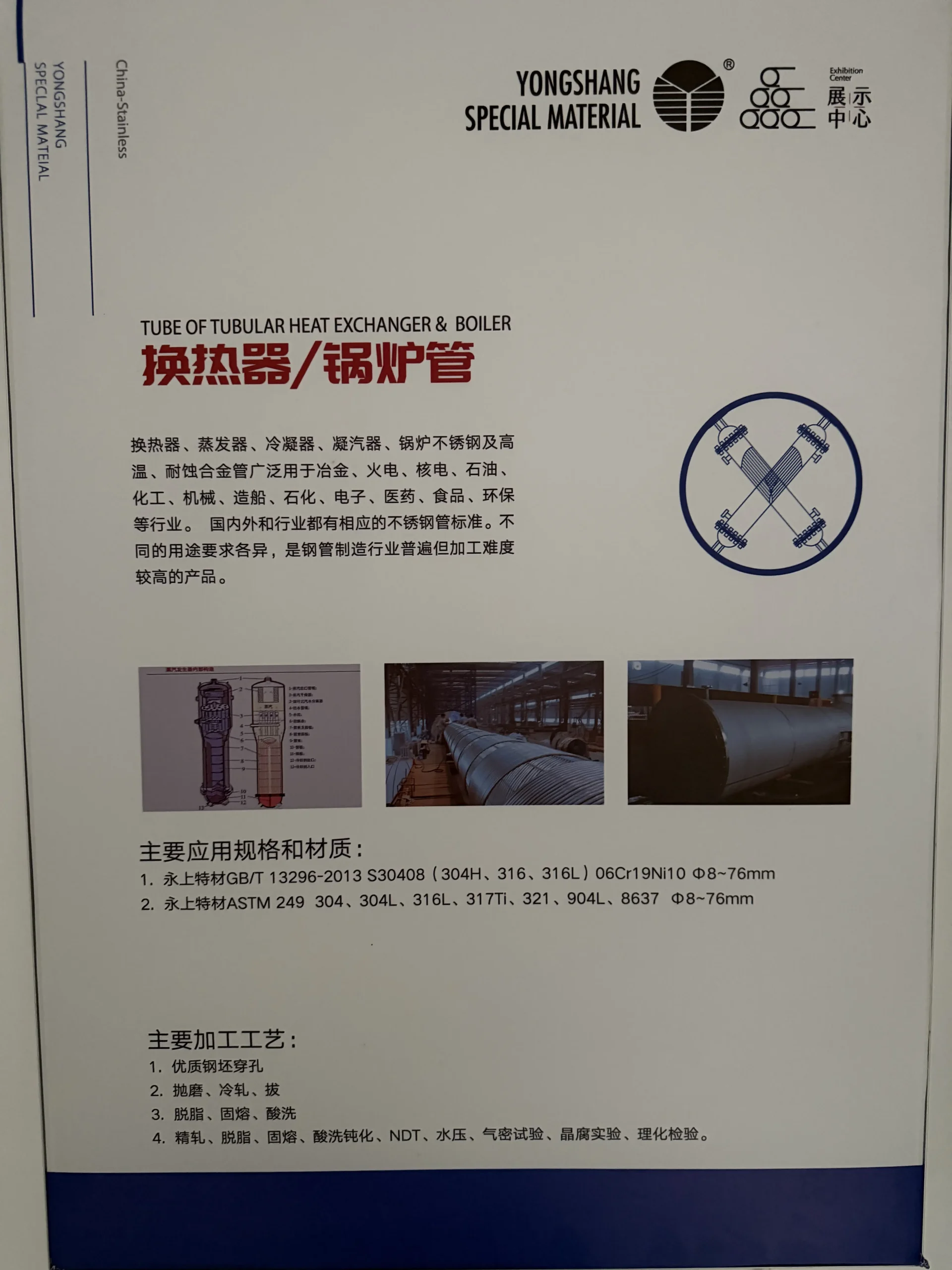
Stainless steel and high-temperature, corrosion-resistant alloy seamless pipes for heat exchangers, evaporators, condensers, steam condensers, and boilers are widely used in industries such as metallurgy, thermal power, nuclear power, petroleum, chemicals, machinery, shipbuilding, petrochemicals, electronics, pharmaceuticals, food processing, and environmental protection.
Both domestic and international standards, as well as industry-specific standards, exist for these stainless steel tubes. Given the diverse requirements of different applications, these products are common in the steel tube manufacturing industry but present significant challenges in terms of processing.
Stainless Tubings Supplier in china
Core Equipment and Heat Exchange Systems
These tubes serve as the “heart” of industrial heat transfer,ensuring the stable flow of energy between different media through their highly efficient heat transfer properties.
As core components for heating, cooling, or phase change of fluids, heat exchangers and evaporators rely on stainless steel and alloy pipes that must withstand frequent thermal cycling while maintaining extremely high thermal conductivity.
In power systems,condensers and steam condensers are responsible for cooling exhaust steam into water.Due to prolonged contact with cooling water,these components place extremely high demands on the pitting resistance of the tubing and the reliability of the seals.
In high-temperature,high-pressure environments,piping must not only withstand high-temperature steam but also possess exceptional creep resistance and oxidation resistance to ensure the long-term operational safety of the boiler.
Industrial Applications of Seamless Pipes for Boilers and Heat Exchangers
Energy and Power:
In the thermal and nuclear power sectors,it serves as a critical component of pressure vessels;in the petroleum and petrochemical sectors,it transports process media in harsh acidic or high-sulfur environments.
Heavy Industry and Infrastructure:
The metallurgy,shipbuilding,and machinery industries leverage its high strength and resistance to seawater corrosion to construct complex offshore equipment and heavy machinery cooling systems.
Specialized Industries and Consumer Goods:
In the electronics,pharmaceutical,and food industries,the cleanliness of the pipe’s inner walls and its chemical stability are key to preventing contamination and ensuring production compliance;in the environmental protection sector,it is widely used in exhaust gas and wastewater treatment and recycling systems.
Main Application Specifications and Materials
| Category | Grades | Standards | Size Range |
| Austenitic Stainless Steel | 304/304L, 304H, 304N/304LN, 310, 316/316L, 316H, 316Ti, 316N/316LN, 317/317L, 321/321H, 347/347H | GB Standards: GB/T 13296, GB/T 30059,GB/T 5310, GB/T 21833.1 | Outside Diameter (OD): Φ6mm – Φ426mm |
| Duplex & Super Duplex | S31803, S32205, S32750 | ASME/ASTM Standards: ASME SA213, ASME SA789,ASME SB163 | |
| Super Austenitic & Alloys | 904L, N08367 (AL-6XN), NS1401, N08020 (Alloy 20) | Industry Standards: NB/T 47019 (Pressure Vessels), JIS G3463 (Boiler/Heat Exchanger) | |
| High-Temp Power Plant Steel | 310HR3C, TP310HCBN (S31042), S30432 | ||
| Nickel-Based Alloys | Incoloy: N08800/N08810/N08811, N08825 Inconel: N06600, N06601, N06690 Monel: N04400 Nickel: N02200/N02201 |
Manufacturing Processes of Seamless Pipes for Boilers
Why should seamless pipes for boilers?
Seamless pipes are produced from a single solid billet,meaning they have no longitudinal weld seam.This eliminates potential weak points,allowing the pipes to withstand 20% higher pressures and providing uniform corrosion resistance.In high-pressure boiler environments,this “no-leak” reliability is critical for safety.
Which material grade is best for high-corrosion environments?
For environments containing chlorides or acids,316L is a standard choice due to its Molybdenum content.However,for extreme conditions (like seawater cooling),Duplex S32205 or Super Duplex S32750 are superior due to their high pitting resistance.For chemical resistance against specific acids,904L or Nickel Alloys (e.g., Alloy 825) are recommended.
Can you provide “U-bent” Seamless Pipes for heat exchangers?
Yes.Many heat exchangers require U-bent tubes to save space and manage thermal expansion.We provide precision bending according to drawings,followed by stress-relief annealing on the bend area to prevent stress corrosion cracking.
write to us
Have a Question?
Contact Us!
Should you have any questions regarding stainless steel pipes, including manufacturing processes, chemical composition or other unfamiliar matters, our staff will be happy to assist you.