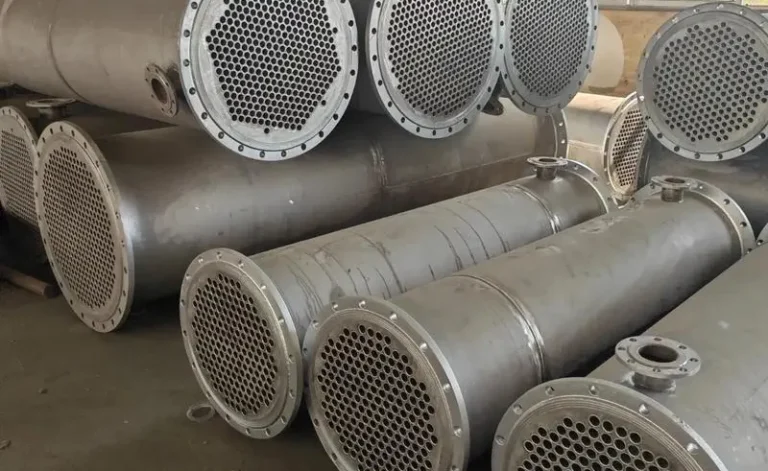
What are Sanitary stainless steel Pipes For Food And Pharmaceutical
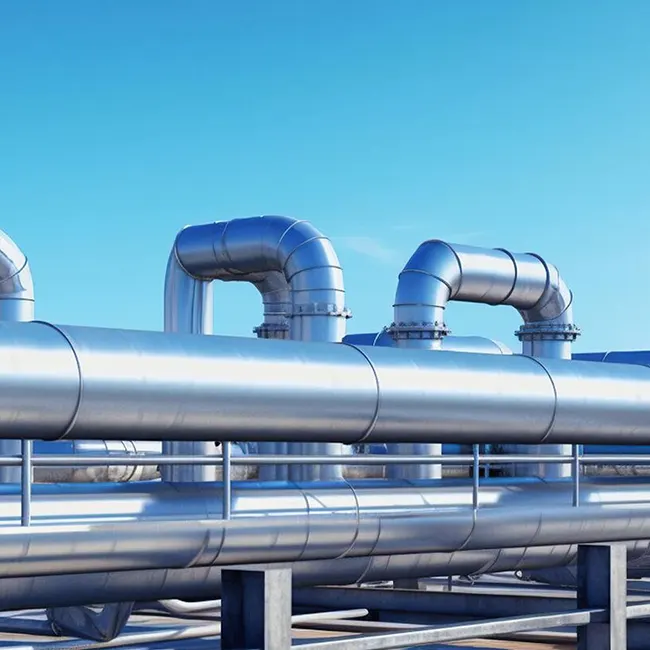
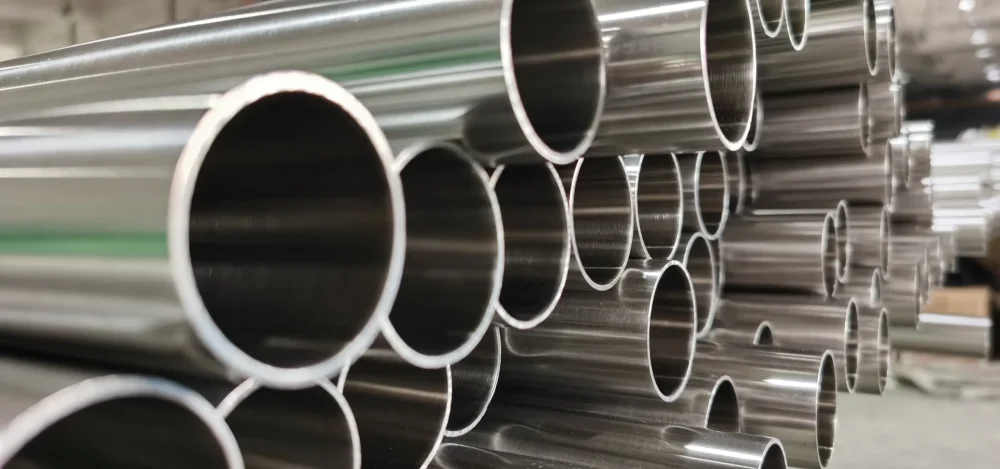
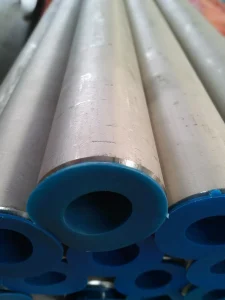
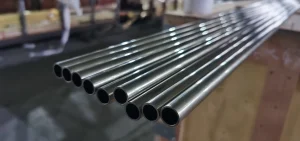
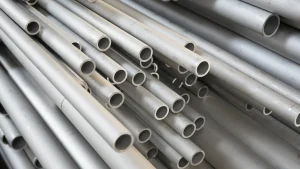
Sanitary stainless steel pipes,also known as sanitary tubing,are high-purity piping systems designed specifically for industries where hygiene and corrosion resistance are critical.Designed specifically for the food,beverage,pharmaceutical,and biotechnology industries,their primary design objectives are to ensure extremely high levels of cleanliness and prevent microbial growth.
Core Strengths of Sanitary stainless steel Pipes
Common Standards of Sanitary stainless steel Pipes
| Critical Standards | Description/Usage |
| ASME BPE | The primary standard for Pharmaceutical and Biotech industries.It mandates strict internal surface finishes (SF levels),specific sulfur content for Orbital Welding,and full material traceability. |
| ASTM A270 | The most widely used American Standard for seamless and welded austenitic stainless steel sanitary tubing.It is the baseline for Food,Dairy,and Beverage industries. |
| 3-A Sanitary Standards | Focuses on the Dairy and Food sectors in the USA.It ensures that piping and equipment are “cleanable to a microbiological level” to prevent bacterial harborages. |
| DIN 11850 / EN 10357 | The European Benchmark for stainless steel tubes used in the food and chemical industries.It defines metric dimensions and is standard for EU-manufactured processing lines. |
| ISO 2037 | An International Standard that specifies dimensions,tolerances,and surface roughness for stainless steel tubes in the food industry to ensure global compatibility. |
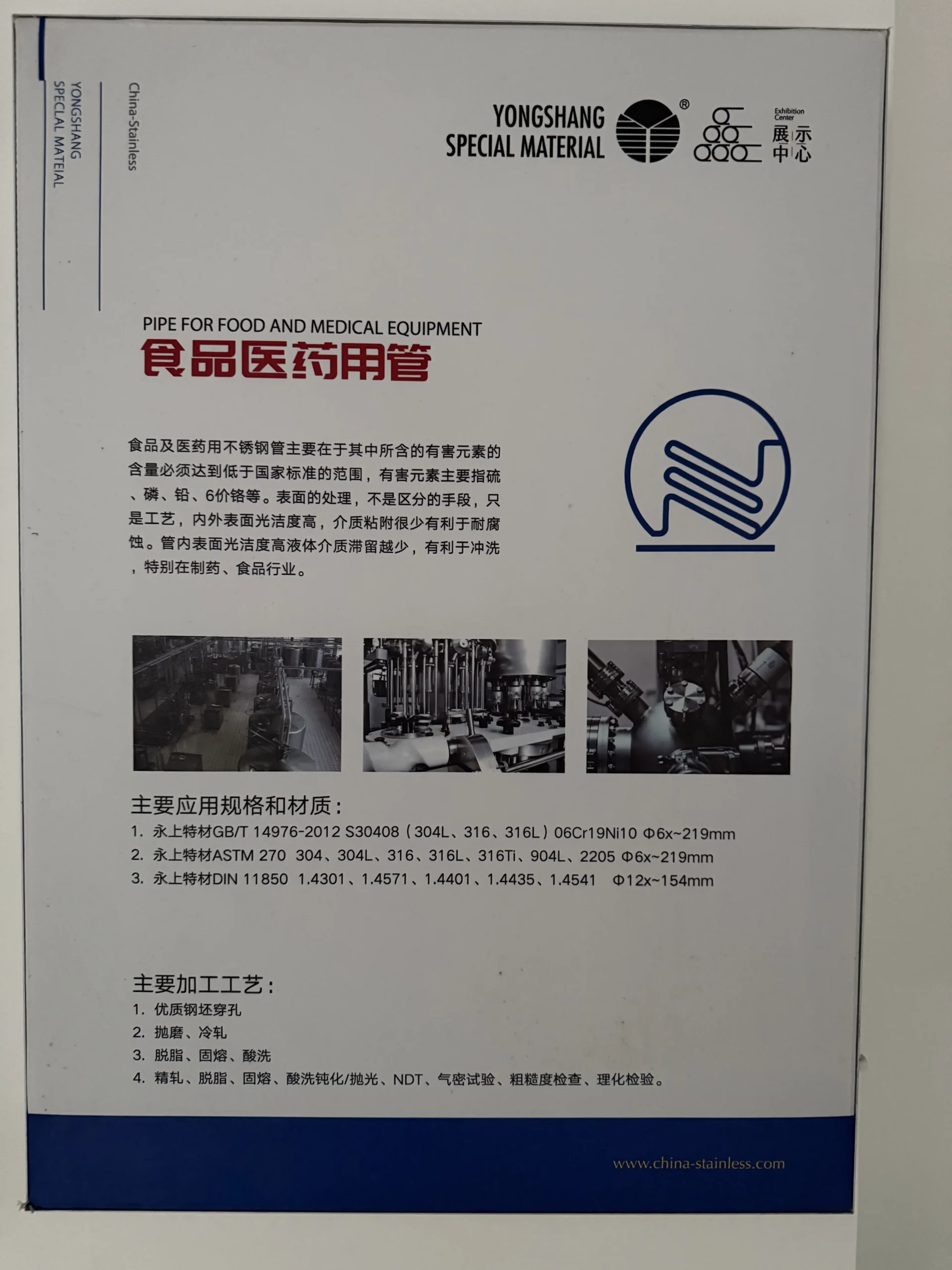
For sanitary stainless steel pipes and tubes used in the food and pharmaceutical industries,it is essential that the levels of harmful elements—primarily sulfur,phosphorus,lead,and hexavalent chromium—remain below national standards.
Surface treatment is not a means of classification but rather a manufacturing process.High surface finish on both the inner and outer surfaces minimizes media adhesion,thereby enhancing corrosion resistance.A high-finish inner surface reduces liquid residue,facilitating easier rinsing—a critical factor,particularly in the pharmaceutical and food industries.
Stainless Tubings Supplier in china
Applications of Sanitary stainless steel Pipes
Food & Beverage
Pharmaceutical & Biotech
Main Application Specifications and Materials
| Category | Grades | Standards | Size Range |
| Austenitic Stainless Steel | 304/304L, 316/316L, 316FW, 1.4435 | GB/T14976, YB/T6081, ASTM A270, DIN11850 | Outside Diameter (OD): Φ6 – Φ325 |
| Duplex Stainless Steel | S32205 | ||
| Super Duplex Steel | S32507 |
Manufacturing Processes of Sanitary Stainless Steel Pipes
Why is 316L Sanitary stainless steel Pipes preferred over 304 for pharmaceutical applications?
While 304 sanitary stainless steel pipes are commonly used in food processing,316L sanitary stainless steel pipes contain molybdenum,which provides superior resistance to pitting and chloride corrosion.In pharmaceutical environments,where pipes are frequently cleaned with aggressive chemicals (CIP/SIP),316L ensures a longer service life and prevents metallic contamination of sensitive products.
Why is “Solution Annealing” necessary for Sanitary stainless steel pipes?
During manufacturing,cold working can stress the steel and cause carbide precipitation.Solution Annealing (heating to ~1050°C and rapid cooling) dissolves these carbides back into the matrix,restoring maximum corrosion resistance and making the pipe more ductile for installation.
How do I choose between Seamless and Welded sanitary stainless steel pipes?
Seamless pipes are preferred for high-pressure applications and critical pharmaceutical processes where maximum structural integrity and corrosion resistance are required.
Welded pipes (often bead-reduced) are generally more cost-effective and offer excellent wall thickness consistency,making them ideal for many food and beverage lines.
What are the common end-connections for sanitary piping?
Tri-Clamp (Clover):The industry standard for easy disassembly and cleaning.
Butt-Weld:Provides the most hygienic, permanent connection.
Threaded (DIN/SMS):Common in certain European food processing equipment.
write to us
Have a Question?
Contact Us!
Should you have any questions regarding stainless steel pipes, including manufacturing processes, chemical composition or other unfamiliar matters, our staff will be happy to assist you.