What are Stainless Steel Pipes For Petrochemical Industry
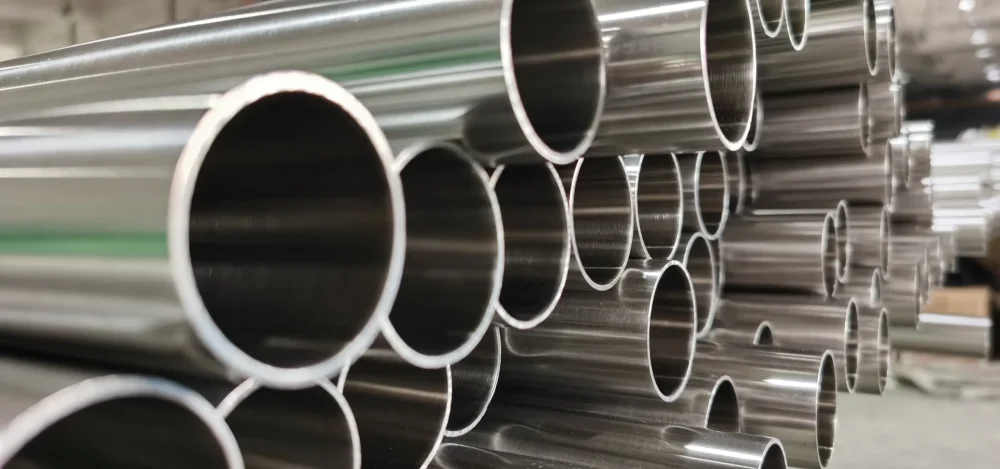
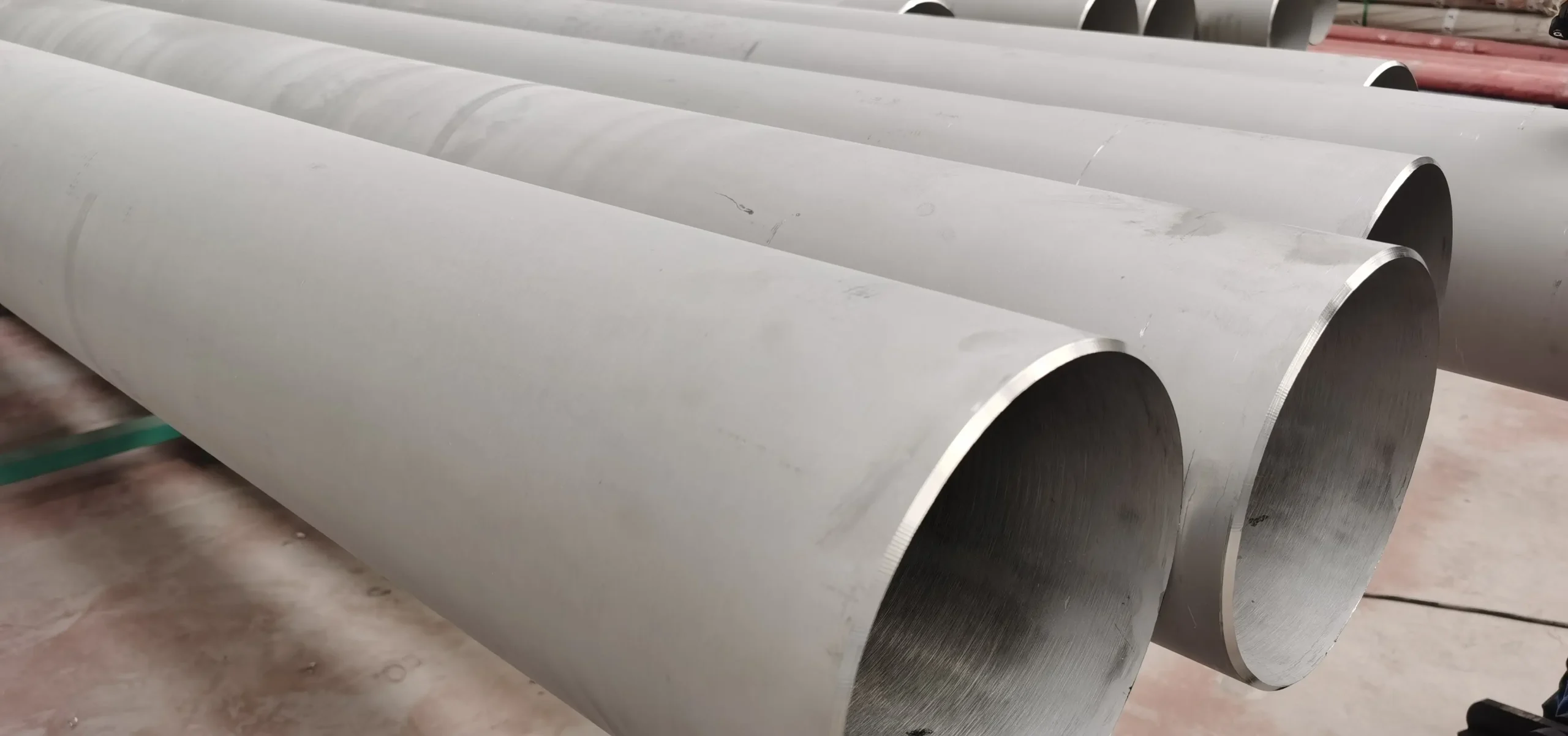
Stainless steel pipes for petrochemical industry applications can withstand the extreme temperatures,high pressures,and highly corrosive environments encountered in refining and chemical processing.Unlike ordinary carbon steel,stainless steel contains at least 10.5% chromium,which forms a “self-healing” protective oxide layer that prevents rust and chemical corrosion.
Core Strengths of Stainless Steel Pipes For Petrochemical Industry
Common Standards of Stainless Steel Pipes For Petrochemical Industry
| Critical Standards | Description/Usage |
| ASTM A312 / ASME SA312 | The industry standard for seamless,straight-seam welded,and heavily cold-worked welded austenitic stainless steel pipes. |
| ASTM A213 / ASME SA213 | Specifies seamless ferritic and austenitic steel boiler,superheater,and heat-exchanger tubes. |
| ASTM A358 / ASME SA358 | Covers Electric-Fusion-Welded (EFW) austenitic stainless steel pipe for high-temperature and large-diameter applications. |
| ASTM A790 / ASME SA790 | The standard for seamless and welded Duplex and Super Duplex stainless steel pipes. |
| ASTM A269 | Covers seamless and welded austenitic stainless steel tubing for general service. |
| ASTM A813 / A814 | Standards for single- or double-welded stainless steel pipe. |
| API 5LC | Established by the American Petroleum Institute, this specifically covers CRA (Corrosion Resistant Alloy) line pipe for the transport of gas, water, and oil in highly acidic environments. |
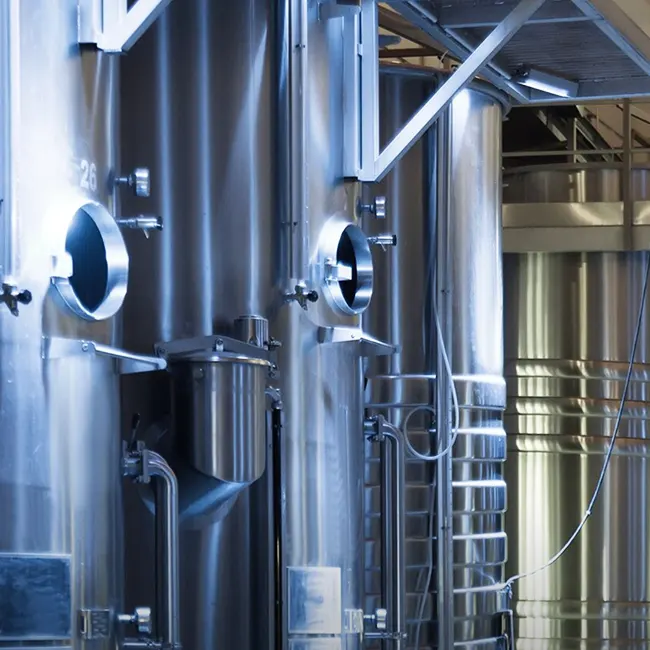
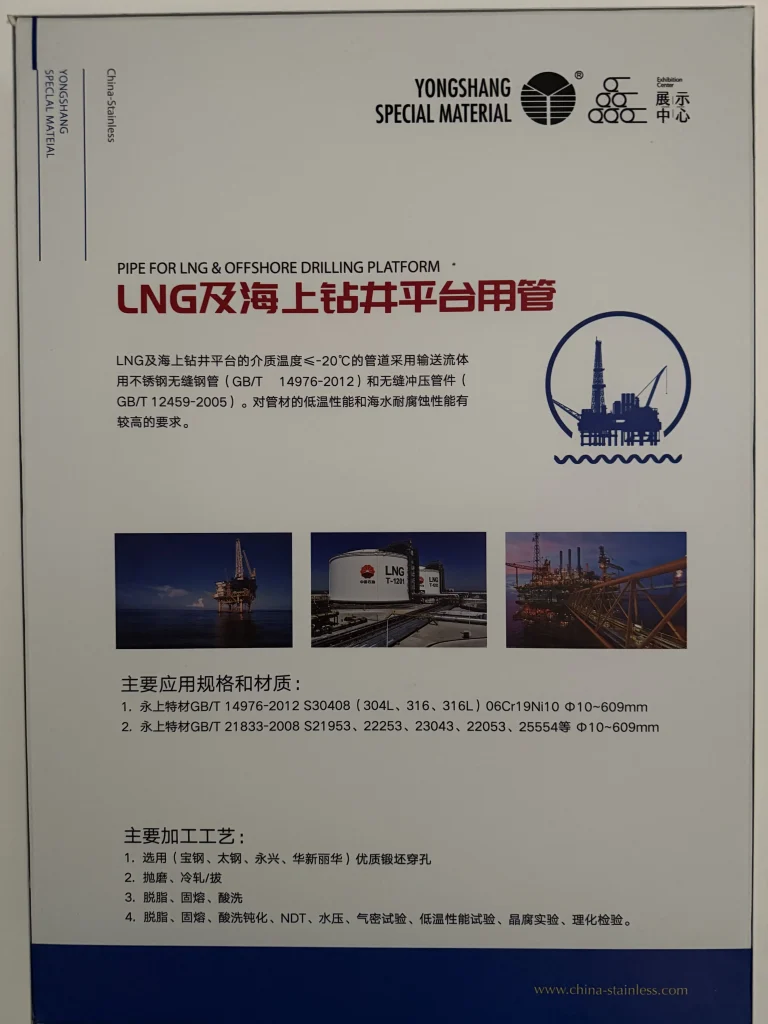
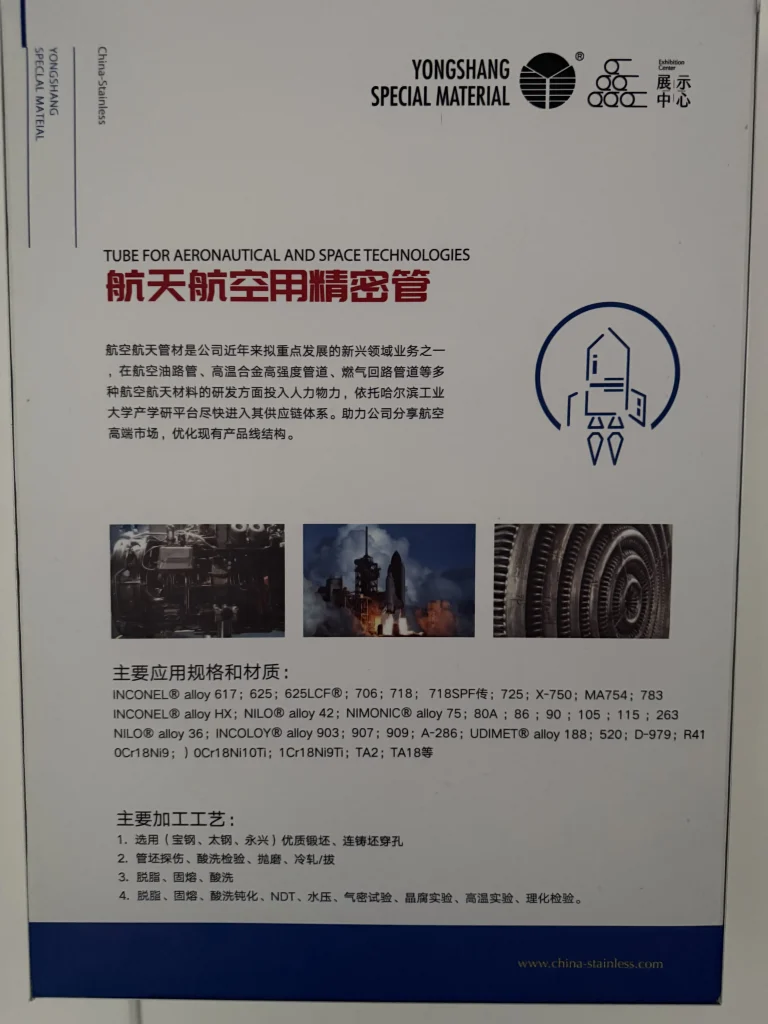
The petrochemical industry involves corrosive fluids such as acids,alkalis,and salts,and stainless steel pipes are characterized by their corrosion resistance and oxidation resistance.In the petrochemical sector,stainless steel pipes are primarily used in pipeline transportation systems,including high-pressure furnace tubes,piping,petroleum cracking tubes,fluid transport pipes,and heat exchange tubes.
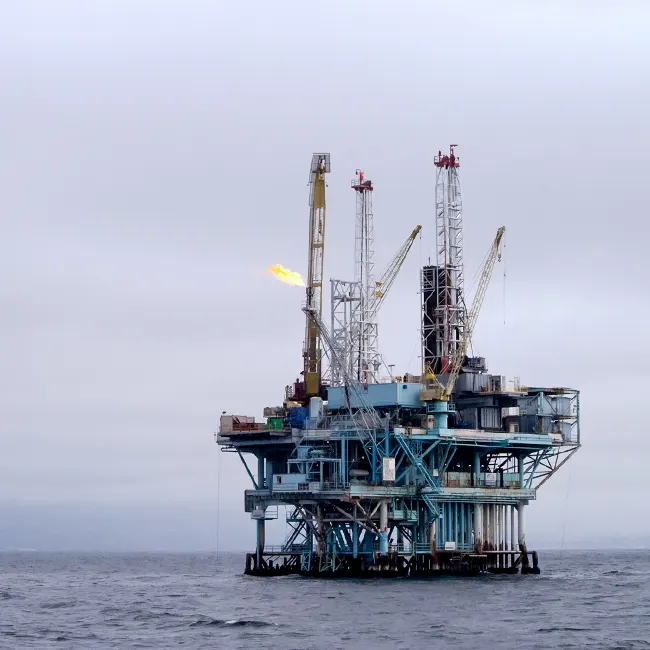
At the same time,stainless steel pipes play a crucial role in equipment manufacturing,oil extraction,and refining within the petrochemical industry,requiring the stainless steel to perform well under wet and acidic operating conditions.
Stainless Tubings Supplier in china
Applications of Stainless Steel Pipes For Petrochemical Industry
Heat Exchangers and Condensers:
These pipes facilitate thermal energy transfer between corrosive fluids.Stainless steel provides excellent thermal conductivity and resists fouling, ensuring that cooling systems remain efficient and leak-free in harsh chemical environments.
Distillation and Fractionation Towers:
Pipes in these towers transport volatile hydrocarbon vapors and acidic crude components. Stainless steel prevents corrosion from sulfur and naphthenic acids, maintaining structural integrity during the high-temperature refining process.
Catalytic Cracking Units:
Operating at extreme temperatures, these units require pipes with high creep resistance.Stainless steel grades like 310S ensure the system handles pressurized gases safely without deforming under intense thermal stress.
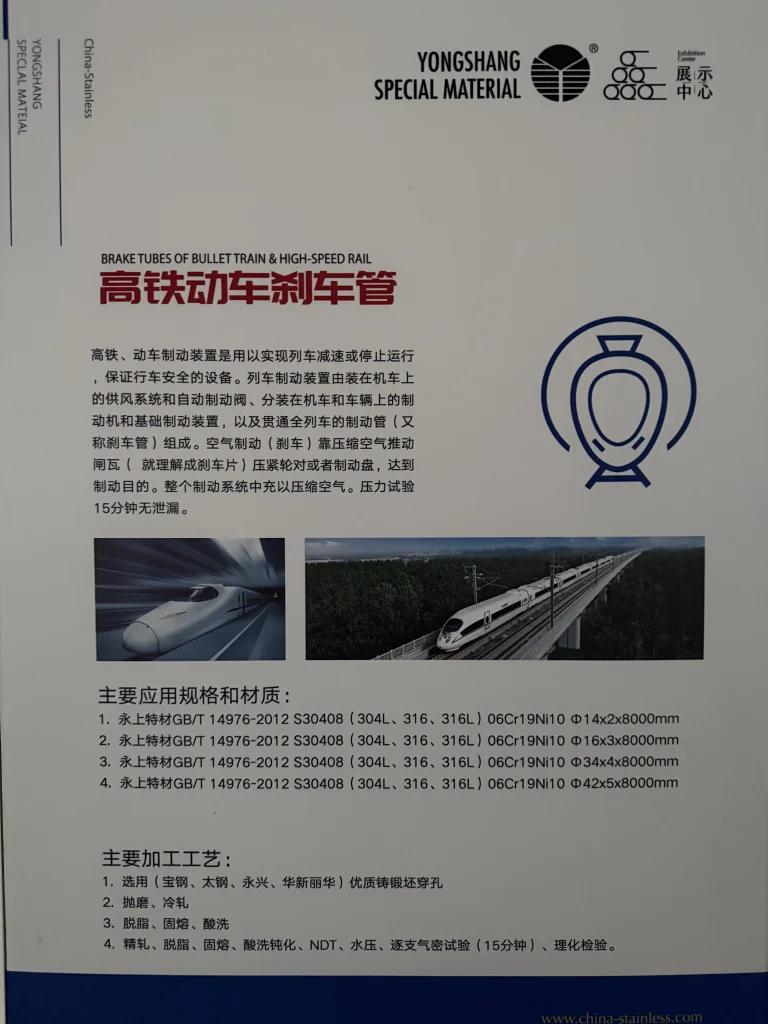
Main Application Specifications and Materials
| Category | Grades | Standards | Size Range |
| Austenitic Stainless Steel | 304/304L, 304H, 304N/304LN, 316/316L, 316H, 316Ti, 316N/316LN, 317/317L, 321/321H, 347/347H | GB/T 14976, GB/T 9948, GB/T 12771,ASME SA312, EN 10216-5, JIS G3459,GOST 9941, DIN 17456, DIN 17458 | Outside Diameter (OD): Seamless: Φ6 – Φ762 mm Welded: Φ6 – Φ3000 mm |
| Duplex & Super Duplex | S31803, S32205, S32750 | GB/T 21832, GB/T 21833, ASME SA790 | |
| Super Stainless Steel | 310, 904L, N08367, S31254, N08020 | GB/T 37614, NB/T 47047, ASME SB677, SH 20553 | |
| Nickel-Based Alloys | N08800/N08810/N08811, N08120, N06600, N06601, N04400, N08825, N02200/N02201, N06625 | ASME SB165, SB167, SB407, SB423, SB444, SB622 | |
| Hastelloy & High-Temp Alloys | C276, C22, C2000, B-2, B-3, GH3030, GH3039 | ASME SB622, NB/T 47047 |
Manufacturing Processes of Stainless Steel Pipes For Petrochemical
The manufacturing processes of stainless steel pipes for petrochemical applications are primarily divided into two categories:seamless pipes and welded pipes.To meet the high standards of the petrochemical industry,these processes are typically supplemented by complex finishing and inspection procedures.
When should I choose Seamless vs. Welded pipes?
Seamless:
Best for high-pressure and critical safety applications (e.g., high-pressure gas lines).It has no weld seam, eliminating the risk of a “weak point.”
Welded:
More cost-effective for large diameters and lower-pressure transport.With modern Non-Destructive Testing (NDT),welded pipes are increasingly used in mainstream petrochemical processes.
Why is stainless steel preferred over carbon steel in petrochemical plants?
While carbon steel is cheaper,it is highly susceptible to rust and chemical degradation. Stainless steel contains chromium,which creates a self-healing oxide layer.This is vital for handling corrosive fluids and maintaining structural integrity under extreme temperatures where carbon steel would become brittle or oxidize rapidly.
Which standards are most critical for petrochemical piping?
ASTM A312:The primary standard for austenitic stainless steel pipe.
ASME B31.3:The “Process Piping” code that dictates how these pipes must be designed and installed in a refinery.
write to us
Have a Question?
Contact Us!
Should you have any questions regarding stainless steel pipes, including manufacturing processes, chemical composition or other unfamiliar matters, our staff will be happy to assist you.