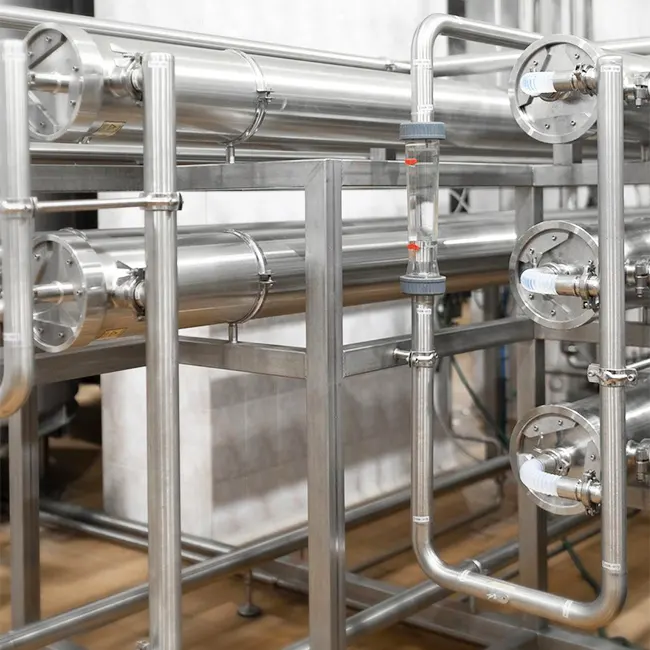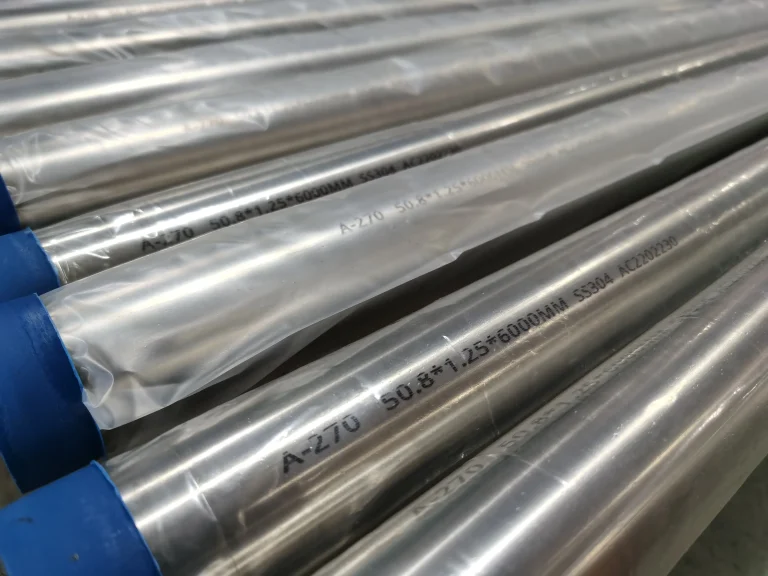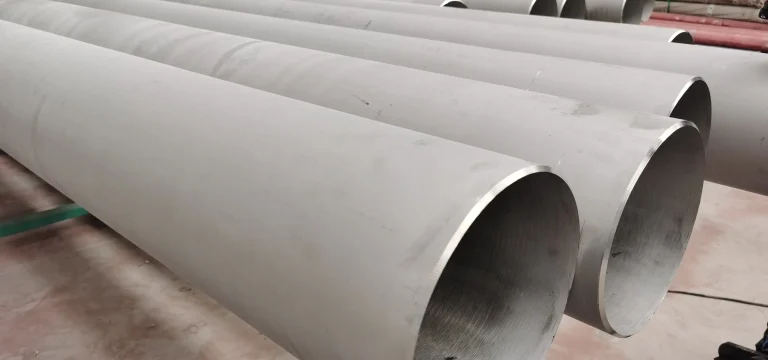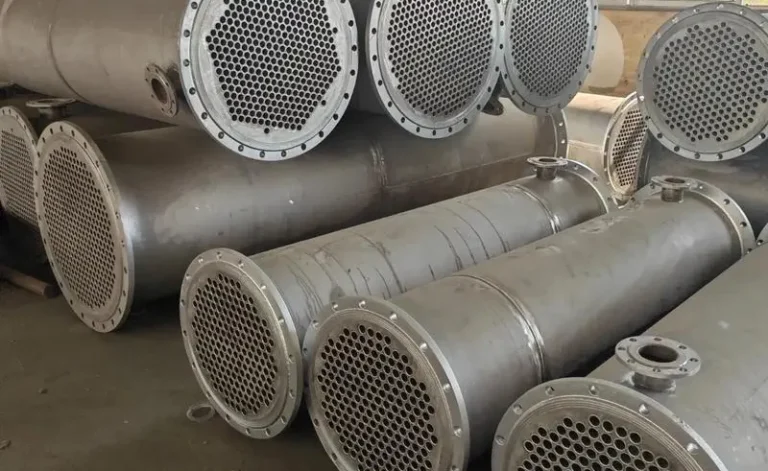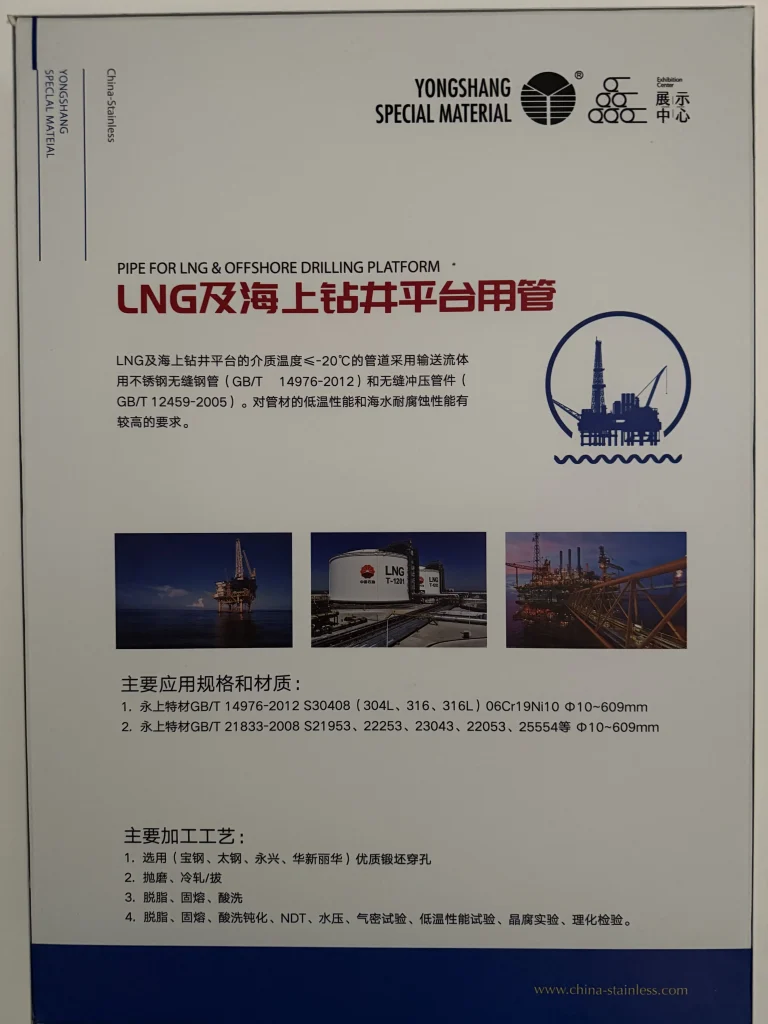
What are Pipes For Seawater Desalination
Desalination pipelines are primarily categorized into corrosion-resistant metal pipes and non-metallic pipes.
During the desalination process,because both the raw seawater and the resulting brine are highly corrosive,the choice of pipe material depends on the specific process stage,pressure requirements,and budget.
Core Strengths of Pipes For Seawater Desalination
Common Standards of Pipes For Seawater Desalination
| Critical Standards | Description/Usage |
| ASTM A790 / A928 | The primary specification for Seamless and Welded Duplex/Super Duplex Stainless Steel Pipes.It defines the chemical composition and mechanical strength required for high-pressure reverse osmosis sections. |
| ASTM G48 | A rigorous Corrosion Testing Standard used to verify the resistance of stainless steel pipes to pitting and crevice corrosion when exposed to chloride-rich environments like seawater. |
| ISO 14692 | The international standard for Glass-Reinforced Plastic Piping.It covers everything from design and manufacture to installation for non-metallic pipes used in seawater intake and brine discharge. |
| ASTM D3350 / D3261 | Standards for High-Density Polyethylene Materials and Fittings.These specify the cell classification and pressure ratings for flexible thermoplastic pipes used in seawater intake and outfall lines. |
| AWWA C950 | The American Water Works Association standard for Fiberglass Pressure Pipe.It is widely used to ensure the structural integrity of large-diameter pipes conveying seawater and treated water. |
| ASME B31.3 | The Process Piping Code,which provides the overarching engineering requirements for the design,materials,fabrication,and testing of the entire desalination plant piping network. |
| NSF/ANSI 61 | A critical health standard for Drinking Water System Components.It ensures that any pipe material in contact with the final “product water” does not leach contaminants into the drinking supply. |
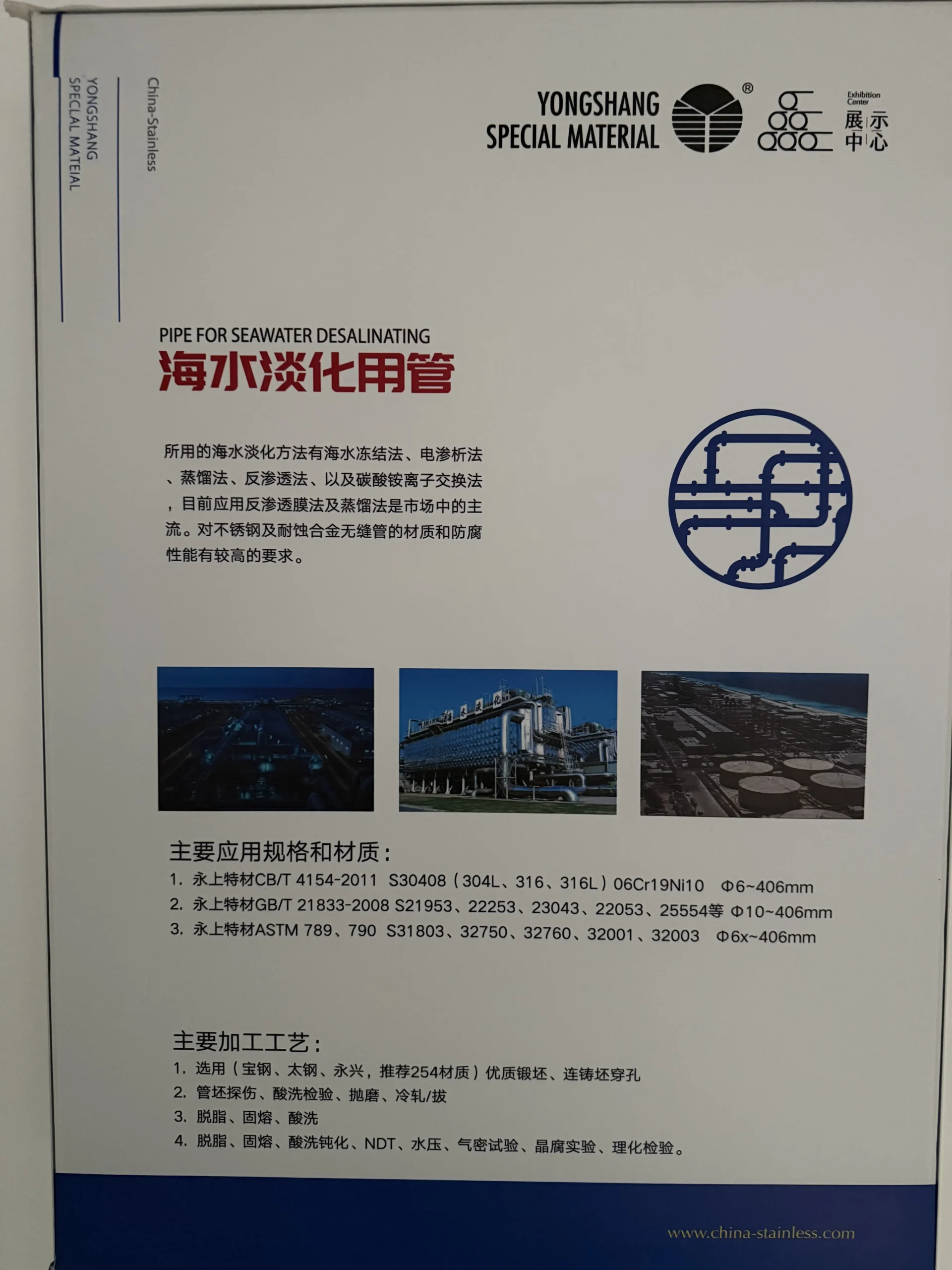
The desalination methods used include seawater freezing,electrodialysis,distillation,reverse osmosis,and ammonium carbonate ion exchange;currently,reverse osmosis and distillation are the mainstream methods in the market.These processes place high demands on the material quality and corrosion resistance of seamless pipes made of stainless steel and corrosion-resistant alloys.
Stainless Tubings Supplier in china
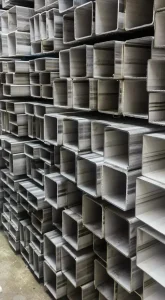
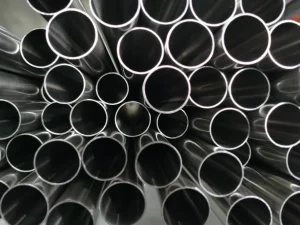
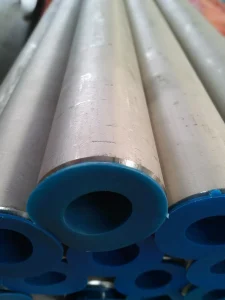
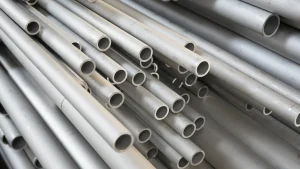
Applications of Pipes For Seawater Desalination
Main Application Specifications and Materials
| Category | Grades | Standards | Size Range |
| Austenitic Stainless Steel | 304/304L, 304H, 304N/304LN, 310, 316/316L, 316H, 316Ti, 316N/316LN, 317/317L, 321/321H, 347/347H | GB/T 14976, GB/T 12771, ASME SA312 | Outside Diameter (OD): Φ6 – Φ762 |
| Duplex/Super Duplex Steel | S31803, S32205 (2205), S32750 (2507) | GB/T 21833, GB/T 21832, ASME SA790 | |
| Super Austenitic Stainless Steel | 904L, S31254 (254SMO), N08925, N08367 | ASME SB677, SB690 | |
| Nickel-based Alloys | N08800/10/11, N08020, N06600, N06601, N06625, N04400, N08825, N02200/01 | ASME SB165, SB167, SB407, SB423, SB444, SB729 | |
| Hastelloy | C276, C22, C2000 | ASME SB622 |
Manufacturing Processes Of Pipes For Seawater Desalination
Should I use Seamless or Welded pipes For Seawater Desalination?
Seamless:
Preferred for the High-Pressure RO feed lines (70–85 bar).Because there is no weld seam, the structural integrity is uniform,reducing the risk of failure under cyclic pressure.
Welded:
Used for low-pressure intake or large-diameter headers.Modern “Class 1” welds with 100% X-ray testing are highly reliable and more cost-effective for sizes above 8 inches.
What is the difference between 316L and Duplex 2205 in desalination?
The main difference is chloride resistance.
316L is suitable only for fresh water or water with extremely low salinity.In untreated seawater,316L will develop severe pitting and crevice corrosion within a few months.
2205 is the “workhorse” for medium-salinity or brackish water.Compared to 316L,it offers higher strength and significantly better resistance to SCC.
How do stainless steel pipes compare to Titanium in desalination?
Titanium:
Technically superior (zero corrosion in seawater),but extremely expensive and difficult to source in large quantities.
Super Duplex SS:
Offers the “Best Value”—it provides sufficient corrosion resistance for the 25-year life of a plant at a fraction of the cost of Titanium.
write to us
Have a Question?
Contact Us!
Should you have any questions regarding stainless steel pipes, including manufacturing processes, chemical composition or other unfamiliar matters, our staff will be happy to assist you.