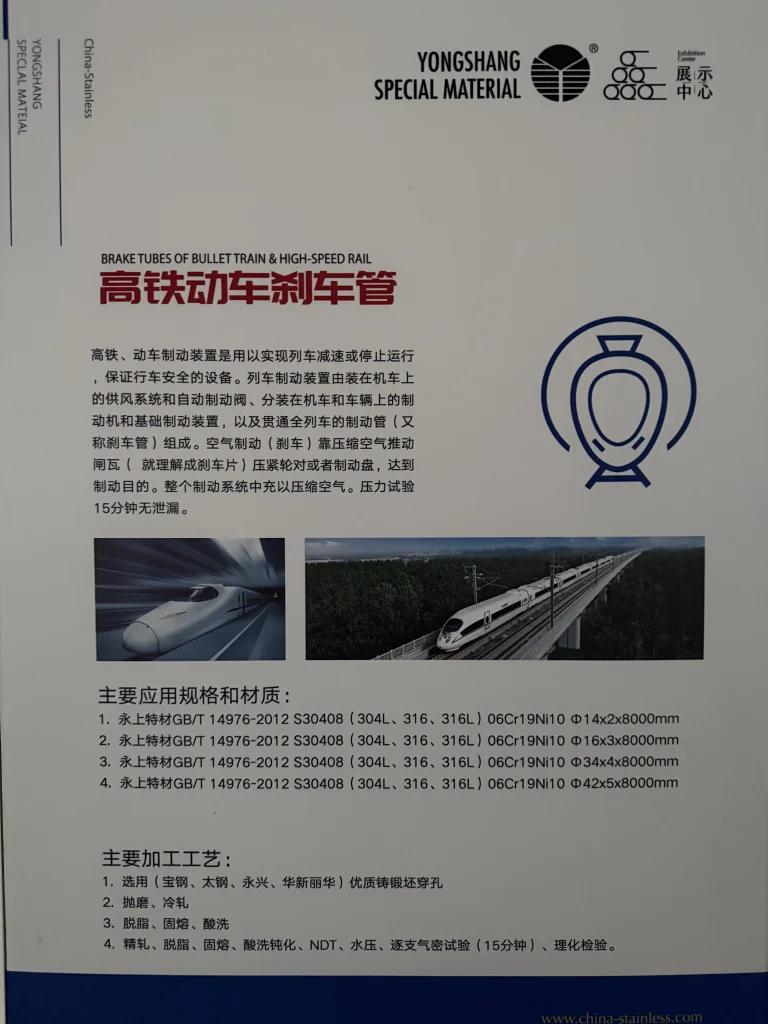
What are Stainless Steel Pipes For Nuclear Power Station
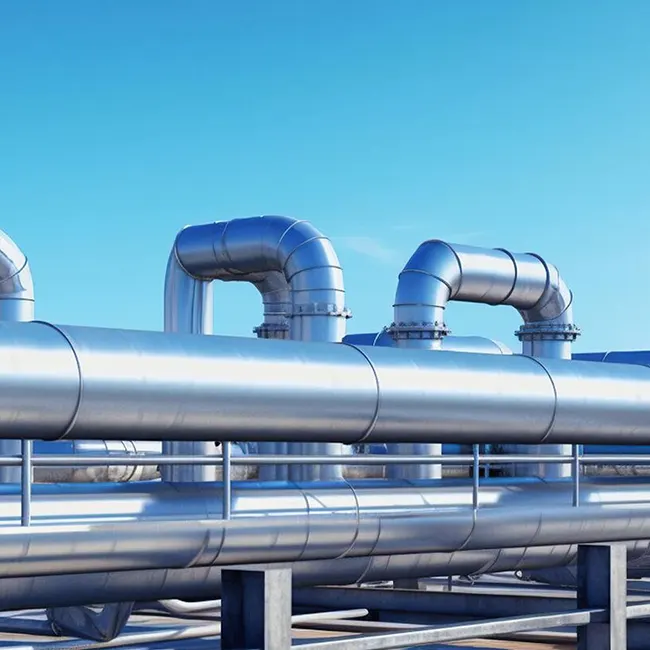
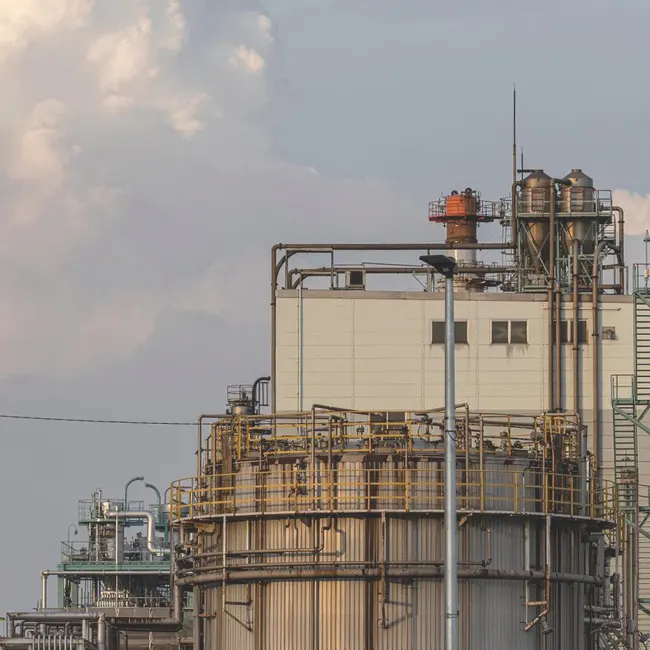
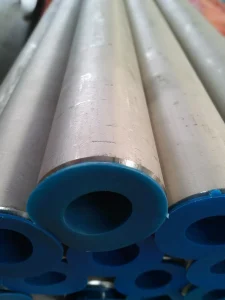
Stainless steel pipes for nuclear power plants are critical components in the nuclear industry,primarily used for coolant transport,steam generation,and the containment of radioactive materials.Due to the extremely harsh operating environment—which includes high temperatures,high pressure,highly corrosive media,and neutron radiation—these pipes must possess extremely high reliability and near-zero-defect tolerances.
Core Strengths of Pipes For Nuclear Power Station
Common Standards of SS Pipes For Nuclear Power Station
| Critical Standards | Description/Usage |
| ASME BPVC Section III | The most authoritative standard in the global nuclear industry,specifically designed for the construction of nuclear power plant components,sets forth all mandatory requirements ranging from material selection to design and installation. |
| RCC-M | Widely used in many nuclear power plants across Europe,the manufacturing processes and inspection requirements for stainless steel pipes are extremely rigorous. |
| ASTM A213 / A312 | Although these are general industrial standards,in the nuclear power sector,seamless and welded austenitic stainless steel pipes are regulated through “nuclear-grade supplementary requirements” (such as controlling cobalt content and increasing ultrasonic testing). |
| HAF 601 / 604 | It establishes the licensing requirements for entities engaged in the design,manufacture,and installation of civil nuclear-grade piping within China,as well as the quality and safety standards they must adhere to. |
| IEEE 344 | Seismic assessment of safety-grade electrical equipment at nuclear power plants.Although the focus is on electrical systems,the seismic verification requirements for pipe supports and valve connections directly impact the system design of stainless steel piping. |
| EN 10216-5 | This standard specifies the technical delivery conditions for seamless stainless steel pipes used in pressure environments in accordance with the EU standard for seamless steel pipes for pressure applications,and is often used as a supplementary standard for nuclear-grade applications. |
| KTA 3201 | The standards of the German Nuclear Technology Committee,which are specifically designed for primary circuit components of light-water reactors,impose extremely stringent requirements on material purity and high-temperature mechanical properties. |
The nuclear power plants currently under construction or in the planning stages in China are primarily pressurized water reactors (PWRs),which are highly mature in terms of technology and safety.The seamless steel pipes used in the construction of PWRs and the manufacture of mechanical equipment can be divided into four major categories:
carbon steel/carbon-manganese steel/low-alloy steel, chromium-molybdenum steel, stainless steel, and nickel-based alloys.
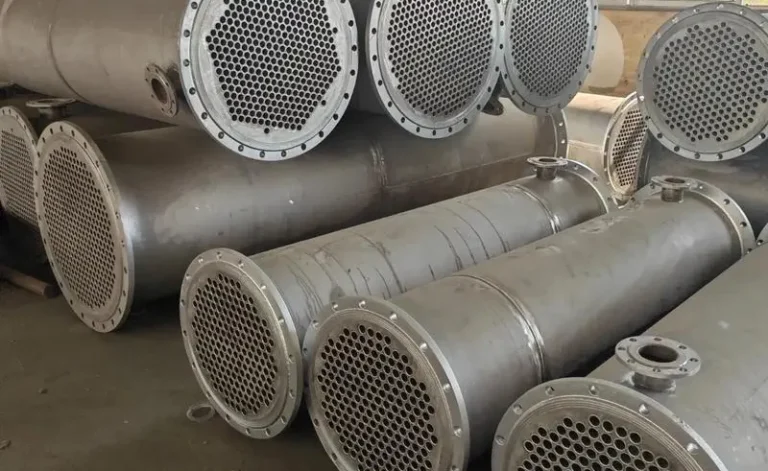
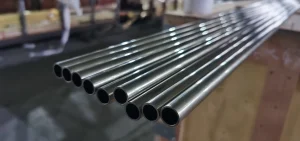
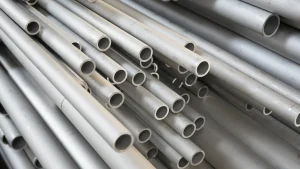
Among these,stainless steel seamless pipes are used in critical components such as the main (coolant) pipelines of nuclear power plants,primary coolant-related pipelines,heat transfer tubes in steam generators,and steam drain lines.
Stainless Tubings Supplier in china
Applications of SS Pipes For Nuclear Power Station
Nuclear Island
Pharmaceutical & Biotech
Main Application Specifications and Materials
| Category | Grades | Standards | Size Range |
| Austenitic Stainless Steel | 304/304L, 316/316L, 316LN, 316H, 321 | GB/T 14976, GB/T 13296, GB/T 30073, GB/T 24512.2 | Outside Diameter (OD): Φ6 – Φ457 |
| Duplex Stainless Steel | S31803 (2205), S32205 | GB/T 21833 | |
| Super Duplex Steel | S32750 (2507) |
Manufacturing Processes Of SS Pipes For Nuclear Power Station
Why is 316L Sanitary stainless steel Pipes preferred over 304 for pharmaceutical applications?
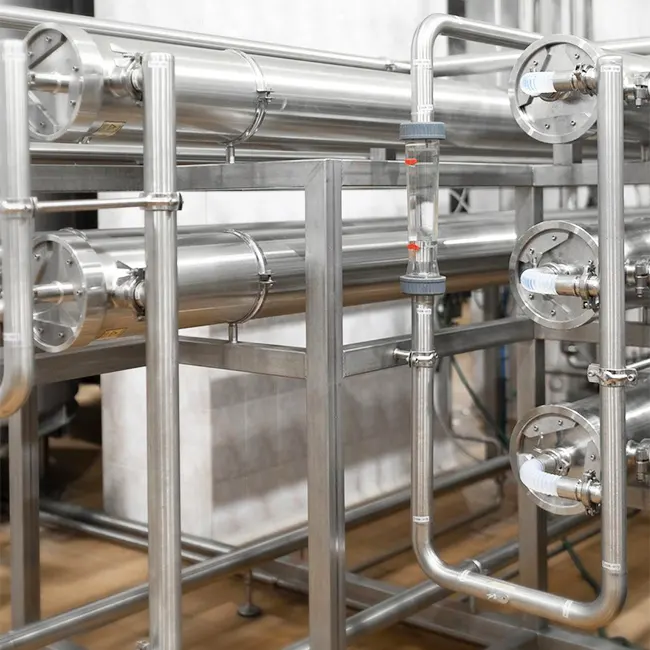
While 304 sanitary stainless steel pipes are commonly used in food processing,316L sanitary stainless steel pipes contain molybdenum,which provides superior resistance to pitting and chloride corrosion.In pharmaceutical environments,where pipes are frequently cleaned with aggressive chemicals (CIP/SIP),316L ensures a longer service life and prevents metallic contamination of sensitive products.
Why is “Solution Annealing” necessary for Sanitary stainless steel pipes?
During manufacturing,cold working can stress the steel and cause carbide precipitation.Solution Annealing (heating to ~1050°C and rapid cooling) dissolves these carbides back into the matrix,restoring maximum corrosion resistance and making the pipe more ductile for installation.
How do I choose between Seamless and Welded sanitary stainless steel pipes?
Seamless pipes are preferred for high-pressure applications and critical pharmaceutical processes where maximum structural integrity and corrosion resistance are required.
Welded pipes (often bead-reduced) are generally more cost-effective and offer excellent wall thickness consistency,making them ideal for many food and beverage lines.
What are the common end-connections for sanitary piping?
Tri-Clamp (Clover):The industry standard for easy disassembly and cleaning.
Butt-Weld:Provides the most hygienic, permanent connection.
Threaded (DIN/SMS):Common in certain European food processing equipment.
write to us
Have a Question?
Contact Us!
Should you have any questions regarding stainless steel pipes, including manufacturing processes, chemical composition or other unfamiliar matters, our staff will be happy to assist you.