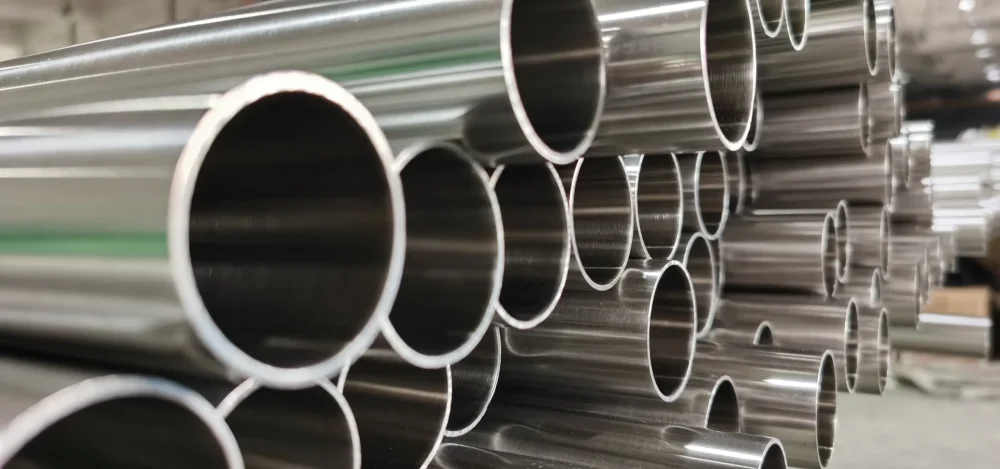
What are Tubes For Electronics, Instrumentation,Semiconductors,Oxygen
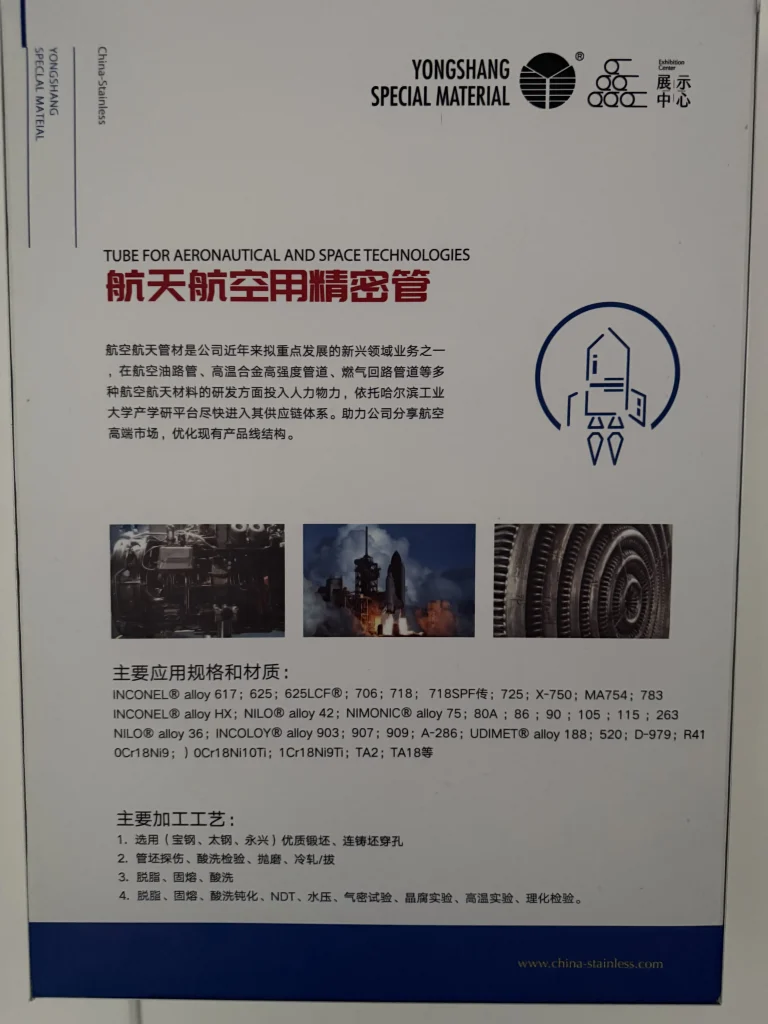
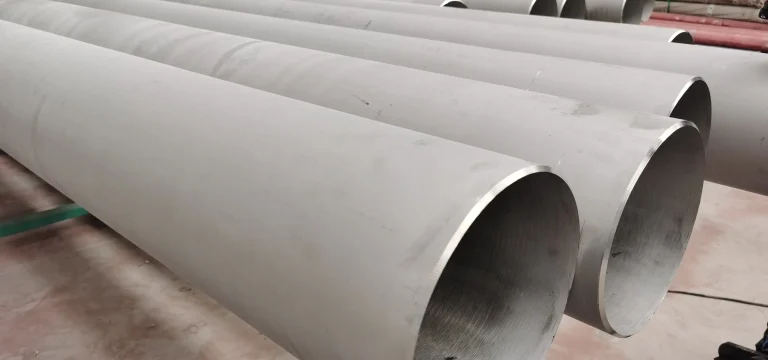
Stainless steel tubes for electronics, instrumentation, semiconductors, and oxygen are precision-engineered to meet extreme standards for purity,surface smoothness,and safety.
While general-purpose tubes focus on structural strength,these specialized variants are designed to prevent contamination in sensitive processes or avoid catastrophic reactions in high-oxygen environments.
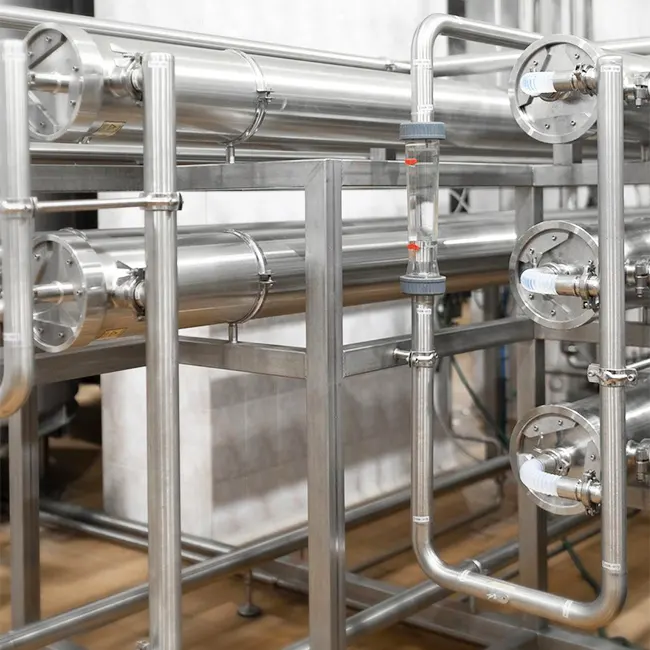
Core Strengths of Tubes For Electronics & The Others
Common Standards of Tubes For Electronics & The Others
| Critical Standards | Description/Usage |
| ASTM A269 | The most common standard for general instrumentation and control lines;covers seamless and welded austenitic stainless steel tubing. |
| ASTM A213 | Specifies seamless tubes for high-temperature and high-pressure environments,often used in critical instrument heat exchangers. |
| SEMI F20 | The “Gold Standard” for semiconductor UHP (Ultra-High Purity) systems;defines chemistry and surface quality for 316L VIM/VAR materials. |
| ASTM A270 (S2) | Originally for sanitary use,Supplement 2 covers high-quality pharmaceutical and semiconductor tubing with specific surface roughness (Ra) limits. |
| ASTM G93 | The primary standard for cleaning and packaging tubes for Oxygen Service;ensures zero residual hydrocarbons or particulates. |
| CGA G-4.1 | A Compressed Gas Association standard specifically for cleaning stainless steel components used in oxygen-enriched environments. |
| AMS 5561 / 5566 | Aerospace Material Specifications for high-strength,thin-walled tubing used in electronic sensing and aerospace instrumentation. |
| DIN 17458 / EN 10216-5 | European equivalents for seamless stainless steel tubes,frequently cited in international instrumentation projects. |
The use of stainless steel tubing in the semiconductor industry not only optimizes the performance of production equipment and the cleanliness of laboratory environments, but also enhances the quality and reliability of semiconductor products.
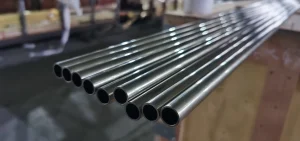
Polished stainless steel tubing and BA capillary tubing are widely used in the electronics, instrumentation,and oxygen delivery industries due to their excellent surface finish,dimensional accuracy,and cleanliness.
Stainless Tubings Supplier in china
Main Application Specifications and Materials
| Category | Grades | Standards | Size Range |
| Austenitic Stainless Steel | 304/304L, 316/316L, 321, 347 | ASTM A269, GB/T 3090, GB/T 3089 | Φ3 – Φ426 |
| Nickel-Based Alloys | N08800/N08810/N08811, N06600, N06601, N06690, N06625, N07718, C276 | GB/T 40317, GB/T 37610, ASTM A269 | |
| Special Corrosion-Resistant Alloys | NS1401, NS5200/NS5201, NS6400, NS3301, NS3101, NS1103 | GB/T 37610, GB/T 40317, GB/T 3089 |
Manufacturing Processes for Tubes For Electronics & The Others
The manufacture of stainless steel tubes for electronics and other high-tech industries goes beyond the scope of standard industrial tubing,placing greater emphasis on purity,dimensional accuracy,and internal surface smoothness.
Why is 316L/316L VAR preferred over 304 for semiconductor applications?
While 304 is standard for general use, 316L contains Molybdenum,offering better corrosion resistance against process gases.For Ultra-High Purity (UHP) semiconductor lines,316L VAR (Vacuum Arc Remelted) is used.This process reduces non-metallic inclusions,resulting in a “cleaner” metal that allows for a superior Electropolished (EP) surface finish, preventing particle entrapment.
How do you ensure that these pipes are protected during transport?
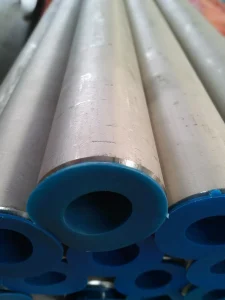
Both ends of the tube are sealed with high-density polyethylene (PE) caps.
UHP/oxygen tubes are typically double-packed using cleanroom-certified plastic sleeves.
UHP tubes are pressurized with high-purity nitrogen prior to sealing to prevent the ingress of moisture or oxygen.
Can I use welded tubes for semiconductor gas lines?
Typically,seamless tubes are the preferred choice for ultra-high-power semiconductor applications to avoid the risk of weld defects.However,for less demanding applications such as electronic cooling or pneumatic tubing,“weld-back” tubes (i.e., tubes in which the weld has been cold-worked to integrate it into the grain structure) are sometimes used.
Why is “Oxygen Cleaning” so critical for stainless steel tubes?
In an oxygen-enriched environment,any residual hydrocarbons or organic particles can act as fuel and cause spontaneous combustion or an explosion due to friction or heat.Standards such as ASTM G93 or CGA G-4.1 ensure that tubing is chemically cleaned,degreased,and sealed to meet “oxygen-enriched cleanliness” standards.
write to us
Have a Question?
Contact Us!
Should you have any questions regarding stainless steel pipes, including manufacturing processes, chemical composition or other unfamiliar matters, our staff will be happy to assist you.