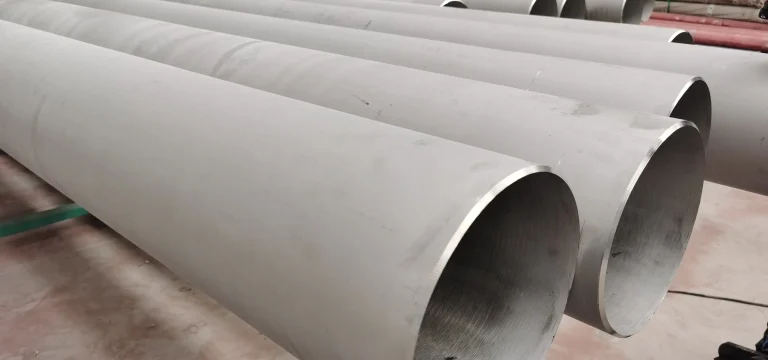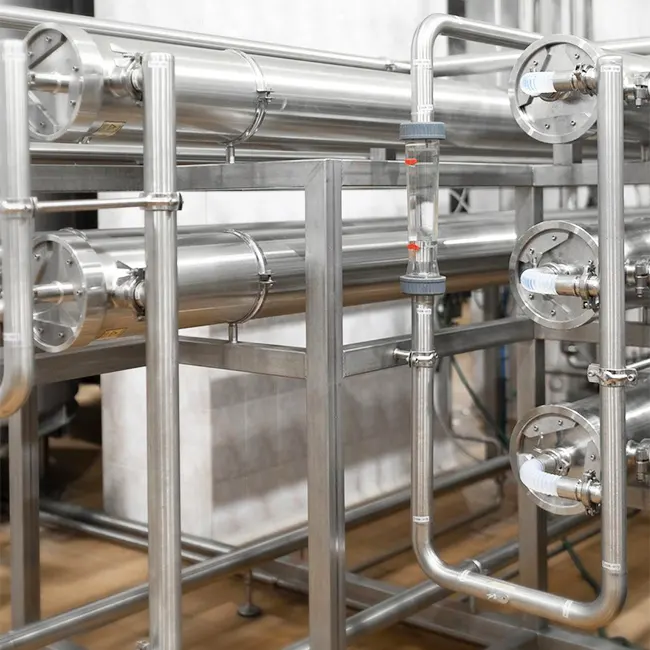
What are Stainless Steel Pipes For Marine Applications
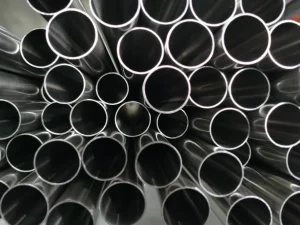
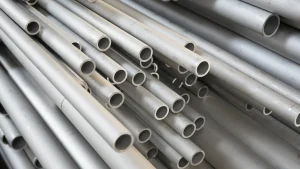
Stainless steel pipes for marine applications are specialized, corrosion-resistant conduits designed to withstand the harsh conditions of saltwater,high humidity,and extreme pressures found in oceans and coastal areas.Unlike standard steel,marine-grade stainless steel typically contains molybdenum,which provides a critical defense against chloride-induced pitting and crevice corrosion.
Core Strengths of Stainless Steel Pipes For Marine Applications
Common Standards of Stainless Steel Pipes For Marine Applications
| Critical Standards | Description/Usage |
| ASTM A312 / A312M | Standard specification for seamless,straight-seam welded,and cold-worked austenitic stainless steel pipes intended for high-temperature and general corrosive service. |
| ASTM A790 / A790M | Covers seamless and welded ferritic/austenitic (Duplex) stainless steel pipes for applications requiring high strength and superior resistance to SCC. |
| ASME B31.3 | It dictates the design,materials,and inspection requirements for piping systems in offshore oil and gas facilities and chemical tankers. |
| NORSOK M-630 | A specialized Norwegian standard defining material data sheets (MDS) for piping.It is the industry benchmark for high-end offshore projects in the North Sea. |
| ASTM A928 | Specifies electric-fusion-welded (EFW) Duplex stainless steel pipe with filler metal,typically used for larger diameter seawater cooling and desalination systems. |
| ISO 13628-5 | International standard focused on subsea umbilical pipes.It ensures that the stainless steel conduits can handle the extreme pressures of deep-water operations. |
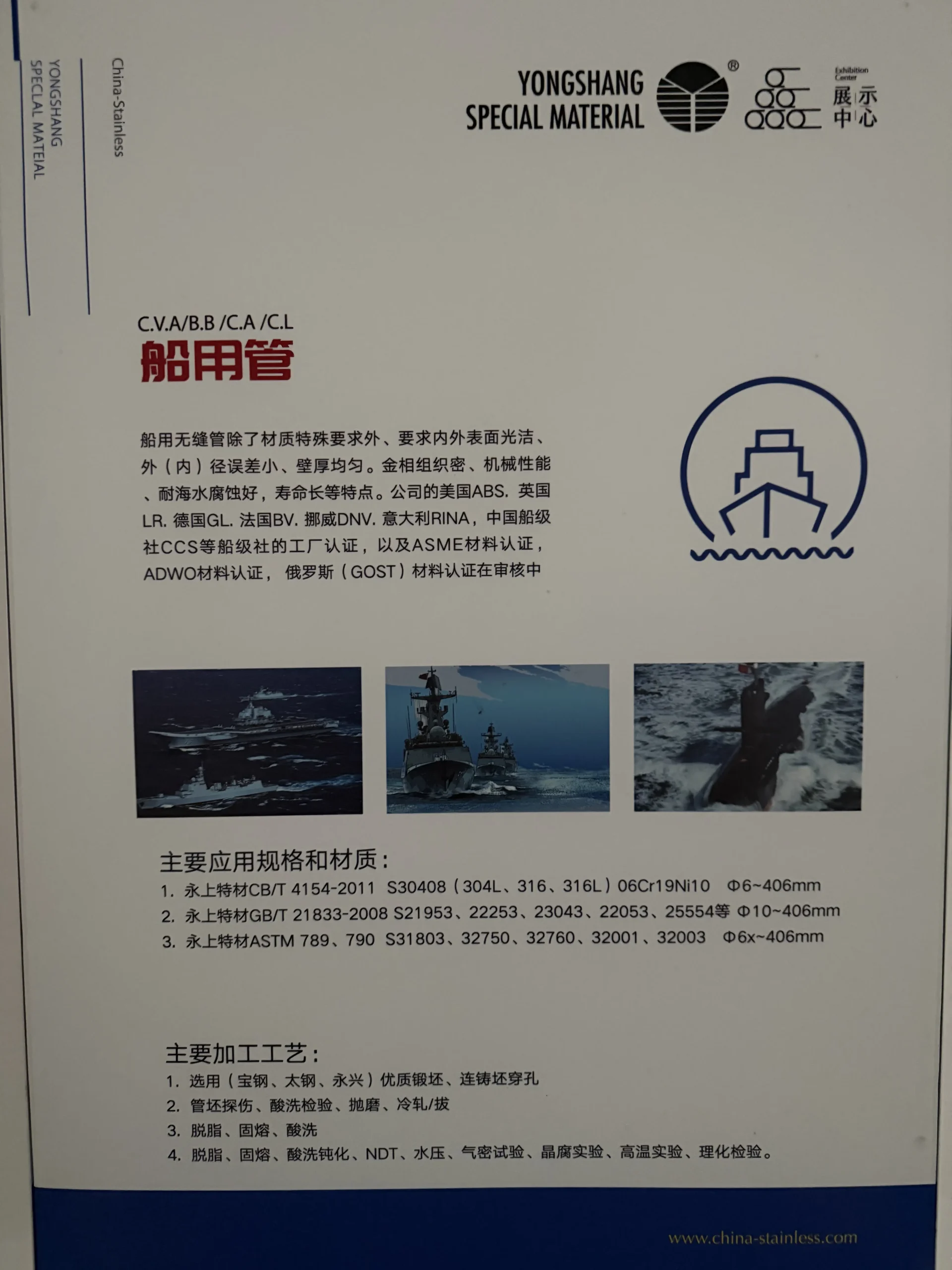
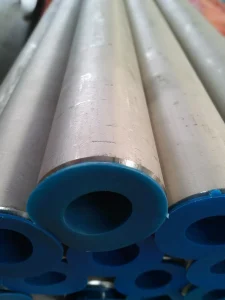
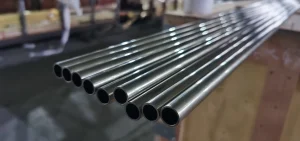
In addition to specific material requirements,marine seamless pipes must have smooth inner and outer surfaces, minimal deviations in outer (and inner) diameter,and uniform wall thickness.They are characterized by a dense microstructure,excellent mechanical properties,good resistance to seawater corrosion,and a long service life.
We hold factory certifications from classification societies including ABS (USA), LR (UK), GL (Germany), BV (France), DNV (Norway), RINA (Italy), and CCS (China Classification Society),as well as material certifications from ASME, ADWO, and GOST (Russia).
Stainless Tubings Supplier in china
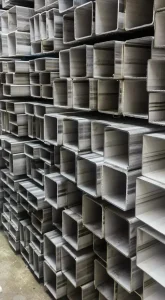
Applications of Stainless Steel Pipes For Marine Applications
Shipbuilding & Vessels:
Used in fuel and hydraulic systems,exhaust systems,ballast water piping,and structural components like masts or propeller shafts.
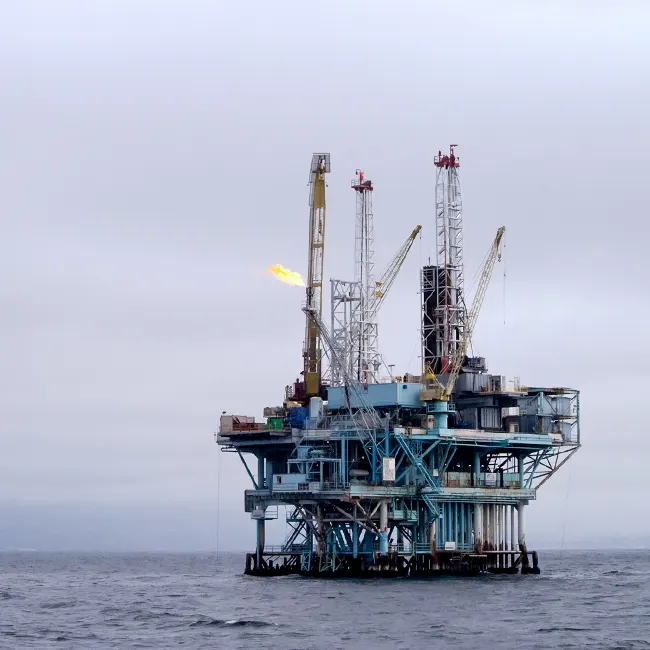
Offshore Platforms:
Vital for subsea pipelines,risers,oil and gas processing facilities,and safety equipment like catwalks and fire protection systems.
Coastal Infrastructure:
Found in desalination plants (for seawater intake),dock structures,harbor pipelines,and architectural facades near the sea.
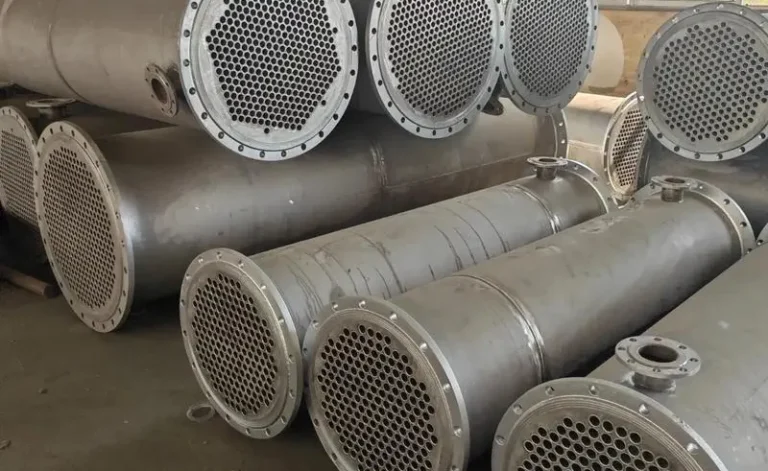
Heat Exchangers & Cooling:
Used in condensers and heat exchangers that use seawater for temperature regulation,preventing internal blockages caused by rust.
Main Application Specifications and Materials
| Category | Grades | Standards | Size Range |
| Austenitic Stainless Steel | 304/304L, 304H, 304N/304LN, 310, 316/316L, 316H, 316Ti, 316N/316LN, 317/317L, 321/321H, 347/347H | GB/T 14976, ASME SA312 | Outside Diameter (OD): Φ6 – Φ630 |
| Duplex Stainless Steel | S31803, S32205, S32750 | GB/T 31928, ASME SA312 | |
| Super Austenitic Steel | 904L, S31254 | GB/T 14976, ASME SA312 |
Manufacturing Processes of Stainless Steel Pipes For Marine Applications
The manufacturing of stainless steel pipes for marine applications focuses on ensuring structural integrity and maximum corrosion resistance to withstand high-pressure seawater environments.
Can stainless steel pipes be used in direct contact with aluminum boat hulls?
It is not recommended without proper insulation.Contact between stainless steel and a less noble metal like aluminum in a saltwater electrolyte creates galvanic corrosion,which will rapidly degrade the aluminum.Non-conductive gaskets or sleeves should be used to isolate the metals.
What is the maximum burial depth for stainless steel pipes used for marine applications?
Operating Water Depth:
Utilizing high-strength alloys like Super Duplex (S32750) and optimized wall thickness, stainless steel pipes can operate at water depths exceeding 3,000 meters,where they withstand extreme external hydrostatic pressure.
Sub-seabed Burial Depth:
To protect against anchors and scouring,pipes are typically buried 1 to 3 meters below the mudline.In high-traffic shipping channels or active anchorage areas,the maximum burial depth can reach 5 to 10 meters depending on local maritime regulations.
When should Duplex stainless steel (e.g., S32205) be used instead of 316L?
Duplex stainless steel is chosen when higher mechanical strength and superior corrosion resistance are required.It is nearly twice as strong as standard austenitic steels,making it ideal for high-pressure subsea pipelines,offshore structural components,and heavy-duty seawater cooling systems.
write to us
Have a Question?
Contact Us!
Should you have any questions regarding stainless steel pipes, including manufacturing processes, chemical composition or other unfamiliar matters, our staff will be happy to assist you.