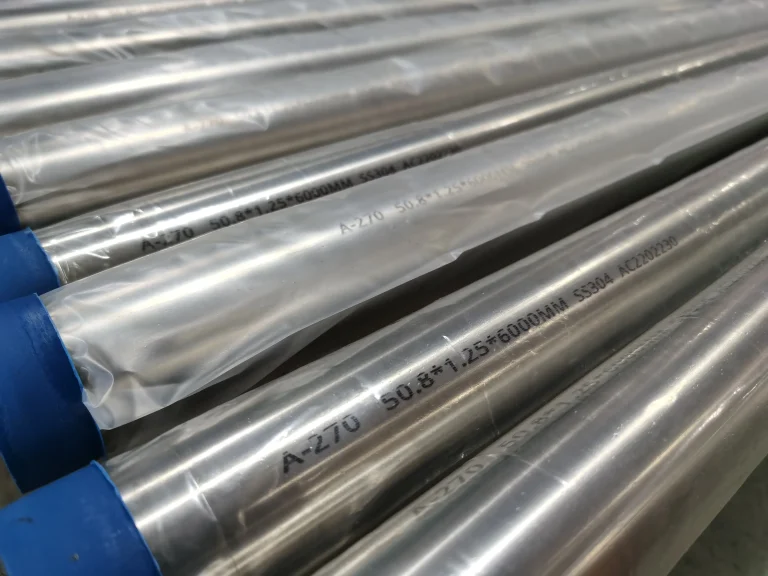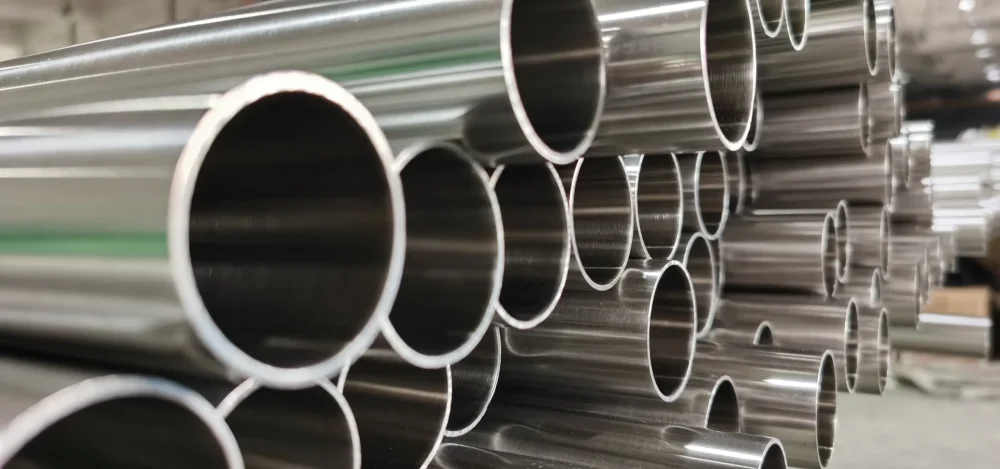
What are Pipes For LNG & Offshore Drilling Platform
Pipes for LNG are specialized piping systems designed to transport natural gas in its liquid state at cryogenic temperatures,typically around -163°C (-260°F).
Pipes for offshore use refer to various types of piping used on or beneath drilling platforms for the extraction,processing,and transportation of oil and natural gas,which are capable of withstanding high pressure and seawater corrosion.
Core Strengths of Pipes For LNG & Offshore Drilling Platform
Core Strengths of LNG Pipes
Core Strengths of Offshore Drilling Pipes
Common Standards of Pipes For LNG & Offshore Drilling Platform
| Category | Critical Standards | Description/Usage |
| Offshore Drilling & Pipelines | API 5L | The gold standard for Line Pipe.Covers seamless and welded steel pipe for oil and gas transport,specifying grades like X65 and X80 for high strength. |
| API 5CT | Specifies requirements for Casing and Tubing (OCTG).Critical for offshore wells to withstand high pressure and structural loads. | |
| DNV-ST-F101 | Global standard specifically for Submarine Pipeline Systems.Focuses on the unique stresses of deep-water environments and external pressure. | |
| LNG & Cryogenic Systems | ASTM A333 | Standard for seamless and welded steel pipe intended for Low-Temperature Service (specifically Grade 6 for LNG).Requires Charpy impact testing. |
| ASTM A312 | Standard for Stainless Steel Pipe (e.g., 304L/316L).Widely used in LNG facilities for its excellent cryogenic toughness and corrosion resistance. | |
| EN 1474-2 | European standard for the design and testing of LNG Transfer Systems and offshore transfer hoses/pipes. | |
| General Design & Materials | ASME B31.3 | The “Process Piping” code. Essential for the design and construction of piping systems within LNG terminals and offshore platforms. |
| ISO 3183 | The international equivalent to API 5L,standardizing the manufacturing and testing of Petroleum and Natural Gas line pipes. |
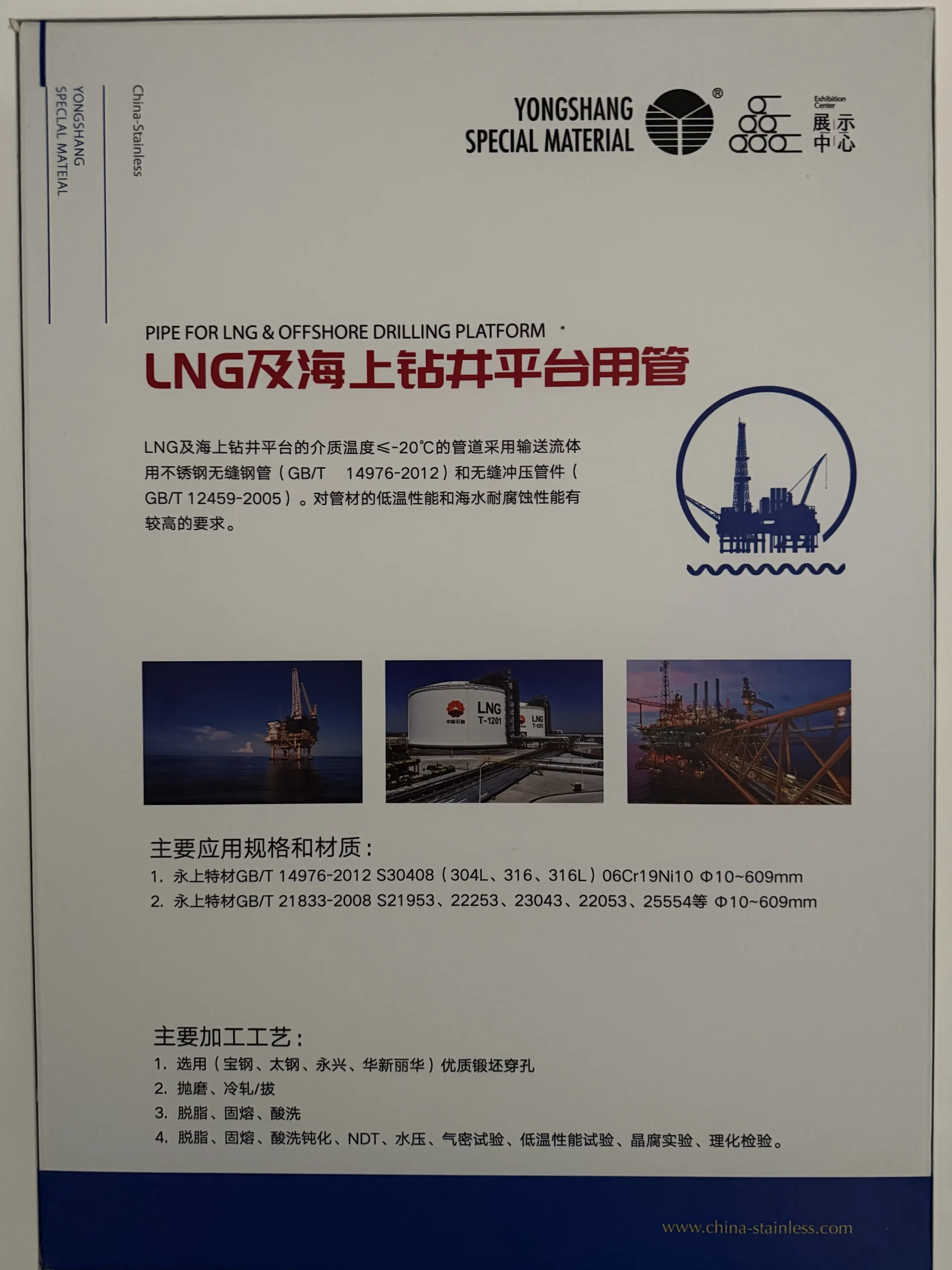
For pipelines in LNG and offshore drilling platforms where the medium temperature is ≤ -20°C,seamless stainless steel pipes for fluid conveyance (GB/T 14976-2012) and seamless pressed pipe fittings (GB/T 12459-2005) are used.
These materials must meet stringent requirements for low-temperature performance and resistance to seawater corrosion.
Stainless Tubings Supplier in china
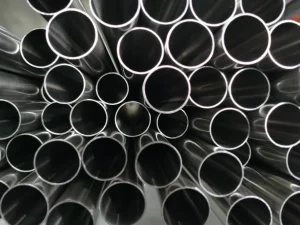
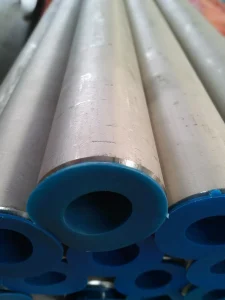
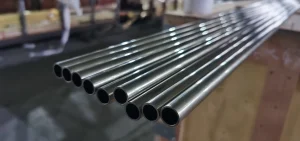
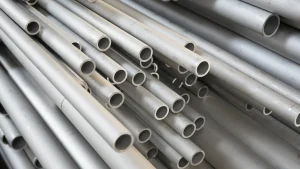
Applications of Pipes For LNG & Offshore Drilling Platform
Pipes For LNG
Pipes For Offshore Drilling Platform
Main Application Specifications and Materials
| Category | Grades | Standards | Size Range |
| Cryogenic & LNG Piping | S31608-LH, S31603-LH, 316/316L, 304/304L | GB/T 38810,TCSCS 034 | Outside Diameter (OD): Φ6 – Φ426 |
| High-Performance Offshore Alloys | S31252, S31782, 316/316L | GB/T 14976,TCSCS 034 | |
| High-Temperature & Specialized Process | 321, 347, S31008 | GB/T 14976 |
Manufacturing Processes Of Pipes For LNG & Offshore Drilling Platform
Why can’t standard carbon steel be used for LNG piping?
Standard carbon steel undergoes a ductile-to-brittle transition at low temperatures.At the LNG operating temperature of -163°C,carbon steel becomes as brittle as glass and would shatter under pressure.LNG pipes require materials like 9% Nickel steel or 300-series stainless steel that maintain “cryogenic toughness.”
What makes “Super Duplex” the preferred choice for offshore platforms?
Offshore environments are highly corrosive due to chloride-rich seawater.Super duplex stainless steel offers a high PREN.It provides a unique combination of high mechanical strength and superior resistance to pitting and SCC.
What is the difference between a “Flowline” and a “Riser”?
An oil transfer line is a pipeline laid on the seabed to transport fluid horizontally between the wellhead and the manifold.
A riser,on the other hand,is a vertical pipeline connecting subsea equipment to the surface platform.Risers are subjected to higher fatigue stresses caused by ocean currents and platform movement.
What are “Premium Connections” in offshore drilling?
Standard API threaded connections may leak under high-pressure gas or extreme bending.Premium Connections feature metal-to-metal seals and specialized thread profiles. They are designed to be 100% gas-tight and are essential for deep-water wells and high-pressure/high-temperature environments.
write to us
Have a Question?
Contact Us!
Should you have any questions regarding stainless steel pipes, including manufacturing processes, chemical composition or other unfamiliar matters, our staff will be happy to assist you.