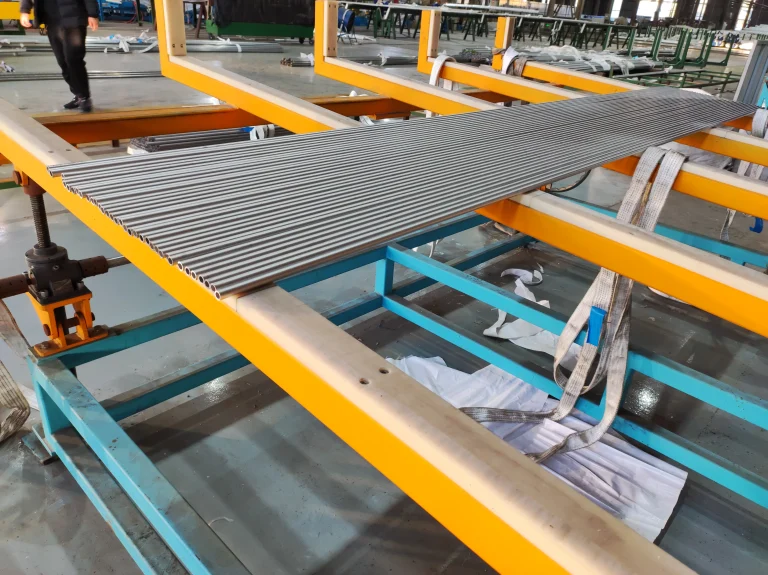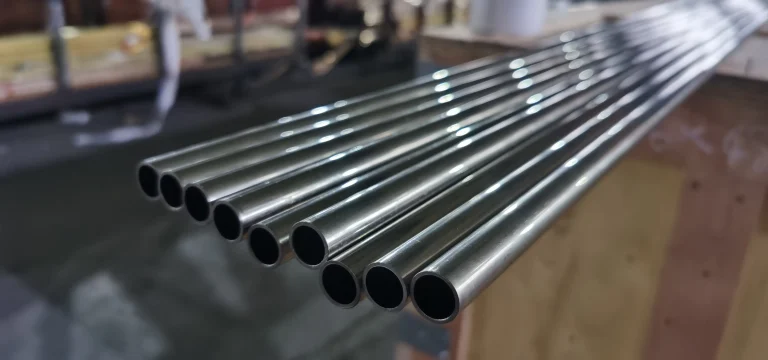
Do Superalloy Pipes Rust?
No,superalloy pipes do not “rust” in the traditional sense,because they contain little to no iron.Rusting specifically refers to the formation of iron oxide when iron or steel reacts with oxygen and moisture.
Instead of rusting,these nickel-based and copper-based superalloys form a highly stable,microscopic passivation layer on their surface.This protective layer isolates the underlying metal from environmental oxygen, providing extraordinary resistance to corrosion,oxidation,and degradation—even under extreme heat,high pressure,or exposure to harsh acids and saltwater.
How Superalloy pipes Defy Corrosion
Superalloy Pipes Comparison
| Superalloy | Primary Elements | Main Strength | Best Environments |
| Hastelloy Pipe | Nickel, Molybdenum, Chromium | Severe chemical resistance | Aggressive acids, chlorine, chemical processing |
| Inconel Pipe | Nickel, Chromium | Extreme heat & oxidation strength | Aerospace, gas turbines, exhaust systems |
| Monel Pipe | Nickel, Copper | Seawater & alkaline resistance | Marine piping, brine solutions, offshore drilling |
| Incoloy Pipe | Nickel, Iron, Chromium | Cost-effective oxidation resistance | Industrial heating, petrochemical processing |
Stainless Tubings Supplier in china
Do These Pipes Rust After Welding?
No,superalloy pipes do not rust after welding,but the welding process can create micro-structural vulnerabilities that cause other forms of corrosion if the weld is not performed or treated correctly.
As mentioned earlier,because these alloys contain almost no iron,they are physically incapable of forming iron oxide. However,the high temperatures generated during welding do temporarily disrupt the protective chemical structure of these metals.
How Welding Affects Superalloy Corrosion Resistance
Post-Weld Vulnerabilities by Alloy Type
| Alloy Pipe | Post-Weld Risk | What Actually Happens |
| Hastelloy Pipe | Low | Highly stable,but segregation of molybdenum can reduce performance in boiling hydrochloric acid. |
| Inconel Pipe | Low | High heat resistance,but vulnerable to hot cracking in the weld bead if over-welded or over-heated. |
| Monel Pipe | Moderate | Porosity and cracking if contaminated by sulfur,lead,or oxygen during the weld process. |
| Incoloy Pipe | Highest (relatively) | Contains the most iron.Susceptible to chromium depletion near the weld if not using low-carbon variants. |
Best Practices to Prevent Post-Weld Corrosion
- Use Low-Carbon Grades:
Utilizing variations like Hastelloy C-276 ensures there is not enough carbon to cause chromium depletion. - Strict Gas Shielding:
Using 100% pure argon gas to purge both the inside and outside of the pipe prevents oxygen from reacting with the hot metal. - Chemical Pickling and Passivation:
Applying specialized acid pastes removes the colored heat-tint scale and forces the protective chromium-oxide layer to instantly reform. - Low Heat Input:
Welders keep the interpass temperature low and weld quickly to prevent elements from separating in the metal matrix.
No,but it causes localized pitting.
Hastelloy.
No,it fails in nitric acid.
No,they form tougher oxide barriers.
High-temperature heat tint scale formed.
Yes,it traps chemicals and invites pitting.
Incoloy,due to higher iron percentages.
Chemical pickling or high-temperature solution annealing.
Yes,oxygen contamination ruins the weld passivating layer.
write to us
Have a Question?
Contact Us!
Should you have any questions regarding stainless steel pipes, including manufacturing processes, chemical composition or other unfamiliar matters, our staff will be happy to assist you.