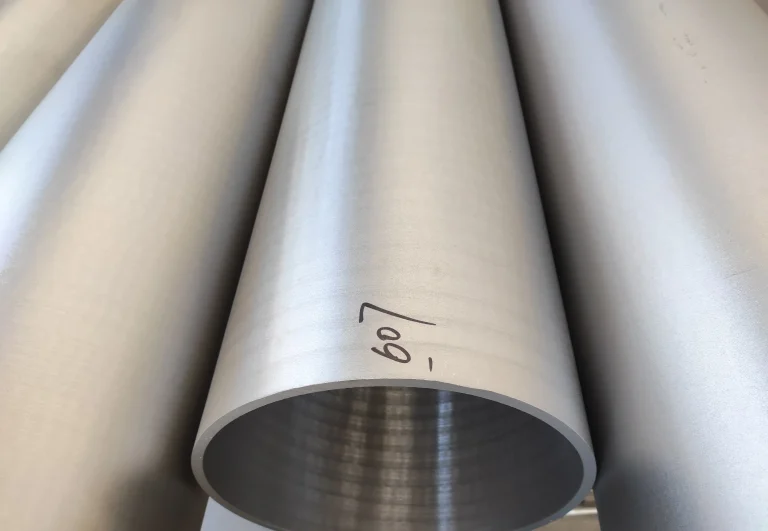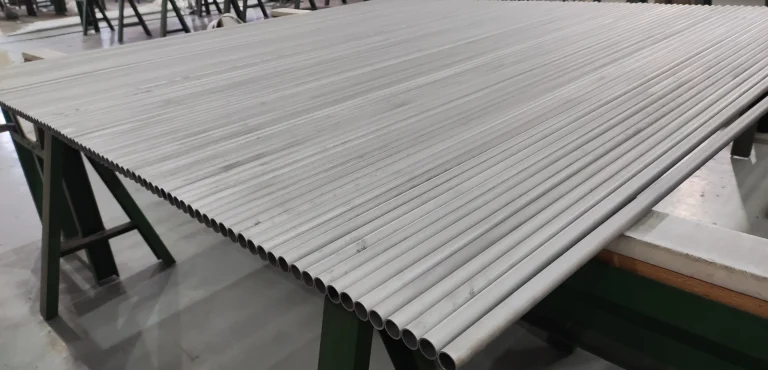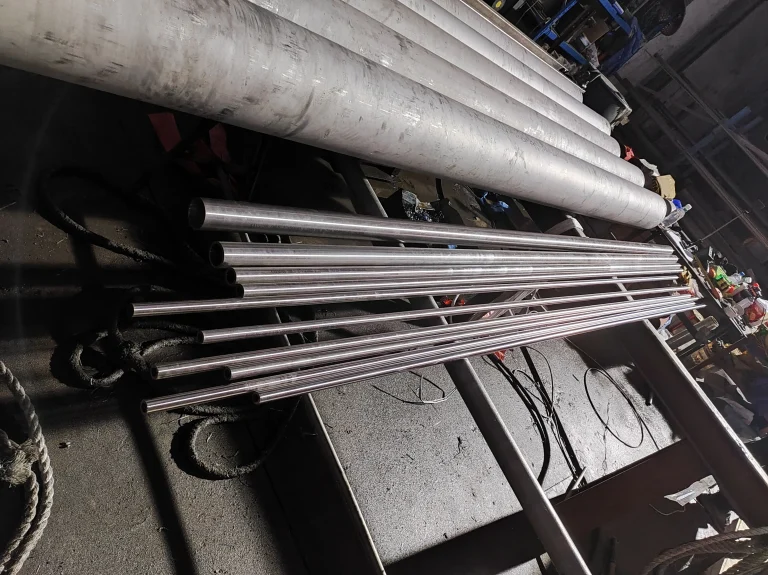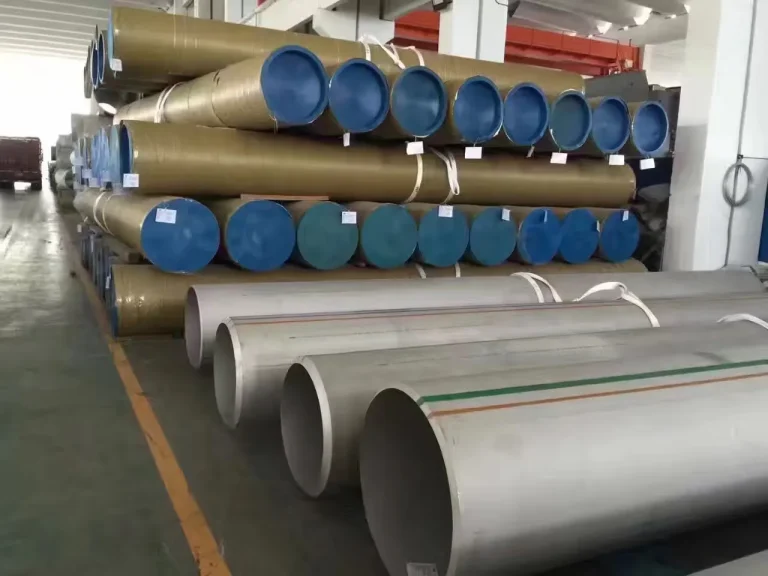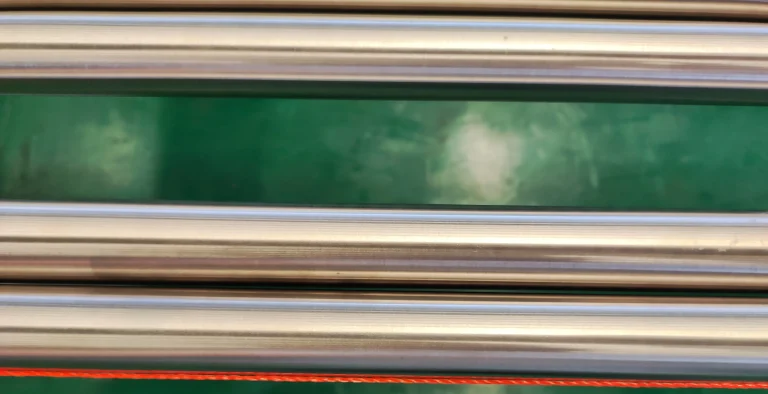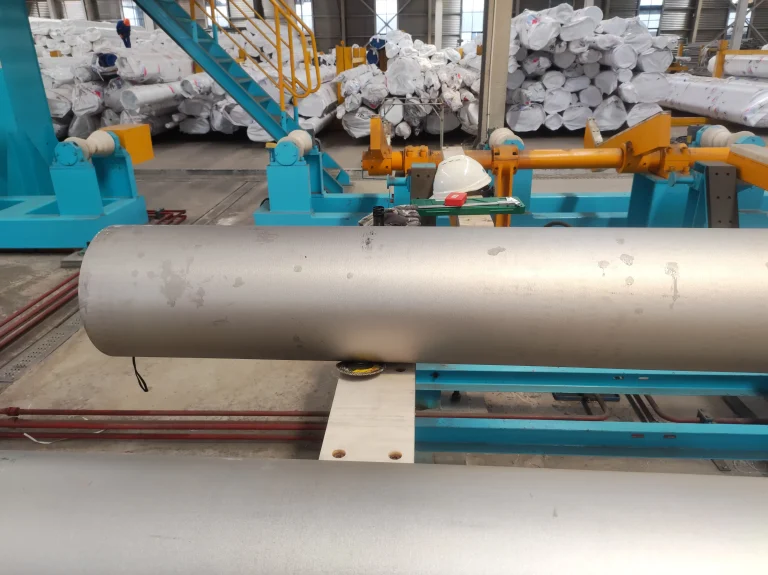
The chemical composition analysis of steel pipes identifies the exact percentage of elements within an alloy,verifying it meets mechanical and industry standards.
Steel pipes primarily consist of iron alloyed with carbon, manganese, silicon, sulfur, and phosphorus,supplemented by other trace and alloying elements depending on the required grade.
Understanding the role of these elements and how they are tested is essential for assessing pipe quality.
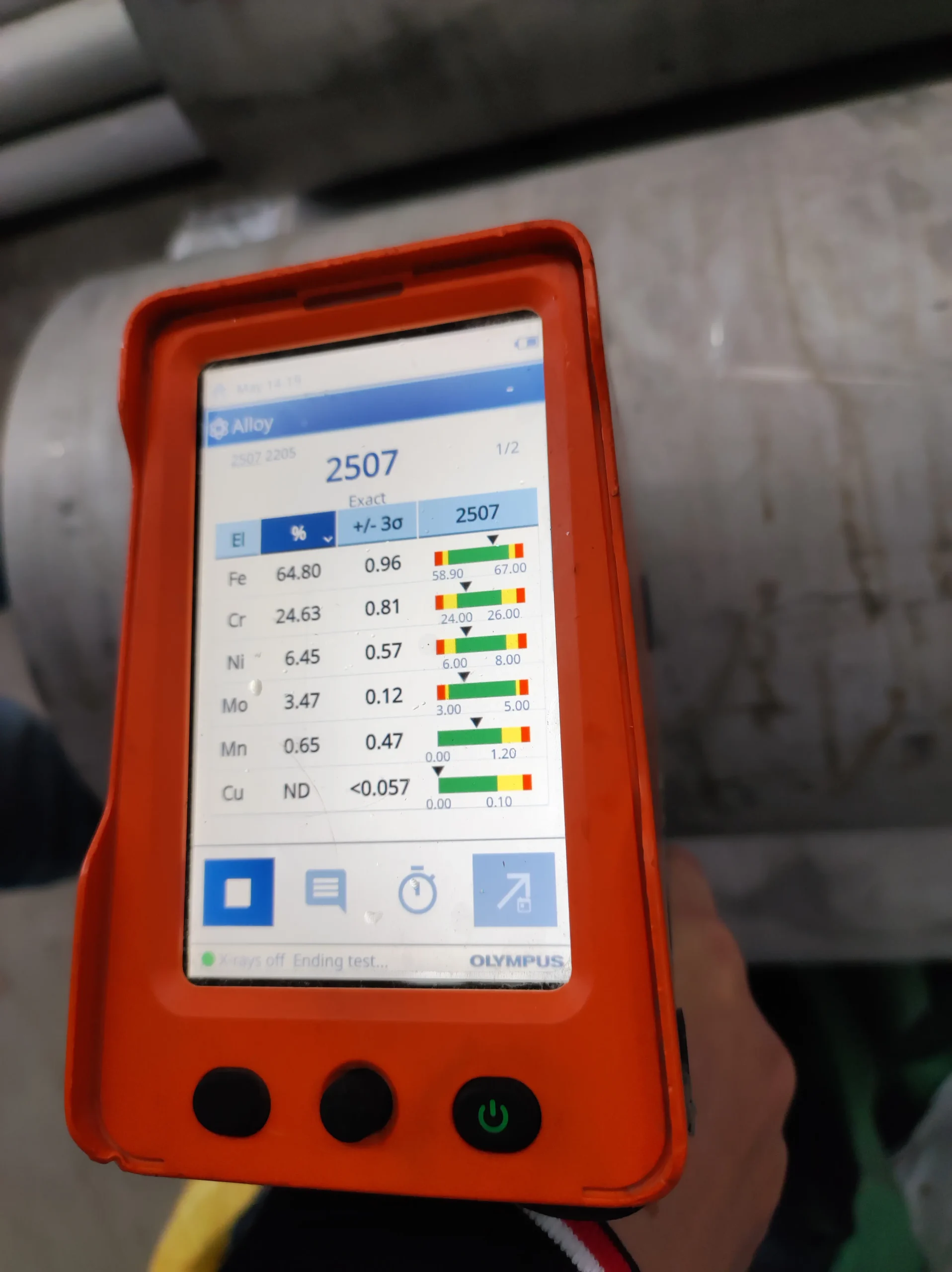
Methods for Chemical Composition Analysis of Steel Pipes
Primary Elemental Modifiers in Industrial Steel Pipes
| Chemical Element | Specific Impact on Steel Pipes |
| Carbon | Controls overall hardness,structural tensile strength,and weldability. |
| Chromium | Increases oxidation resistance and protects against atmospheric rust. |
| Nickel | Enhances low-temperature impact toughness and acid resistance. |
| Molybdenum | Raises elevated-temperature strength and fights localized pitting. |
| Manganese | Minimizes structural brittleness and neutralizes harmful sulfur elements. |
| Titanium | Fixes free carbon to stop intergranular corrosion during welding. |
Stainless Tubings Supplier in china
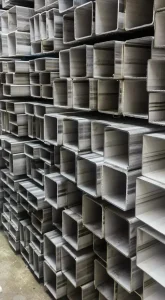
High-Risk Systems Requiring Certified Steel Pipes
Technical Breakdown of Testing Methods for Steel Pipes
| Method Type | Average Speed | Surface Damage | Primary Use Case |
| OES | Under 60 seconds | Leaves a small spark mark | Fast on-site material grading. |
| XRF | Instantaneous | Completely non-destructive | Warehouse tracking and material sorting. |
| ICP-OES | 24 to 48 hours | Destroys the small sample | Deep scientific laboratory auditing. |
| Combustion | 5 to 10 minutes | Burns the sample chip | Ultra-precise carbon calibration. |
Strategic Implementation of Material Verification
Choosing the perfect analytical method depends on your business goals and testing environments.For non-destructive pipeline verification,utilize portable XRF tools to preserve structural integrity while gathering immediate data.Alternatively,deploy OES units to check carbon levels before structural welding,and mandate formal laboratory ICP-OES validation for legal disputes or aerospace procurement.Executing a correct chemical composition analysis protects projects from sub-standard steel,while ISO 17025 accredited laboratories deliver legally binding records. Ultimately,proactive material validation avoids expensive recalls,secures digital compliance tracking,and ensures long-term capital investments through transparent, audit-ready data.
Why do inspectors perform chemical composition analysis on industrial pipes?
This critical analysis confirms the exact alloy classification.It guarantees full compliance with strict global engineering safety codes like ASTM or ASME.
Can you execute chemical composition analysis without scratching or harming pipes?
Yes.Portable XRF devices provide fully non-destructive testing options.They leave absolutely zero physical marks on your structural pipes.
How does carbon concentration influence industrial pipes during field installation?
Carbon fundamentally determines material hardness and overall weldability.High carbon levels induce structural brittleness,making secure welding difficult.Thus,a chemical composition analysis is vital.
How frequently should a major warehouse audit its incoming pipes inventory?
Quality teams should test every single delivery batch upon arrival.Additionally,schedule regular spot checks during routine plant maintenance shutdowns.This ongoing chemical composition analysis safeguards active operations.
write to us
Have a Question?
Contact Us!
Should you have any questions regarding stainless steel pipes, including manufacturing processes, chemical composition or other unfamiliar matters, our staff will be happy to assist you.