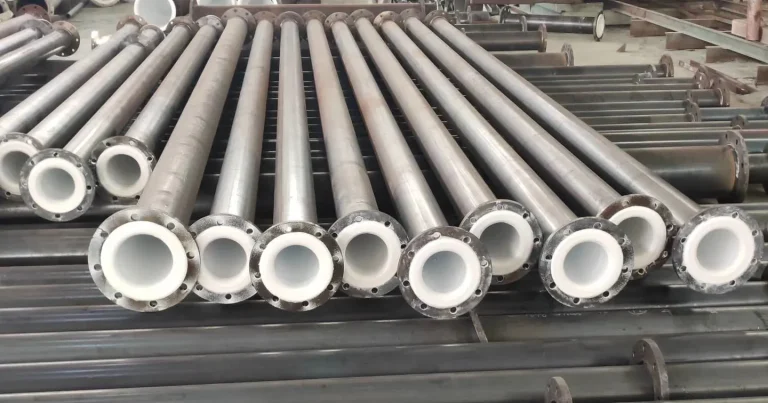
What is Intergranular Corrosion Test?
An intergranular corrosion test is a destructive metallurgical evaluation used to determine if a metal alloy is susceptible to localized decay along its grain boundaries.
This testing is highly critical for quality assurance in industries like aerospace,nuclear,oil and gas,and chemical processing to prevent sudden,catastrophic structural failures.
Why Intergranular Corrosion Testing Is Necessary
When alloys like austenitic stainless steel or nickel-based metals are exposed to high temperatures (500°C to 1000°C) during welding,hot-forging,or improper heat treatment,they become “sensitized”.During sensitization:
- Chromium reacts with carbon to form chromium carbides at the grain boundaries.
- This creates chromium-depleted zones directly adjacent to those boundaries.
- Because chromium provides corrosion resistance,these depleted boundaries become highly reactive (anodic) and dissolve rapidly in corrosive environments,causing the material to lose its mechanical strength and disintegrate.
Standard Intergranular Corrosion Testing Methods
Modern Non-Destructive and Rapid Testing Technologies
Traditional ASTM A262 destructive testing requires cutting samples and boiling them for several days,which takes too long.The industry has now developed a more efficient alternative:
- Electrochemical Reactivation Method:
This is a non-destructive or minimally destructive testing method.By measuring the charge generated when the passivation film on a material is activated in a specific solution,it directly and quantitatively assesses the degree of sensitization and can be performed directly on equipment in the field or while in service. - Microscopic Diffraction Analysis:
Using electron backscatter diffraction (EBSD) technology,the geometric structure of grain boundaries is directly observed under a microscope to predict in advance which grain boundaries are most susceptible to attack.
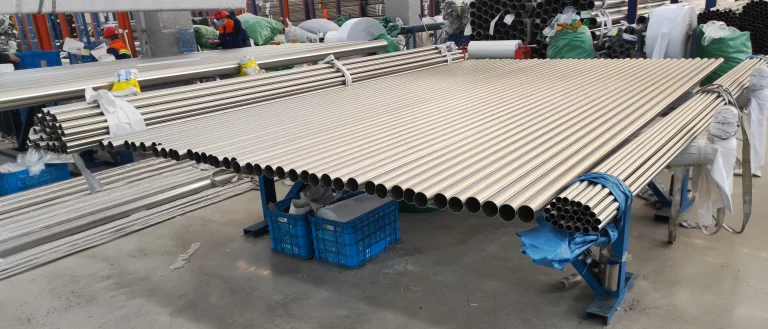
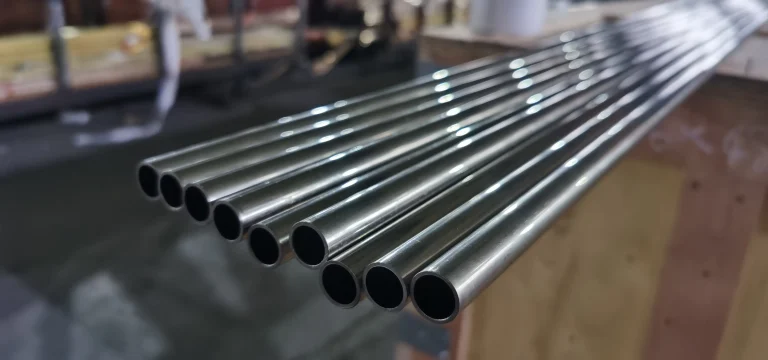
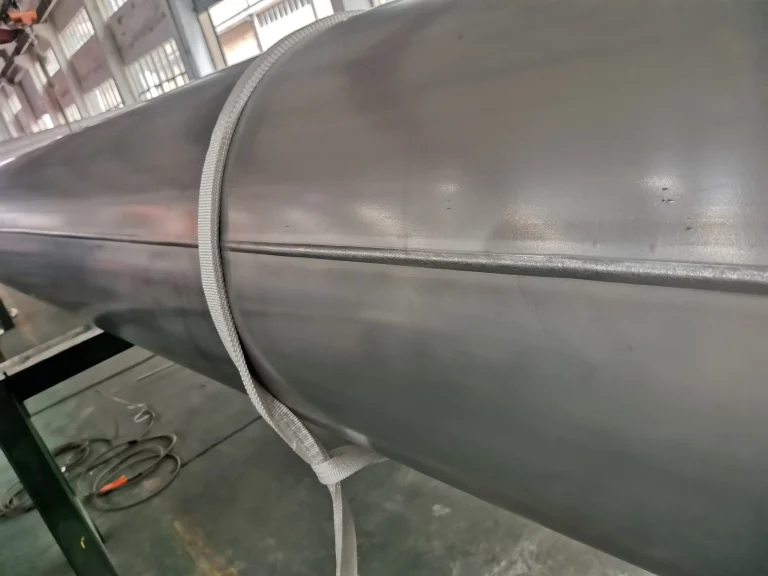
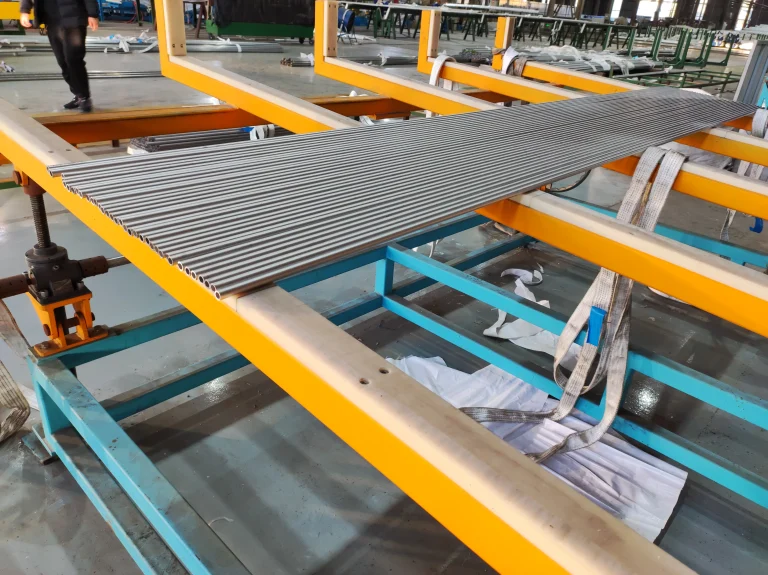
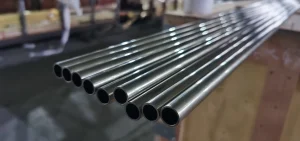
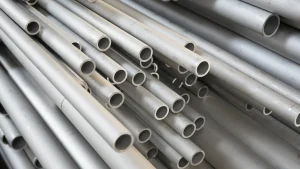
Stainless Tubings Supplier in china
Underlying Factors Affecting Intergranular Corrosion
A “Variant” of Intergranular Corrosion: Knife-Line Corrosion
When testing and analyzing welded joints made of stabilized stainless steels,a specific type of intergranular corrosion known as knife-line corrosion may occur.
- It occurs in an extremely narrow area immediately adjacent to the fusion line (resembling a line drawn by the tip of a knife).
- This is because the area was subjected to extremely high temperatures (>1300°C) during welding,causing the originally stable titanium carbide or niobium carbide to dissolve,and chromium carbide to precipitate during subsequent cooling,leading to failure.Conventional IGC testing sometimes requires micro-sectioning of this area to accurately capture the findings.
How to Take Corrective Action Based on Test Results
If a material is rated as “unacceptable” or “suspicious” in an IGC testing,it does not necessarily mean it must be scrapped;it can be restored through specific heat treatment.
- Solution Annealing:
The steel is heated to 1050°C – 1150°C to allow the precipitated chromium carbides to redissolve into the matrix,followed by rapid water quenching (rapid cooling,without allowing time for chromium carbides to precipitate). - Stabilization Treatment:
For steels containing Ti or Nb,the steel is heated to 850°C – 900°C and held at that temperature to allow the carbon to fully combine with the Ti or Nb.It is then cooled;this prevents intergranular corrosion even if the steel is reheated.
IGC testing ensures premium alloy pipes like Monel, Hastelloy, Incoloy, Inconel, Pure Nickel, and Super Duplex pipes resist localized grain-boundary decay caused by welding heat or thermal forming.
While Super Duplex pipes rely on ASTM A923 to catch brittle intermetallic phases,nickel-base alloy pipes utilize ASTM G28 to measure mass loss in boiling acids.Because these high-performance piping systems operate in severe offshore,nuclear,and chemical environments,IGC tests guarantee long-term structural integrity and prevent sudden, catastrophic leaks along critical weld joints.
What is the difference between Intergranular Corrosion and Pitting?
IGC attacks the microscopic boundaries between grains,leaving the grains themselves intact but causing the metal to disintegrate or lose strength.
Pitting is a highly localized attack that creates deep,distinct holes on the flat,exposed surface of the metal,usually caused by chloride ions.
Is the IGC test destructive or non-destructive?
Destructive:
Standard laboratory methods (like ASTM A262 Practices A–E) are destructive because they require cutting a physical coupon from the metal,boiling it in acid,and bending it.
Non-Destructive:
The EPR method is a modern,non-destructive alternative that can test a live asset in the field without damaging it.
Which ASTM A262 practice should I use for 316L VS 304?
Practice A (Oxalic Acid):
Used as a rapid screening tool for both grades to see if they pass immediately.
Practice E (Strauss Test):
The industry standard for 316L and 304,utilizing a copper sulfate boil followed by a bend test to evaluate sensitization.
Practice C (Huey Test):
Strongly recommended for 304 in nitric acid,but never used for 316L because the nitric acid attacks the molybdenum in 316L,yielding false positives.
What causes a metal to fail an IGC test?
Sensitization:
Exposure to heat between 500°C and 1000°C.
High Carbon Content:
Alloys with carbon above 0.03% form chromium carbides too easily.
Improper Heat Treatment:
Failure to perform a rapid water quench after solution annealing,allowing carbides to precipitate.
Why do we perform a “Bend Test” after boiling the sample in acid?
The acid boil dissolves the weak,chromium-depleted grain boundaries.However,this microscopic damage is often invisible to the naked eye.The 180-degree bend test applies mechanical stress,forcing the compromised grain boundaries to crack open and reveal the failure.
Can an alloy that fails an IGC test be repaired?
Yes.If a batch of raw material fails,it can be saved via solution annealing.The metal is heated to a high temperature to dissolve the carbides back into the matrix,followed by rapid water cooling to prevent them from reforming.
Note:This cannot be done on finished, complex structures or assembled systems.
write to us
Have a Question?
Contact Us!
Should you have any questions regarding stainless steel pipes, including manufacturing processes, chemical composition or other unfamiliar matters, our staff will be happy to assist you.