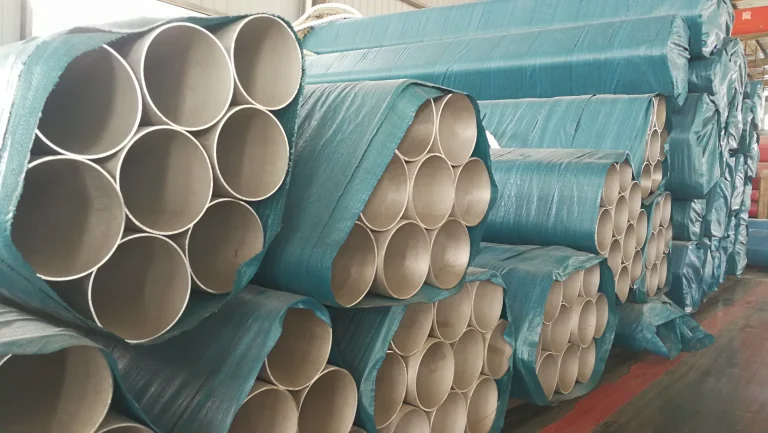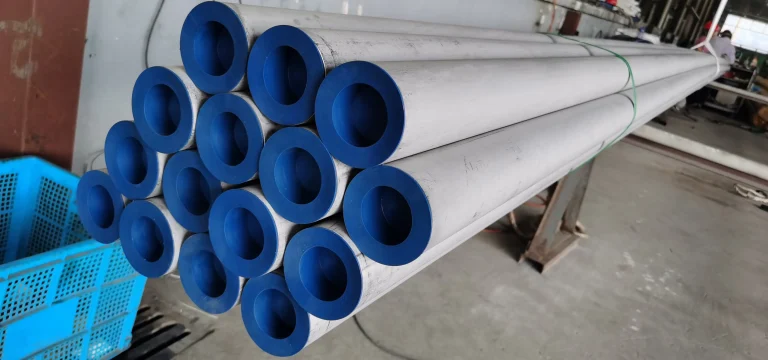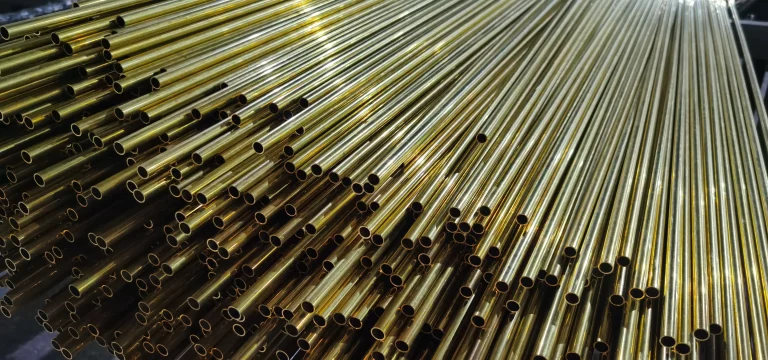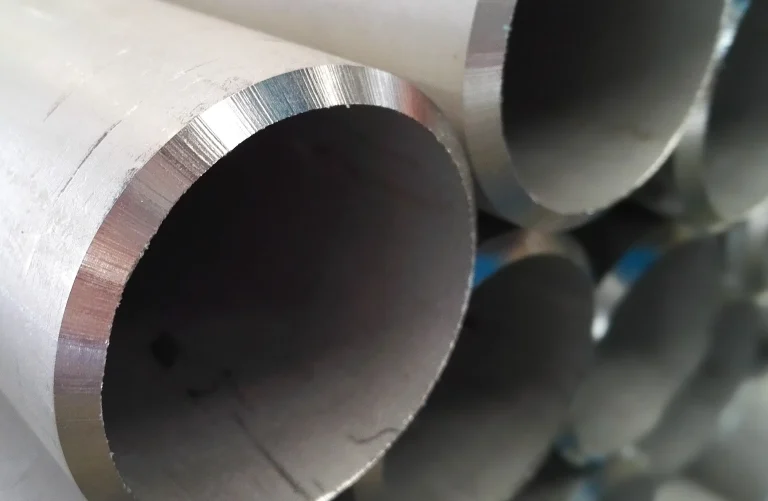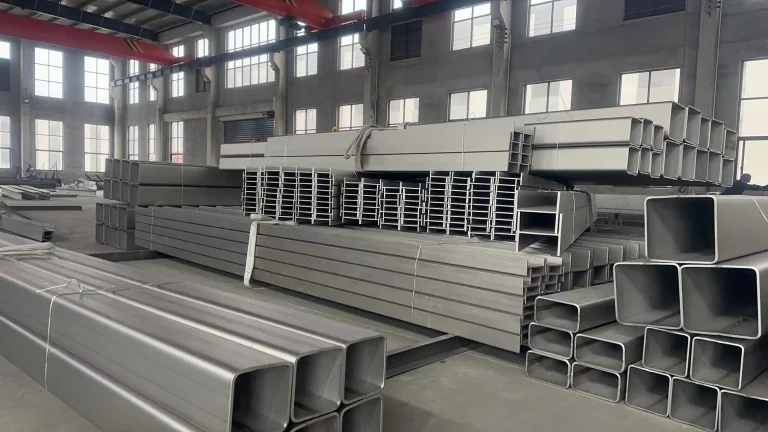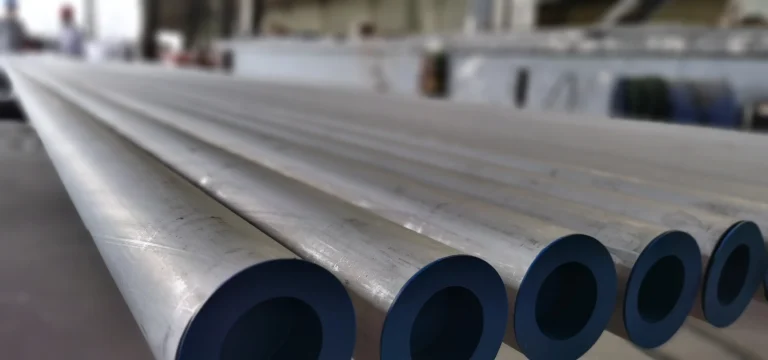
Hastelloy C276 Round Tubing
As a manufacturer with ten years of experience in stainless steel pipe import and export trade, we offer Hastelloy C276 Round Tubing.
Hastelloy C276 round tubing is a high-performance corrosion-resistant nickel-molybdenum-chromium superalloy in a hollow circular tubular form.This material is widely used in demanding industrial environments,maintaining stable operation under conditions where other common metals fail due to highly corrosive media,high temperatures,or high pressures.
The exceptional performance of Hastelloy C276 stems from its carefully balanced chemical composition, which endows it with outstanding corrosion resistance in a wide range of corrosive environments.
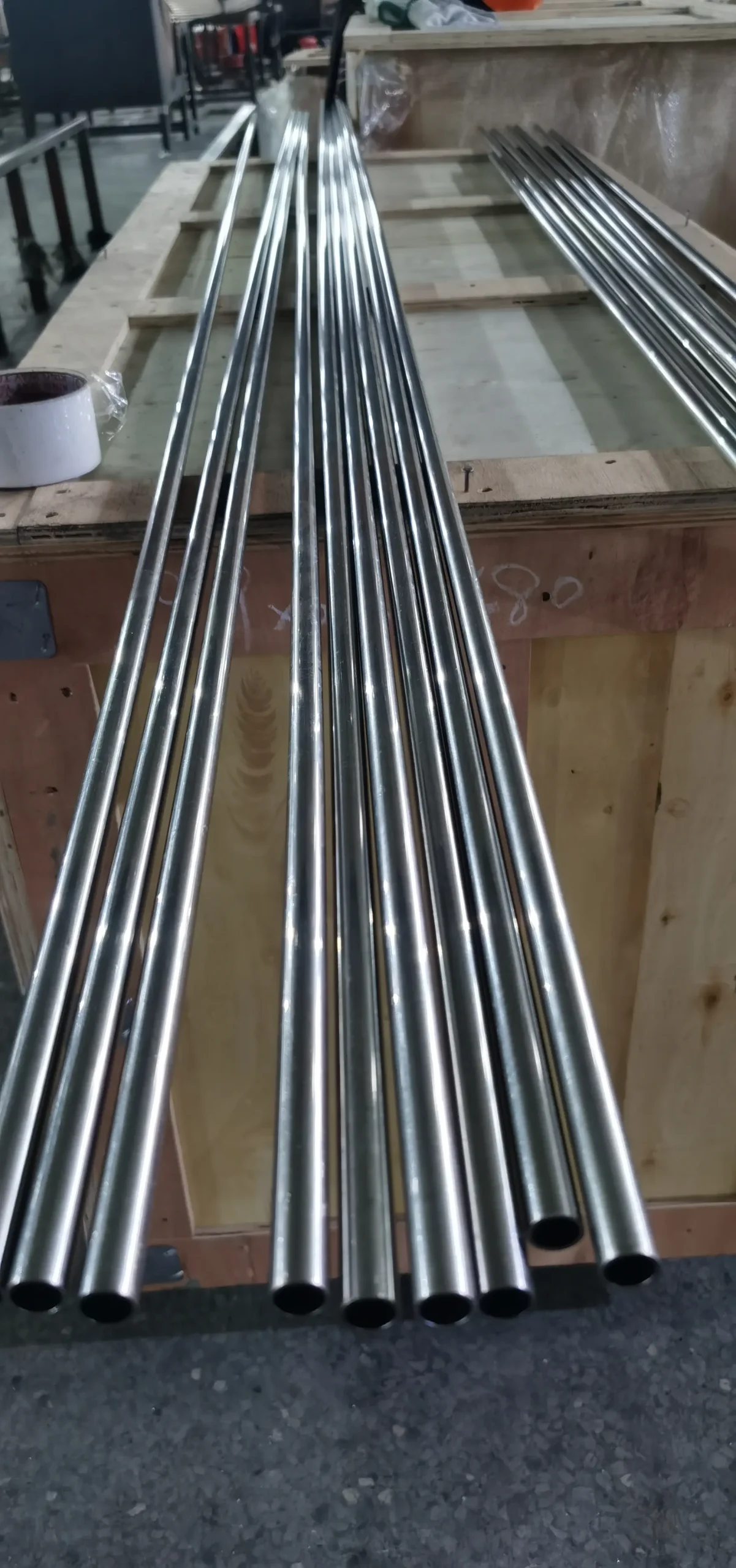
Specification of Hastelloy C276 Round Tubing
| Product | Hastelloy C276 Round Tubing |
| Working Temperature | Around 400°C (750°F) |
| Dimension Range | Outside Diameter (OD): 6 – 200 mm Wall Thickness (THK): 0.35 – 6 mm Length (L): 0.5 – 12 m The size can be customized according to ASME B36.10 / ASME B36.19 |
| Schedules | SCH 5, 10, 40, 80, 160, XXS, XXH |
| Materials | Hastelloy C276 | UNS N10276 | W.Nr.2.4819 | DIN/EN 2.4606 |
| Standards | ASTM B622 / ASME SB 622 / ASTM B626 / ASME SB 626 |
| Surface Finish |
Mill Finish Annealed and Pickled Bright Annealed Polished Sanitary/High Purity Finish |
| Corrosion Resistance Specifications |
Excellent Resistance To: Chlorine Compounds Strong Acids Oxidizing Salts Contaminated Media |
| Applications | Chemical Processing Industry Pollution Control Waste Treatment Oil & Gas Petrochemical Industries |
| Our Strength | Over 10 Years Experience Exporting Pipes & Tubings Stock Available In Common Sizes Customized Fabrication Available Package Supplying of Piping Materials Strict QC With PMI Testing For Every Batch Experience in Exporting to the US,Germany,UAE,etc. Third Party Inspection Available |
For more information on Hastelloy c276 tubings and other products, please contact us.
Hastelloy C276 Round Tubing Chemical Composition (%)
| Ni | Cr | Fe | Mo | W | Co |
| Balance | 14.5 – 16.5 | 4 – 7 | 15 – 17 | 3 – 4.5 | ≤ 2.5 |
| C | Mn | Si | S | P | V |
| ≤ 0.01 | ≤ 1 | ≤ 0.08 | ≤ 0.03 | ≤ 0.04 | ≤ 0.35 |
Hastelloy C276 Round Tubing Mechanical Properties(Typical value range)
| Tensile Strength | Yield strength | Elongation | Hardness |
| ~ 690 – 790 MPa | ~ 283 – 355 MPa | ≥ 40 % | ≤ 90 – 95 HRB |
Manufacturing Process for Hastelloy C276 Round Tubing
The manufacturing process for Hastelloy C276 round tubes depends on whether a seamless or welded structure is required.Both paths begin with high-purity melting and conclude with critical heat treatment to ensure maximum corrosion resistance.
Raw Material Preparation
This process first melts the alloy in an electric arc furnace (EAF),followed by refining techniques such as argon-oxygen decarburization (AOD) or vacuum induction melting (VIM) to achieve precise chemical composition and low carbon/silicon levels.
Forming the Tube
Seamless Tubing (ASTM B622):
Extrusion/Piercing:After heating a solid round billet,it is forced through a die via a rotating piercing or extrusion process to form a hollow “parent tube.”
Cold drawing/Pilgering:To achieve final dimensions and high precision tolerances,the parent tube is cold drawn or Pilgered over a mandrel.
Forming the Tube
Seamless Tubing (ASTM B622):
Extrusion/Piercing:After heating a solid round billet,it is forced through a die via a rotating piercing or extrusion process to form a hollow “parent tube.”
Cold drawing/Pilgering:To achieve final dimensions and high precision tolerances,the parent tube is cold drawn or Pilgered over a mandrel.
Welded Tubing (ASTM B619/B626):
Roll Forming:Cylindrical shapes are formed by compressing flat strips or coils of C276 material through rollers.
Welding:High-quality welding techniques (such as TIG/GTAW) are employed to join longitudinal welds,utilizing low heat input processes to prevent weld cracking.
Heat Treatment
Due to the tendency of Hastelloy C276 to undergo work hardening, solution annealing is required.
Temperature:Heating is typically conducted between 1121°C–1177°C (2050°F to 2150°F).
Quenching:The material undergoes rapid cooling (quenching) to prevent grain boundary precipitation and ensure the alloy maintains full corrosion resistance in its final state.
Finishing and Inspection
Pickling:Immerse the pipe in an acid solution (typically nitric acid and hydrofluoric acid) to remove scale formed during heat treatment.
Straightening and Cutting:Mechanically straighten the pipe and cut it to the required length.
Inspection:Finished tubing undergoes rigorous quality control,including hydrostatic pressure testing,non-destructive electrical testing (eddy current testing),and dimensional inspection to meet ASTM B622/B619 standards.
write to us
Have a Question?
Contact Us!
Should you have any questions regarding stainless steel pipes, including manufacturing processes, chemical composition or other unfamiliar matters, our staff will be happy to assist you.