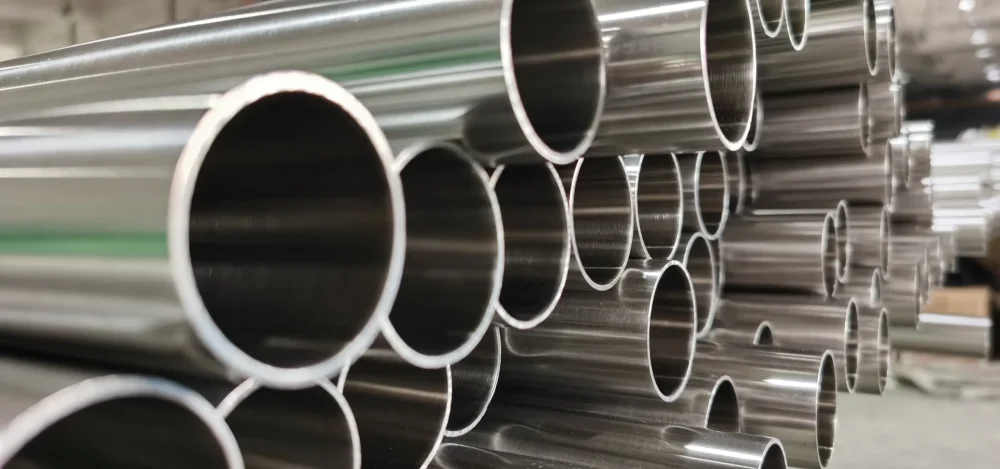
What are Pipes For Aeronautical And Space Technologies
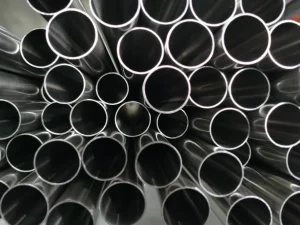
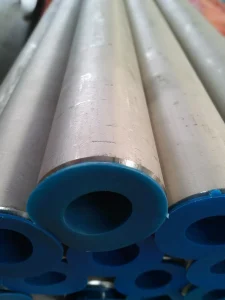
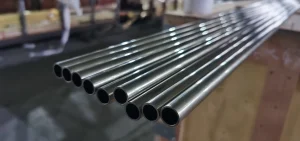
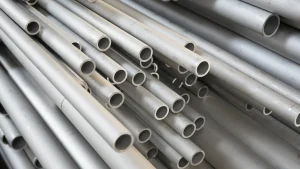
Pipes for aeronautical and space technologies serve as the critical circulatory and thermal management systems for aircraft,satellites, and rockets.They are engineered to survive extreme conditions like high vacuum,heavy vibration,radiation,and temperature swings while minimizing weight.
Strengths of Pipes For Aeronautical And Space Technologies
Standards of Pipes For Aeronautical And Space Technologies
| Critical Standards | Description/Usage |
| AS9100 | The core quality management system standard for aerospace manufacturers,ensuring strict traceability,safety,and reliability throughout the pipe production lifecycle. |
| AMS 4943 / 4944 | Aerospace Material Specifications defining requirements for cold-drawn,hydraulic-grade titanium alloy tubing,vital for lightweight and high-pressure aircraft systems. |
| MIL-DTL-85666 | A US military detail specification governing the performance,testing,and design of flexible,high-pressure polytetrafluoroethylene (PTFE) hose assemblies. |
| AWS D17.1 | The definitive specification for fusion welding in aerospace applications,ensuring flawless joint integrity for critical fluid and propellant lines. |
| ASTM E1417 | Standard practice for liquid penetrant testing,used as a non-destructive method to detect surface flaws in welded aerospace piping. |
| ISO 7137 / RTCA DO-160 | Environmental testing standards that ensure onboard piping and thermal components can survive extreme airborne vibration,temperature,and pressure changes. |
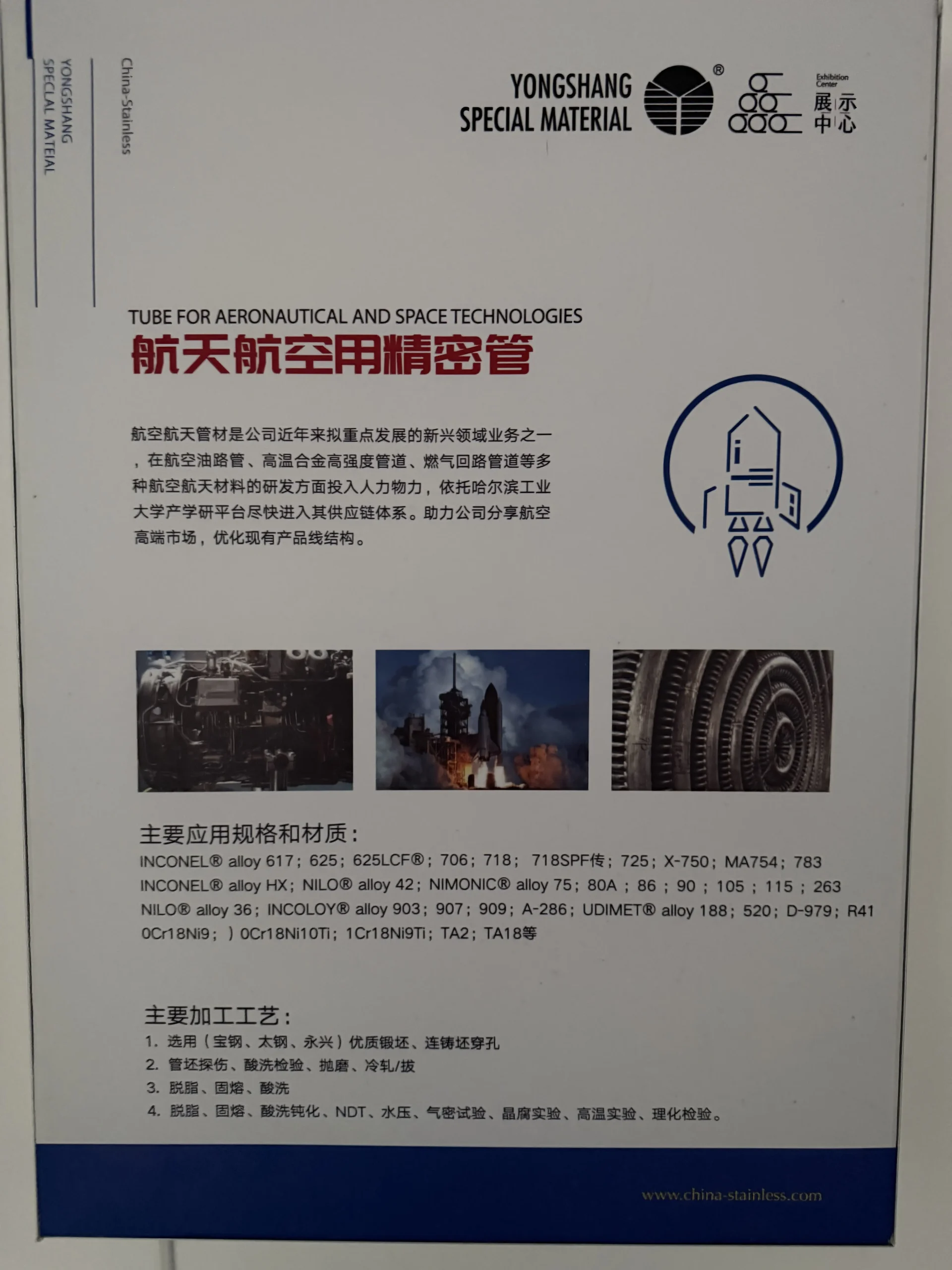
Aerospace tubing is one of the emerging business areas the company has prioritized for development in recent years. We have invested significant human and material resources into the research and development of various aerospace materials,including aviation fuel lines,high-strength high-temperature alloy pipes,and gas circuit pipes.
By leveraging the industry-academia-research platform at Harbin Institute of Technology,we aim to quickly integrate into the supply chain system.This initiative will help the company tap into the high-end aviation market and optimize the structure of our existing product lines.
Stainless Tubings Supplier in china
Applications of Pipes For Aeronautical And Space Technologies
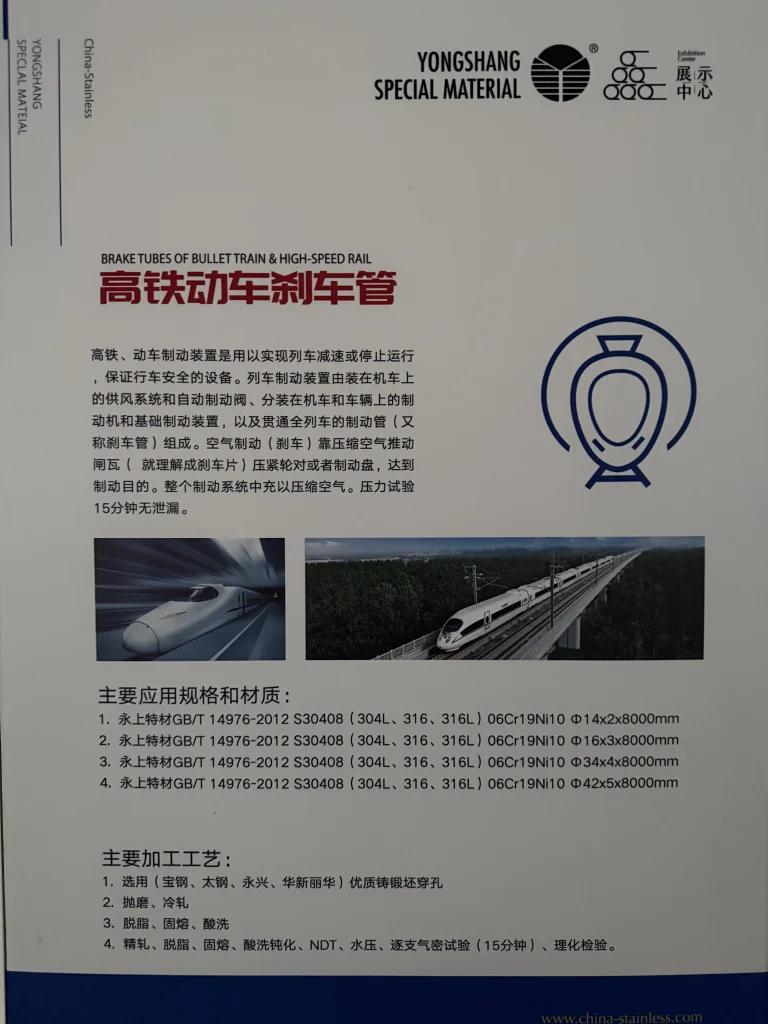
Main Application Specifications and Materials
| Category | Grades | Standards |
| High-Temperature Superalloys | Inconel Alloy 617, 625, 625LCF, 706, 718, 725, X-725, MA754, 783, HX | AMS 5581, AMS 5589, ASTM B444 |
| Low-Expansion & Controlled Alloys | NILO Alloy 36, NILO Alloy 42, Incoloy 903, 907, 909 | AMS 5221, ASTM F30, ASTM B753 |
| Engine & Turbine Performance Alloys | Nimonic 75, 80A, 86, 105, 115, 263, A-286, Udimet 188, 520, D-979, R41 | AMS 5737, AMS 5772, BS HR1 |
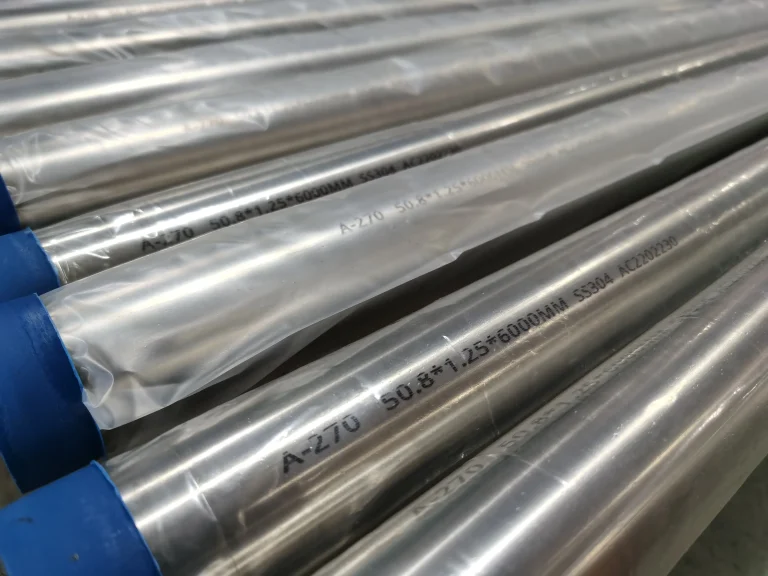
| Aviation Stainless Steels | 0Cr18Ni9, 0Cr18Ni10Ti, 1Cr18Ni9Ti | GB/T 14976, AMS 5570, MIL-T-8808 |
| Lightweight Titanium Alloys | TA2, TA18 | GB/T 3624, GB/T 3625, AMS 4943 |
Manufacturing Process of Pipes For Aeronautical And Space Technologies
What makes aerospace pipes different from commercial plumbing pipes?
Aerospace pipes must survive extreme environmental pressures that residential or industrial plumbing never encounters.They are engineered to handle high vacuums,severe structural vibrations,cosmic radiation,and temperature swings ranging from -253°C to over 1,000°C. Additionally,they require an absolute minimum weight profile combined with a zero-leakage guarantee.
Why is titanium so widely used in aeronautical piping networks?
Titanium alloys offer an exceptional strength-to-weight ratio and excellent corrosion resistance.This allows manufacturers to draw incredibly thin-walled pipes that can safely contain high-pressure hydraulic fluids (up to 5,000 PSI) without adding unnecessary weight to the aircraft,directly optimizing fuel efficiency.
How do passive “heat pipes” work in the vacuum of space?
Since traditional heat convection is impossible in a vacuum,satellites use sealed heat pipes containing a working fluid (like ammonia) and a capillary wick.The fluid vaporizes at the hot electronics end,travels to the cold radiator end to condense,and flows back through the wick. This continuous phase-change loop requires zero electrical power.
write to us
Have a Question?
Contact Us!
Should you have any questions regarding stainless steel pipes, including manufacturing processes, chemical composition or other unfamiliar matters, our staff will be happy to assist you.