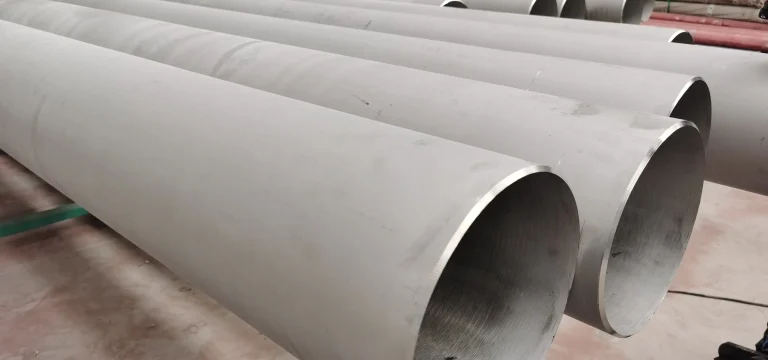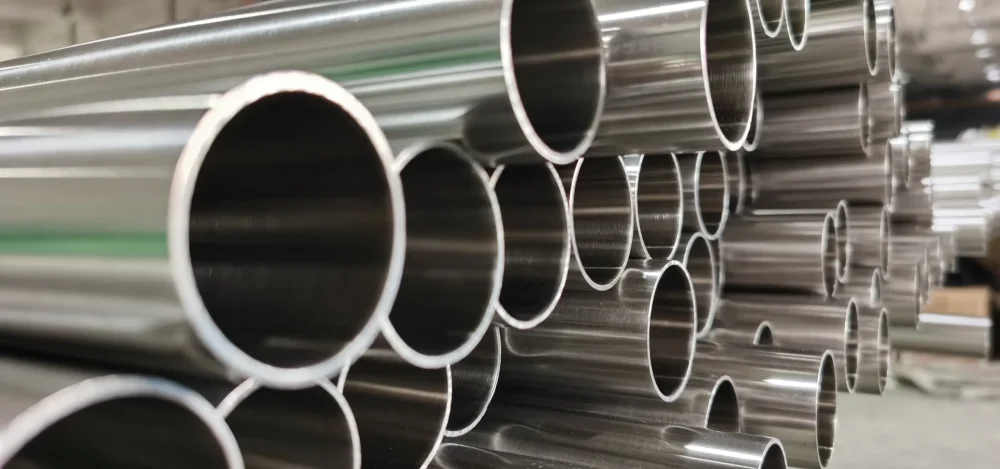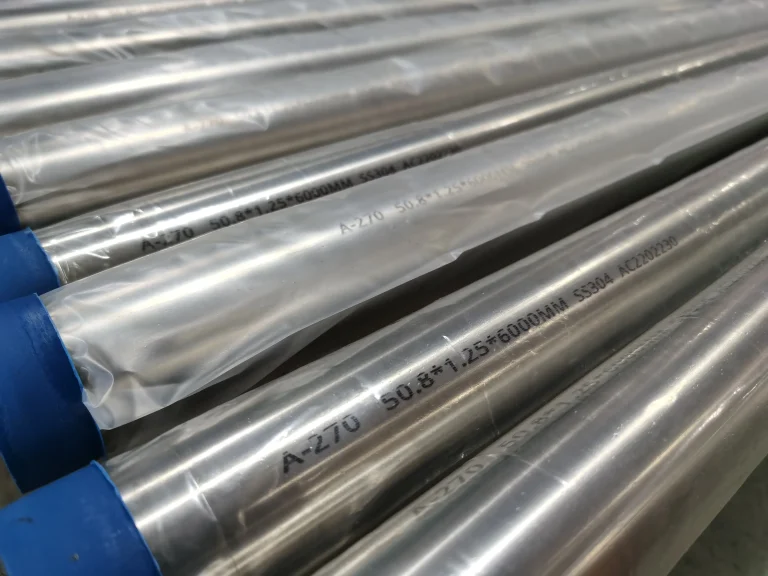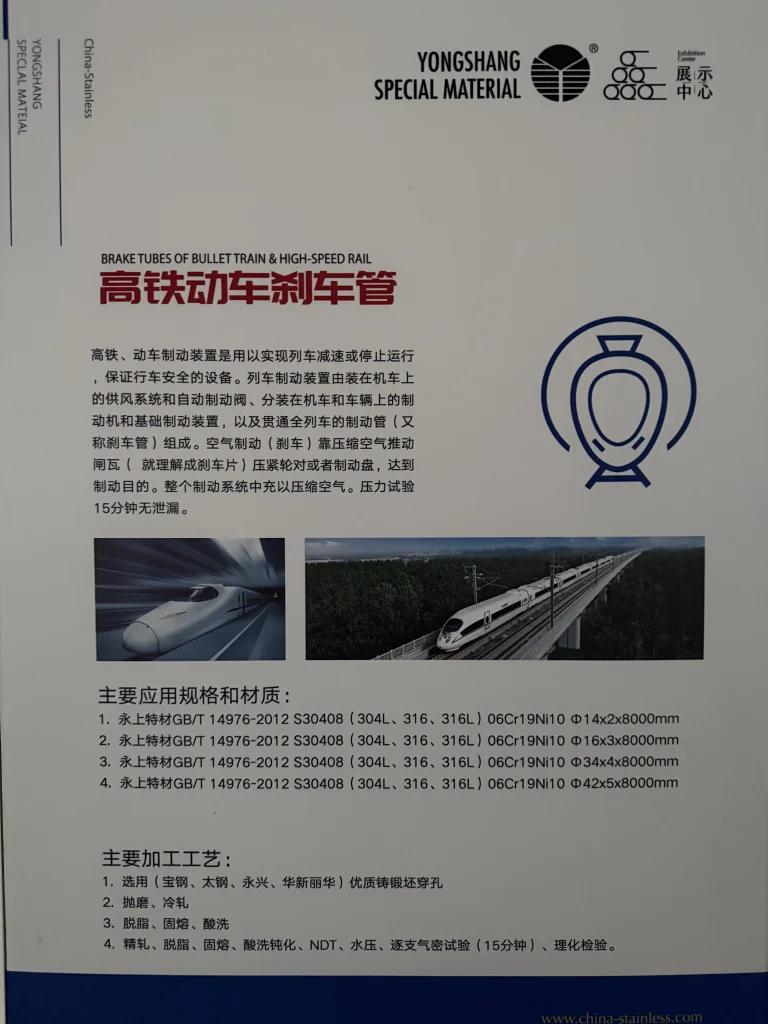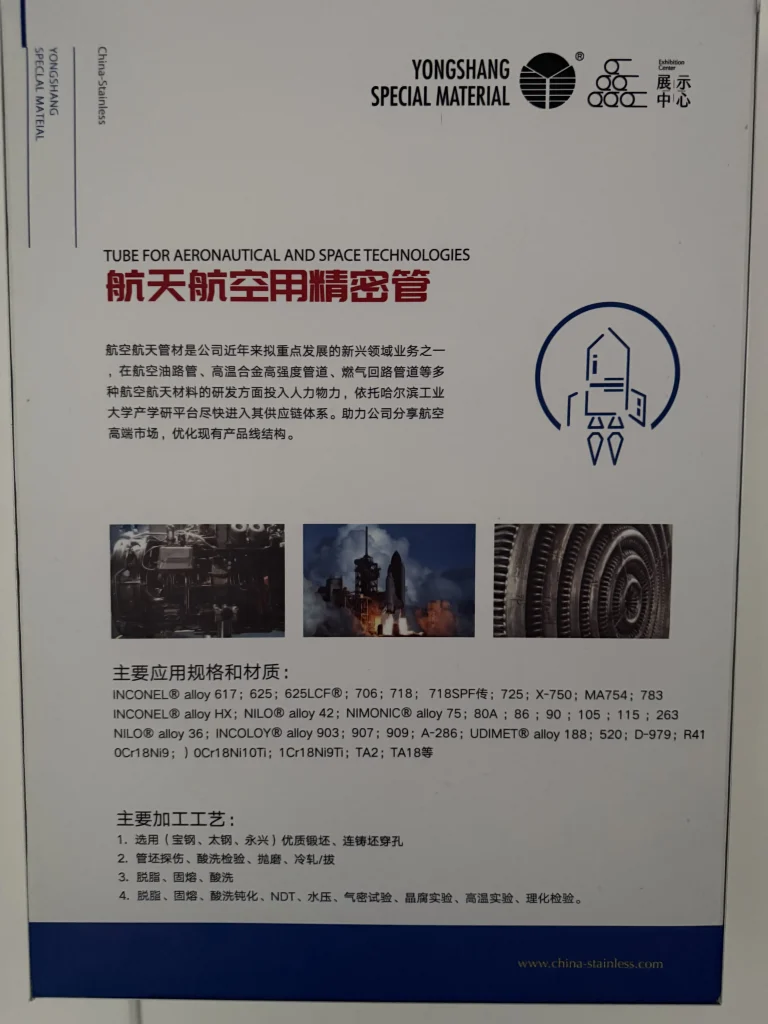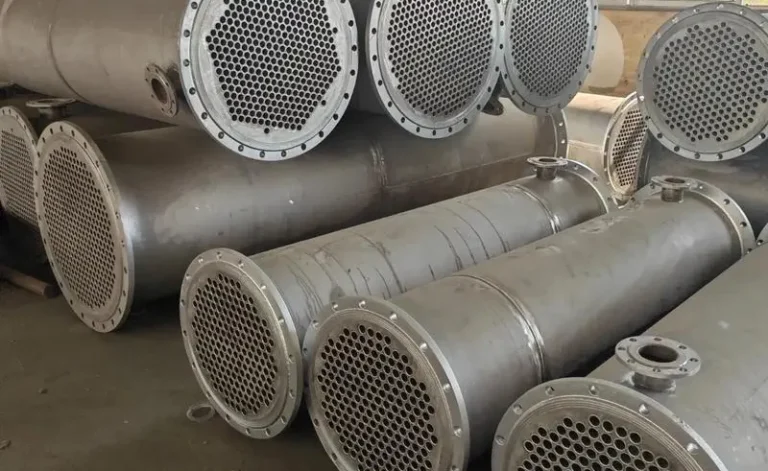
What are Stainless Steel Pipes For Urea
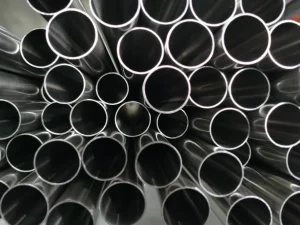
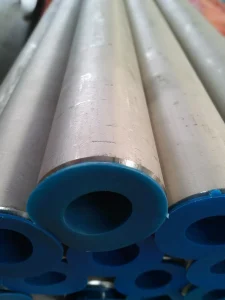
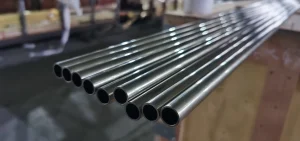
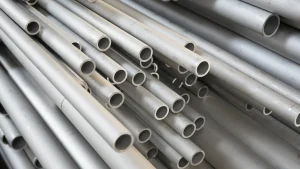
Stainless steel pipes for urea are used in urea production environments where highly corrosive media such as ammonium carbamate are present,and where high temperatures and pressures are common.
Such environments place extremely high demands on the corrosion resistance of stainless steel piping.Conventional 304 or 316L stainless steel is prone to severe intergranular corrosion or selective corrosion under these extreme conditions.
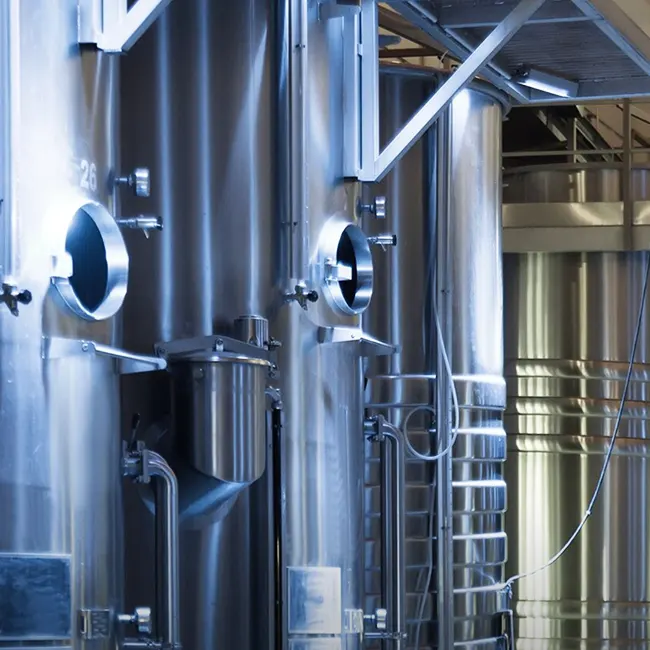
Core Strengths of Stainless Steel Pipes For Urea
Common Standards of Stainless Steel Pipes For Urea
| Critical Standards | Description/Usage |
| ASTM A262 Practice C | The Huey Test;the industry benchmark for urea grade materials.Pipes are tested in boiling 65% nitric acid for five 48-hour periods to evaluate intergranular corrosion resistance. |
| ISO 21459 | The specific international standard for stainless steels for urea production.It defines chemical composition and testing requirements for grades like 316L Mod and 25Cr-22Ni-2Mo. |
| EN 10216-5 | The European standard for seamless stainless steel tubes for pressure purposes,covering urea-specific grades such as 1.4435 (316L Mod) and 1.4466 (25-22-2). |
| ASTM A312 / ASME SA312 | General standards for seamless and welded austenitic pipes,often used as a baseline but supplemented with strict urea grade requirements for chemical purity and microstructure. |
| ASTM E562 | Standard test method for determining volume fraction of Ferrite by systematic manual point count.Used to verify the near-zero ferrite levels required to prevent selective corrosion. |
| ASTM E562 | Standard test method for determining volume fraction of Ferrite by systematic manual point count.Used to verify the near-zero ferrite levels required to prevent selective corrosion. |
Stainless steel pipes for urea production,as a high-end stainless steel material,offer excellent corrosion resistance,high strength,good wear resistance,and superior machinability in various industries such as fertilizer,pharmaceuticals,and food processing.They also ensure the long-term service life of equipment under harsh conditions,including high temperatures,high pressure,and strong acids.
Stainless Tubings Supplier in china
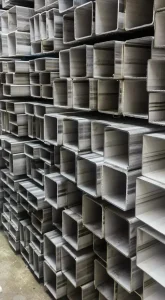
Applications of Stainless Steel Pipes For Urea
Main Application Specifications and Materials
| Category | Grades | Standards | Size Range |
| Austenitic Urea Grade | 316L Mod / 316L UG (1.4435) | GB/T 37578, ASME SA312, EN 10216-5 | Outside Diameter (OD): Φ6 – Φ426 |
| High-Alloy Urea Grade | 022Cr25Ni22Mo2N (1.4466), 31050 / 310MoLN / 725LN | ||
| Special Urea Steels | S31792, S31752, S31053 |
Manufacturing Processes Of Stainless Steel Pipes For Urea
Why can’t standard 316L stainless steel be used directly in the high-pressure section of a urea synthesis plant?
Although 316L is also a corrosion-resistant steel,it contains approximately 2–8% ferrite.In the ammonium hydroxide solutions used in urea production,ferrite undergoes “selective corrosion,” dissolving preferentially in a thread-by-thread manner,which leads to rapid perforation of the piping.Urea-grade 316L Mod reduces ferrite content to near 0% by increasing the nickel content and strictly limiting impurities such as silicon (Si),enabling it to withstand high-pressure conditions.
What is the “Huey Test,” and why is it indispensable?
In accordance with ASTM A262 Practice C,this is the ultimate test for urea-grade materials.
The method involves continuously boiling the sample in 65% nitric acid for approximately 240 hours.
The purpose is to simulate the highly oxidative corrosion conditions found in urea environments.
Urea-grade materials must meet extremely low average corrosion rates (e.g., 316L Mod typically requires < 1.5 μm/48 h);otherwise,they are not permitted for use.
What are the specific welding requirements when installing pipes for urea?
Welding is the most critical step in the production of urea pipes.
First,the welding area must be thoroughly cleaned to prevent contamination by iron ions.
Second,full argon back-shielding must be used to prevent oxidation of the weld on the back side.
Finally,the interpass temperature must be strictly controlled (typically below 150°C) to prevent overheating,which can lead to ferrite re-precipitation or hot cracks.
write to us
Have a Question?
Contact Us!
Should you have any questions regarding stainless steel pipes, including manufacturing processes, chemical composition or other unfamiliar matters, our staff will be happy to assist you.